
Average Value Of Function
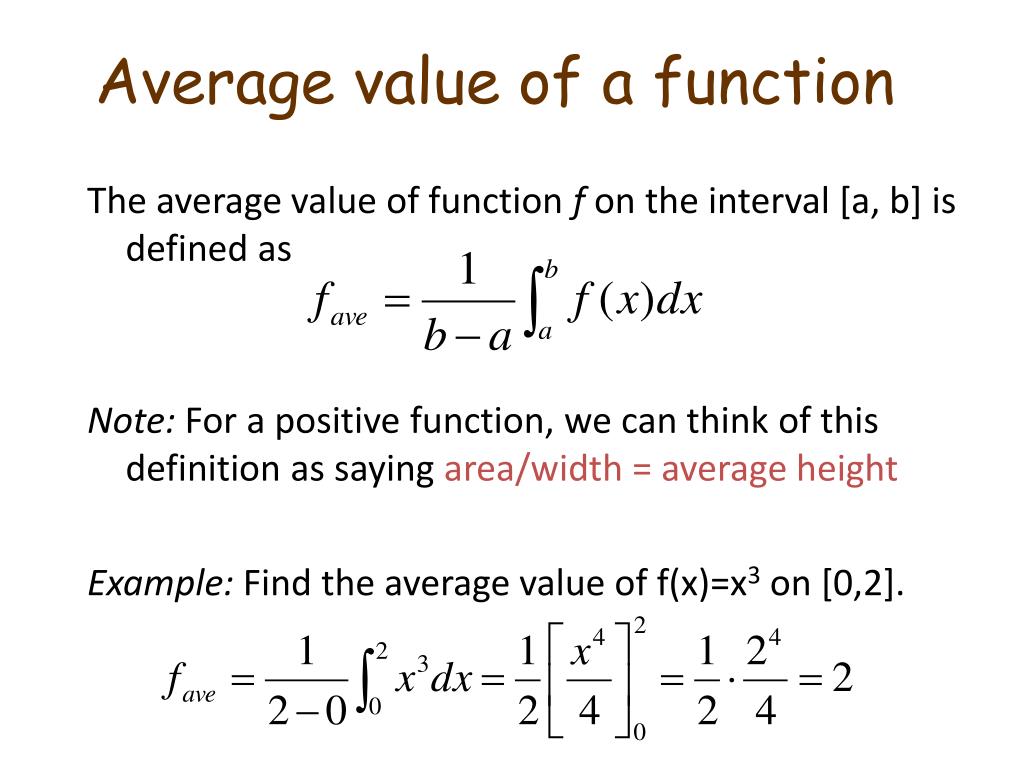
Okay, let's talk about something that sounds way scarier than it is: Average Value of a Function. You're picturing chalkboards, right? Don't. Think of a rollercoaster instead.
Imagine that rollercoaster. It climbs high, dips low, twists around like a pretzel. Now, if you had to pick one height that represents the average height of the entire ride, what would it be?
That, my friend, is the average value of a function in a nutshell. Except, instead of a rollercoaster, it's a math equation. But the principle is the same: find a representative "average" value over a certain range.
Must Read
The Rollercoaster of Life (and Math)
Here's my unpopular opinion: finding the average value of a function is actually... dare I say... fun? Hear me out! It's like detective work. You're trying to find the "typical" value of something that's constantly changing. It’s like figuring out the average temperature in your city last summer. Did you check every second of every day? Nope. You just look at the monthly averages, right?
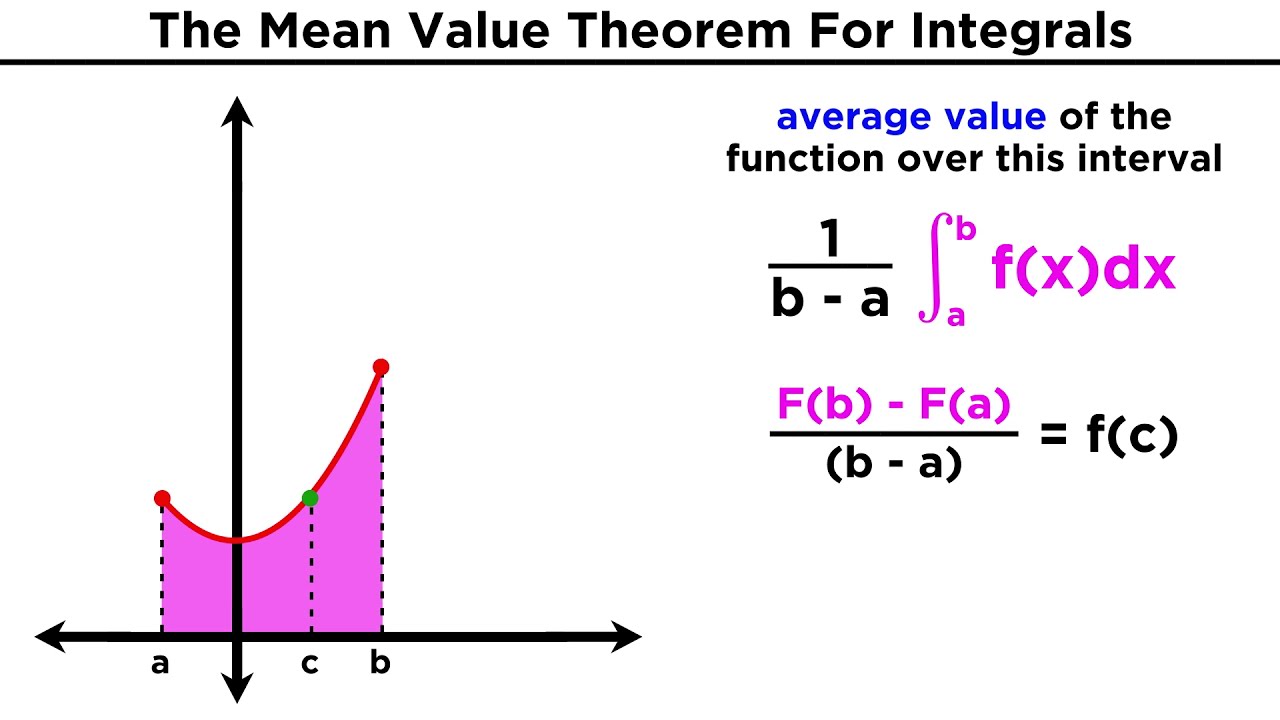
Math does the same thing, but fancier. It uses something called integration, which sounds intimidating, but is really just adding up a bunch of tiny pieces. Think of it as adding up the height of the rollercoaster at every single point along the track, then dividing by the length of the track. Voila! Average height.
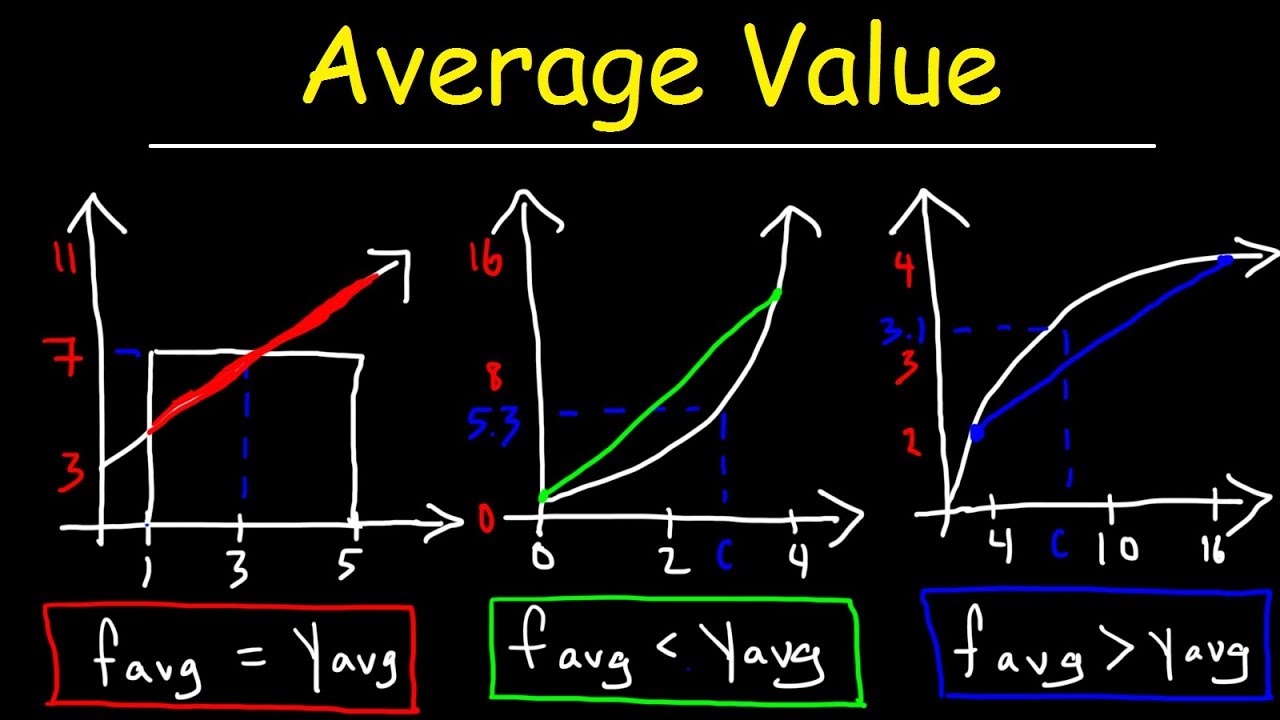
But wait, there's more! This "average" can be surprisingly useful. Think about it. You're not just finding some random number. You're finding a value that summarizes the behavior of a whole function over a specific interval.
When Averages Attack! (Not Really)
Now, I know what you're thinking: "But averages can be misleading!" And you're right. Someone who eats ten hotdogs and then you eat none, the average is five, but it is not accurate to say that is what you ate. If your rollercoaster spends most of its time near the ground, but then has one incredibly high peak, that peak will skew the average.
The same holds true for functions. If your function has a few extreme values, the average value might not be a very good representation of its "typical" behavior. This is why understanding the context is key.

But even with its limitations, the average value of a function can be incredibly handy. Engineers use it to calculate average power consumption. Economists use it to analyze average income. Even cooks might use it to figure out the average temperature of their oven during baking!
Heck, you could even use it to figure out your average mood throughout the day. I bet it would be all over the place for me.

So, What's the Point?
The point is, don't be afraid of the average value of a function. It's not some abstract mathematical monster. It's just a way to summarize the behavior of something that changes over time. It’s a shortcut to understand the big picture, without getting bogged down in all the messy details.
And, dare I say it again, it can actually be... dare I say it again... fun. (Okay, maybe not as fun as riding an actual rollercoaster. But close! Okay, maybe not close. But still… not terrible.)
Besides, knowing how to calculate the average value of a function is a great party trick. Just imagine casually dropping that into conversation. People will be so impressed!
Okay, maybe not. But you'll feel smarter. And that's what really matters, right?
So, embrace the average. It's your friend. Your slightly nerdy, but ultimately helpful friend. Just like your Aunt Mildred, who always knows how to fix your computer, understanding concepts such as average value can be more useful than you imagine.
Maybe even invite the average to your next party. Just don't let it hog the chips and dip.