Average Power Use Per Day
Hey there, coffee buddy! Pull up a chair. Ever stare at your electricity bill and think, "Seriously?! What in the world is sucking up all that juice?" Yeah, me too. It's like a mystery novel, but instead of a detective, we're just... scratching our heads. So, let's chat about something kinda nerdy but also super practical: average power use per day.
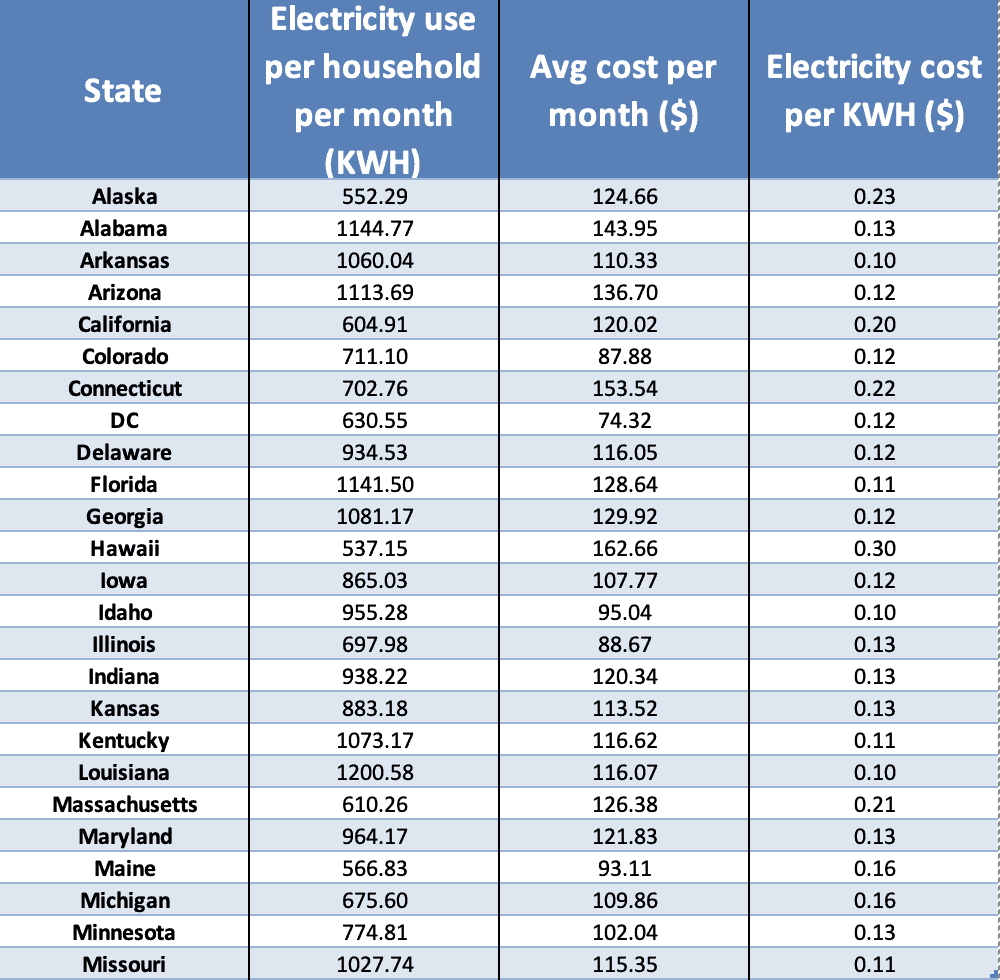
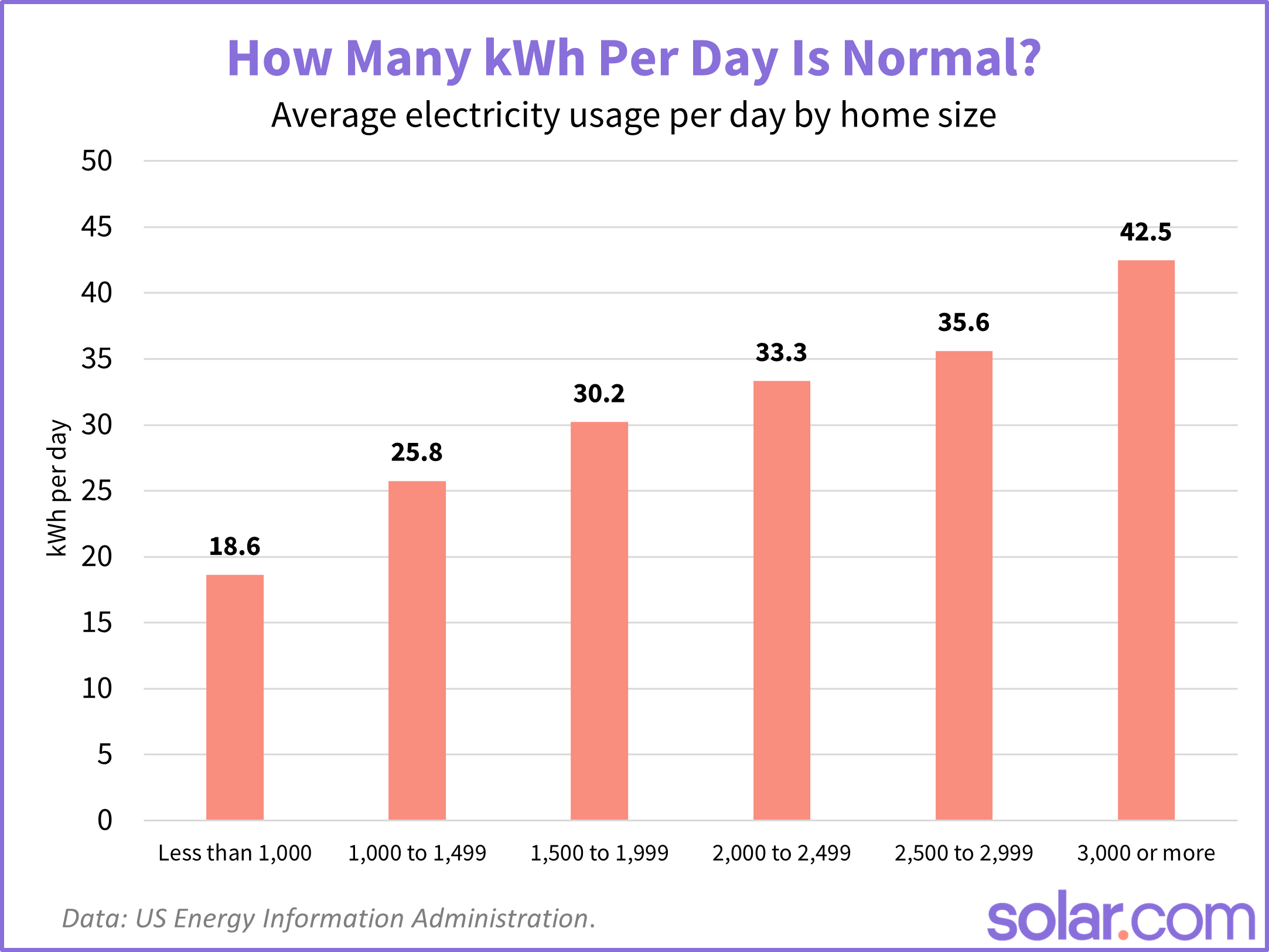
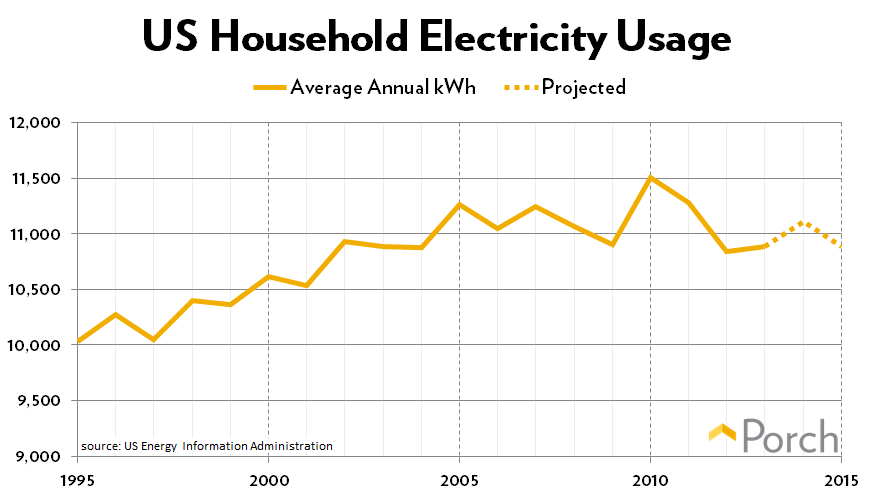
Picture this: You’re living your best life, right? Blasting your tunes, binge-watching that show everyone's talking about, maybe even doing some laundry (go you!). All those little actions add up. And when we talk about "average," we're usually looking at a number around 30 kilowatt-hours (kWh) per day for a typical U.S. household. Thirty! Sounds like a lot, doesn't it? It’s like saying you eat 30 tiny donuts every day. Mmm, donuts.
Who are the big energy hogs in your house?
First up, the usual suspects. Your refrigerator. Bless its cold heart, it’s basically running a marathon 24/7. It's the silent workhorse, always keeping your snacks chilled. Then there are your lights. Especially if you're still rocking those old-school incandescent bulbs – they’re like tiny heaters that also happen to produce light. LEDs? Much cooler, literally!
Must Read
And let's not forget entertainment! Your big-screen TV, that powerful gaming console, your home office setup with multiple monitors. They all need a little sip of electricity to keep the good times rolling. We're not saying ditch the fun, just acknowledge its energy appetite! No judgment here, promise.
But wait, there's more! The things you might not even think about. We're talking about the "vampire loads" or "phantom power." Ooooh, spooky! These are the appliances that are off but still plugged in, subtly draining power. Your phone charger when your phone isn't attached? That TV that's "off" but ready to spring to life with the remote? Your coffee maker displaying the time? Yep, they’re all little energy vampires, having a tiny feast while you're none the wiser. It’s not a huge drain individually, but collectively? They can add up to 10% of your bill! Wild, right?
The true giants: heating and cooling
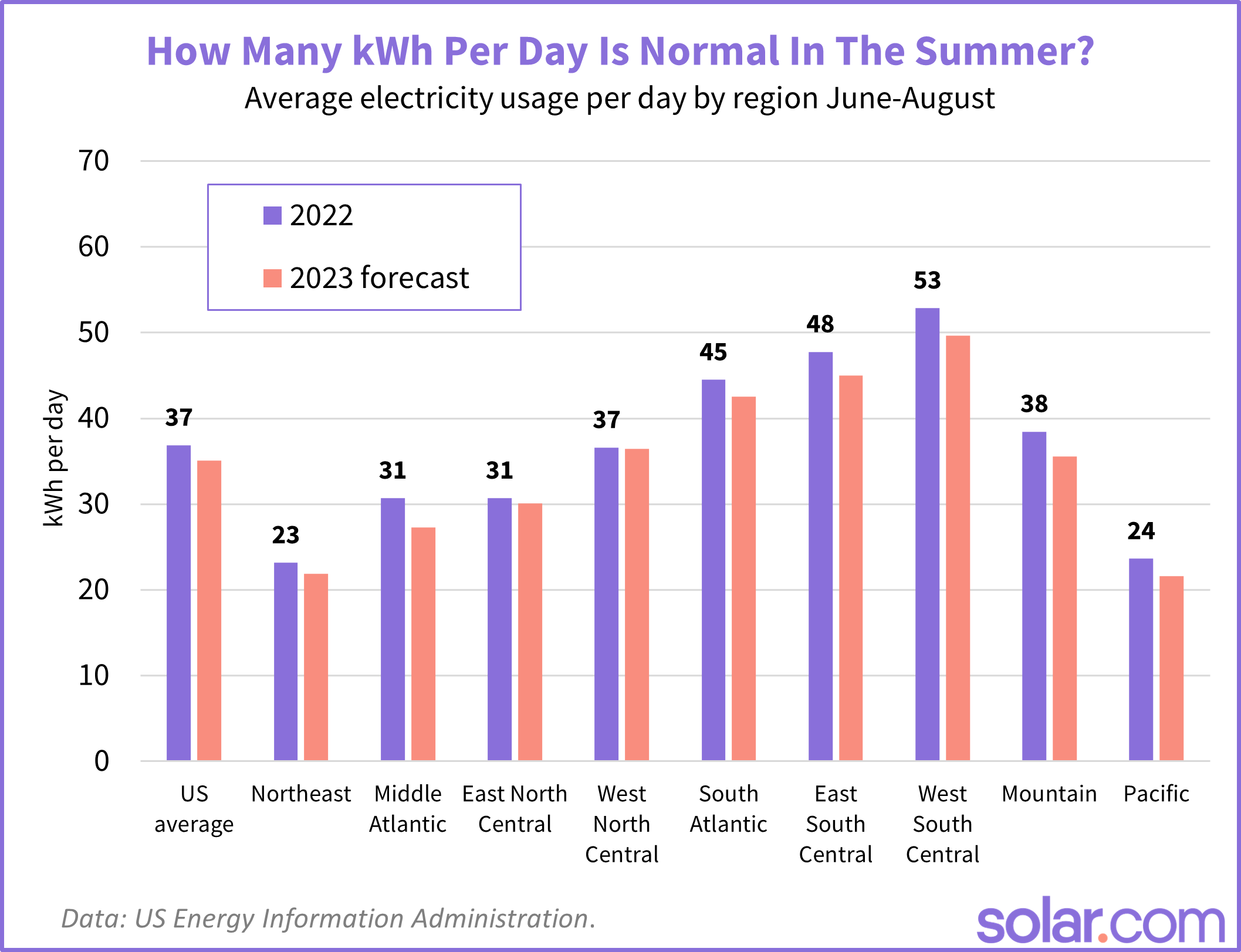
Alright, let’s get real about the heavy hitters. If you have central air conditioning or electric heating, congratulations, you've found the MVP of your electricity bill. These systems can use tons of power to keep you toasty or frosty, depending on the season. Think about it: they're literally changing the temperature of an entire house. That takes some serious oomph!
Your water heater, especially if it's electric, is another biggie. Hot showers? Dishwasher cycles with heated dry? Blissful, yes. Energy-intensive? Absolutely. It’s a trade-off, like eating that third donut – totally worth it sometimes, but you know there’s a cost!

"But my house is different!"
And you're totally right! The "average" is just a starting point. Your daily power use can swing wildly based on a bunch of factors. Do you live in a tiny apartment or a sprawling mansion? Are you a solo act or do you have a bustling family of five? Do you work from home, meaning your lights and computer are on all day? Are you an avid gamer, or do you prefer reading by natural light? All these things play a part. It’s like comparing my single donut to your baker’s dozen; different scales entirely!
The age of your appliances matters too. An old fridge from the 90s could be a total energy monster compared to a sleek, energy-efficient model from today. Same goes for your windows and insulation – old, leaky windows make your AC work overtime, like trying to cool your house with the front door open. (Don’t do that, by the way!)
So, what's the takeaway?
Don't panic! The point isn't to live in the dark and only eat cold cereal. It's just about being a little more aware. A good first step? Take a peek at your own electricity bill. Many providers now show your daily or hourly usage if you have a smart meter. It can be super enlightening, maybe even a little shocking (pun intended!).
Want to lighten your load? Unplug those vampires. Switch to LED bulbs. Be mindful of your thermostat settings (every degree counts!). Maybe even consider a smart power strip for your entertainment center. Little changes can make a surprisingly big difference over time. Think of it as giving your wallet a tiny high-five every day.
Ultimately, understanding your average power use is about empowering you. It’s about knowing where your energy goes so you can make smarter choices, save a few bucks, and maybe even feel a little bit greener. Now, about that second cup of coffee... my kettle needs some juice!