
Average Household Energy Consumption Us
Ever get that feeling when the electric bill lands in your inbox, and you instinctively brace yourself? Like you're about to open a pop quiz on your deepest, darkest energy secrets? Yeah, you're not alone. We all consume energy, but have you ever stopped to think about what the average US household is really doing?
Spoiler alert: it’s probably more than you think. But don't worry, this isn't a lecture. Think of it as a friendly peek behind the energy curtain, spiced with a few chuckles. Because let's be honest, our homes are energy-guzzling little personalities, each with their own quirks.
The Big Hogs: Heating & Cooling
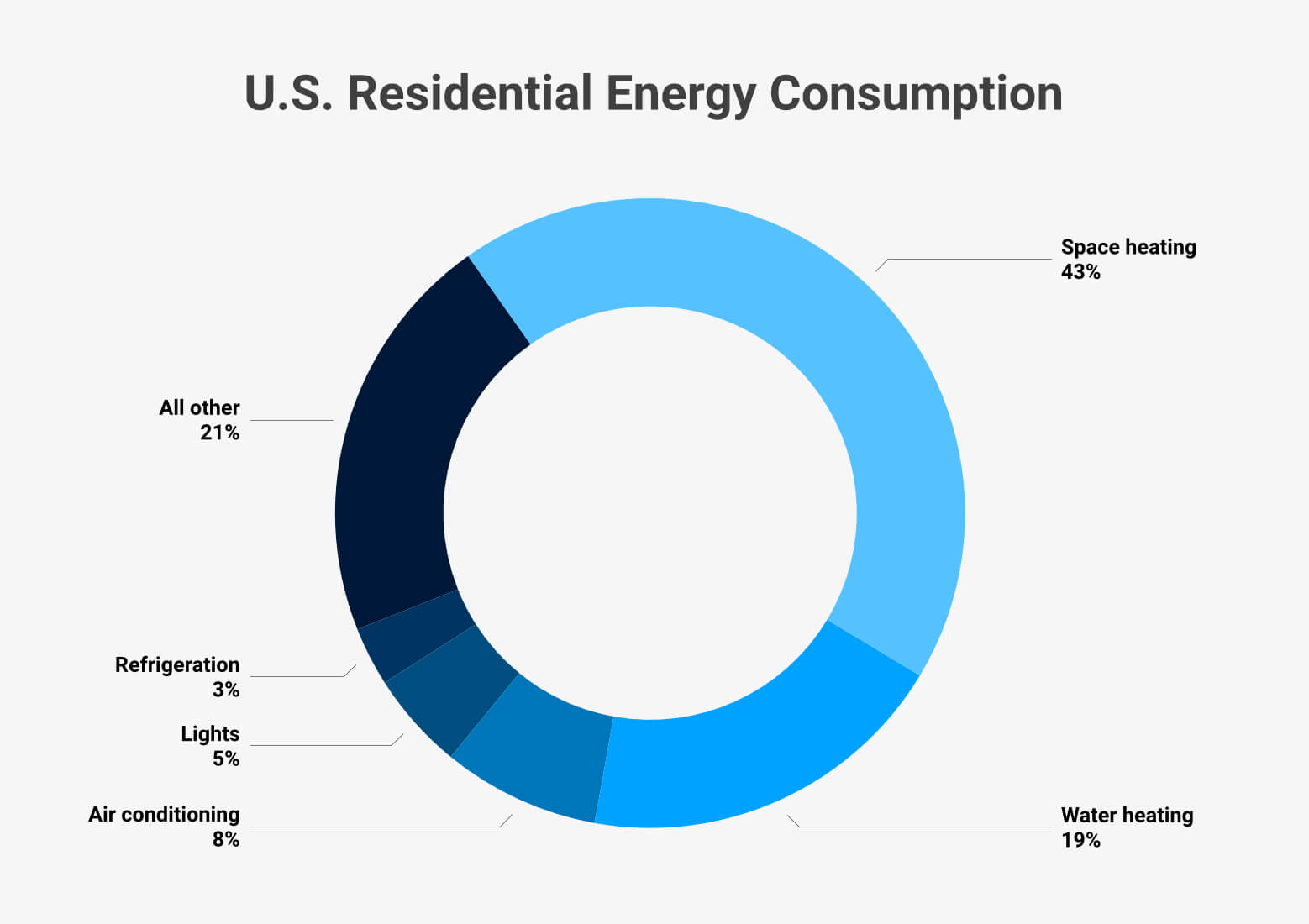
If your home's energy consumption were a pie chart, the slices for heating and cooling would be the ones you'd need two hands to carry. They are, without a doubt, the heavyweights. Imagine your HVAC system as a high-strung, very opinionated celebrity chef. In winter, it's constantly yelling, "More heat! We need more heat!" while in summer, it's frantically fanning itself, "Cooler! We need it cooler!"
Must Read
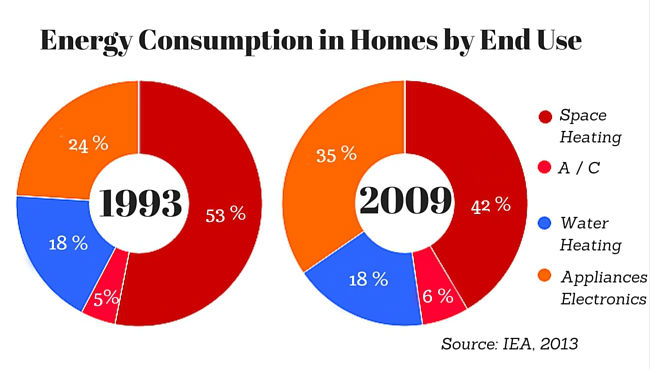
Roughly half of our energy bill often goes to making sure we’re not shivering in July or sweating in January. It's the cost of comfort, folks. And sometimes, that comfort feels like it's sponsored by a small oil empire.
Hot Water: Your Personal Spa's Price Tag
Next up, often holding a solid second place, is your water heater. That glorious, steaming hot shower you just took? Or the dishwasher humming away? Yeah, they’re not running on good vibes alone. Your water heater is essentially a mini-furnace dedicated to making sure your water is toasty warm, often 24/7. It’s like having a dedicated personal assistant whose only job is to heat water, even when you’re not using it.

It's an unsung hero of daily comfort, but also a stealthy energy muncher. Think of it as the friendly neighbor who borrows sugar constantly – you don't mind, but eventually, you notice the empty bag.
Appliances & Electronics: The Silent Power Party
Beyond the temperature titans, we have our army of appliances and gadgets. Your refrigerator, bless its humming heart, is always on duty. It’s the loyal guard dog of your leftovers, but it’s also constantly drawing power. Then there are the laundry machines, cooking appliances, and that fancy coffee maker that just had to have a digital display.
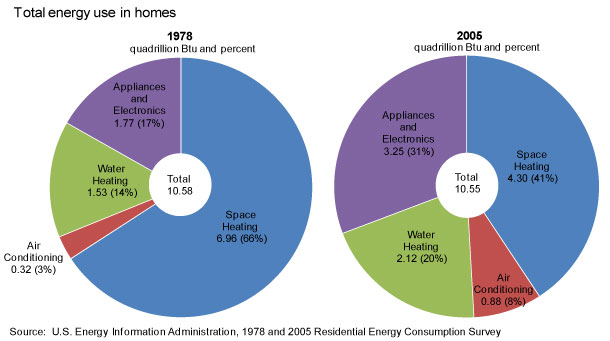
And let's not forget the electronics! TVs, computers, gaming consoles, phone chargers... they all contribute. It's like your living room is hosting a permanent, low-key power party, and you're footing the bill. Each device, small as it may seem, adds up faster than you can say "Netflix binge."
The Phantom Drain: Energy Vampires Among Us
This is where things get spooky. Even when off, many of our electronics are still sucking down tiny bits of energy. We're talking about the "phantom load" or "vampire drain." Those little red standby lights on your TV? The charger plugged into the wall even when your phone isn't attached? They're like tiny energy vampires, just sipping away at your power, 24/7.
It’s not a huge chunk, but it's like a thousand tiny paper cuts on your energy bill. Collectively, these sneaky energy siphons can account for 5-10% of your household's electricity use. It’s the energy equivalent of that friend who always "forgets" their wallet.
Lighting: A Brighter (and Cheaper) Future
Once upon a time, lighting was a significant energy hog. Remember those old incandescent bulbs that got so hot you could practically cook an egg on them? Thankfully, with the rise of energy-efficient LEDs, lighting has become a much smaller player in the grand scheme of the average US household's energy consumption. It's gone from a spotlight steal to more of a cameo role.
Switching to LEDs is one of those rare things that makes you feel both responsible and savvy. Like finding a twenty-dollar bill in an old jacket pocket.
So, What's the Takeaway?
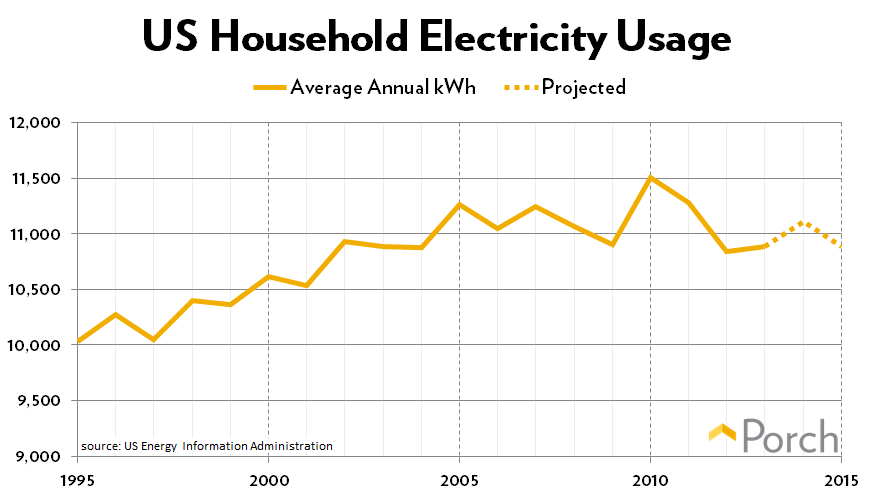
The average US household churns through a fair bit of energy, largely driven by making our homes comfortable and powering our increasingly connected lives. From the colossal needs of heating and cooling to the subtle sips of our phantom loads, it all adds up.
Knowing this isn't about guilt-tripping; it's about awareness. It’s about realizing that sometimes, just nudging the thermostat a degree or two, or actually unplugging that phone charger, can make a difference. It's like finding small ways to save money, without giving up your favorite coffee. You don't have to live in a cave, but maybe you can teach your home to be a little less of an energy diva. And hey, your wallet might just give you a high-five.