
Average Energy Consumption Of A Refrigerator

Let's talk refrigerators! Now, I know what you're thinking: "Refrigerators? Fun?" But stick with me! We all have one (or maybe even two!), and they're silently humming away, keeping our food fresh and our drinks cold. But how much energy are these tireless workhorses actually using? Understanding your refrigerator's energy consumption is not only interesting, but it can also save you money and help the environment. Who doesn't want that?
Think of your refrigerator as the unsung hero of your kitchen. Its primary purpose is, of course, to maintain a low temperature to inhibit the growth of bacteria and keep your food safe to eat. This extends the shelf life of everything from that leftover pizza to your favorite fruits and vegetables. A good refrigerator prevents food spoilage, reduces waste, and ensures you always have a refreshing beverage ready. Pretty essential, right?
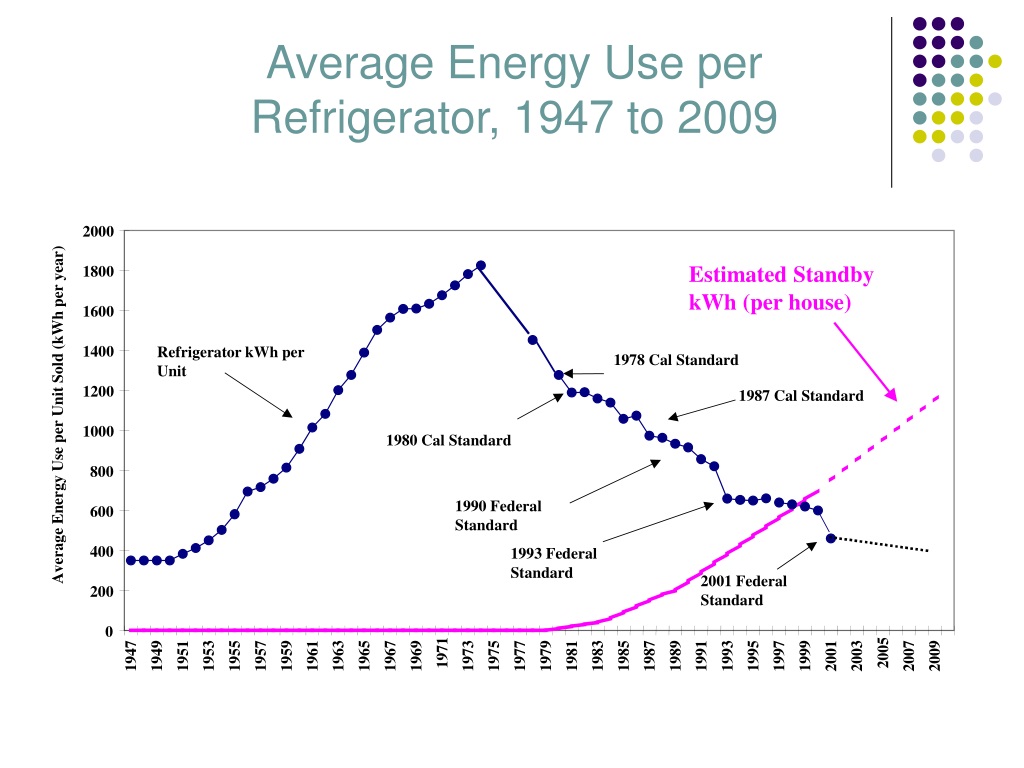
So, how much juice does this kitchen companion slurp up? The average refrigerator uses around 300 to 700 kilowatt-hours (kWh) per year. That sounds like a lot, but let's break it down. The actual amount depends on several factors, including the refrigerator's size, age, and efficiency rating. Older models, especially those built before the 1990s, tend to be significantly less energy-efficient than newer ones. Larger refrigerators, naturally, use more energy than smaller ones.
Must Read
Energy Star certified refrigerators are designed to be more energy-efficient, often using significantly less energy than non-certified models. Look for the Energy Star label when purchasing a new refrigerator. These appliances meet strict energy-efficiency guidelines set by the U.S. Environmental Protection Agency (EPA), saving you money on your electricity bill and reducing your carbon footprint.
But it's not just about buying a new refrigerator. There are things you can do to improve the efficiency of your existing fridge. First, make sure the door seals are tight. Test them by closing the door on a piece of paper. If you can easily pull the paper out, the seals need to be replaced. Second, keep the refrigerator coils clean. Dust and debris can reduce efficiency. Third, avoid overpacking the refrigerator, which can restrict airflow and make it work harder. Fourth, don't keep the temperature too cold. The ideal temperature for a refrigerator is between 37°F (3°C) and 40°F (4°C). Finally, avoid placing your refrigerator near heat sources like ovens or direct sunlight.
Understanding your refrigerator's energy consumption is a simple but effective way to be more mindful of your energy use and potentially save some money. By making smart choices about the type of refrigerator you buy and how you use it, you can keep your food fresh while also being kind to your wallet and the planet. So, next time you open your refrigerator, take a moment to appreciate its tireless efforts and consider how you can help it do its job more efficiently!


