Average Energy Consumption 1 Bedroom Apartment

Ever get that utility bill in the mail and wonder, "What exactly am I paying for?" If you live in a 1-bedroom apartment, you're not alone! It's a common mystery, but unlocking the secrets of your energy consumption can actually be quite a lot of fun. Think of it as gaining a new superpower: the ability to understand, control, and even reduce your monthly expenses. It’s not just about saving a few bucks; it’s about feeling empowered, making smarter choices, and even doing a little something good for the planet. Who knew your electricity bill could be so exciting?
The main purpose of understanding your 1-bedroom apartment’s average energy consumption is simple: it gives you a crucial benchmark. Without knowing what's typical, how can you tell if your bill is sky-high or surprisingly low? This knowledge offers immense benefits, from helping you budget more effectively to identifying potential energy vampires lurking in your home. It allows you to become a proactive participant in your energy usage, rather than just a passive payer of bills. You’ll be able to spot inefficiencies, make informed decisions about appliance upgrades, and implement easy habits that translate into real savings. It’s all about putting you in the driver’s seat of your own energy story.
So, let's get down to the numbers! While energy consumption can vary greatly depending on factors like your climate, insulation, and lifestyle, a typical 1-bedroom apartment in the U.S. might use anywhere from 500 to 750 kilowatt-hours (kWh) per month. This is just an average, of course! But what's eating up all that energy? The biggest culprits are usually the ones you rely on most.
Must Read
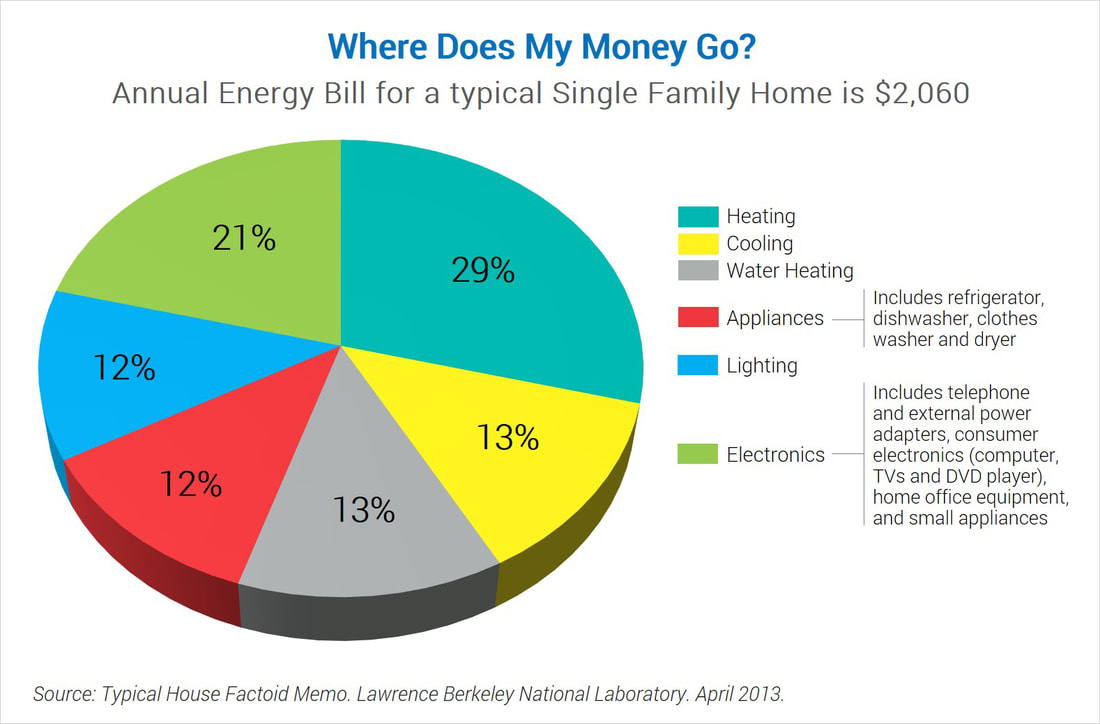
Your heating and cooling system (HVAC) is often the champion energy consumer, accounting for a massive 40-50% of your bill, especially during peak seasons. After that, your water heater usually comes in second, using about 15-20% of your total energy. Think about all those hot showers and dishwashing sessions! Your ever-faithful refrigerator quietly hums along, typically consuming around 5-10%. The remaining percentage is usually spread across your lighting, laundry appliances (if you have them in-unit), and all your electronics – from your TV and laptop to your phone charger. That small, consistent drain from devices even when they're turned off is often called "phantom load" or "vampire energy," and it can surprisingly add up!

Knowing these averages is your first step. Now, you can become an energy detective! If your bill consistently soars above the typical 750 kWh mark, it might be time to investigate. Are you leaving lights on unnecessarily? Is your thermostat set to an extreme temperature? Could your older appliances be less efficient? Small changes like switching to LED light bulbs, unplugging unused electronics, or investing in a smart thermostat can make a significant difference. Even sealing drafty windows and doors can shave off precious kWh, putting more money back into your pocket.
Ultimately, understanding your 1-bedroom apartment's energy footprint isn't just about the numbers on a bill. It's about gaining awareness, making conscious choices, and ultimately enjoying a more comfortable and cost-efficient living space. So go ahead, peek at that meter, and empower yourself with the knowledge to make your apartment's energy usage work smarter, not harder!