
At The Cross Her Station Keeping Sheet Music
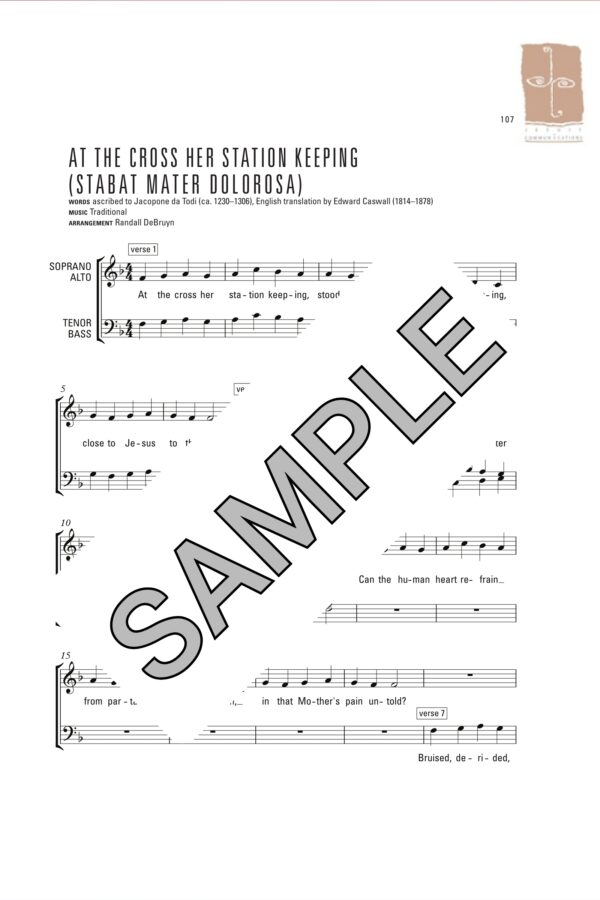
Ever sung “At the Cross”? You know, that powerful hymn about Jesus and, well, the cross? Chances are, you’ve been carried away by its message of redemption. But have you ever stopped to think about the unsung hero behind its smooth sailing? That's right, I'm talking about the station keeping.
No, I'm not talking about a train station. In music, station keeping is all about keeping everyone together, on time, and on pitch. It's the musical glue holding the whole thing together. And it's surprisingly funny when you think about all that effort going into a seemingly simple song.
The Unsung Hero of Hymns
Imagine a choir singing "At the Cross." Sopranos soaring, basses booming, altos… well, alting. What keeps them from going rogue and turning the hymn into a cacophony of off-key notes and rhythmic chaos? Station keeping does!
Must Read
Think of it like this: it's the musical equivalent of a kindergarten teacher trying to keep a room full of sugar-fueled kids in line. Except, instead of juice boxes and crayons, we're dealing with melodies and harmonies.
And that's where the sheet music comes in.
Deciphering the Dots: Not as Scary as It Looks
Sheet music can look intimidating. All those black dots, lines, and squiggles can seem like a secret code only understood by musical geniuses. But really, it's just a map. A musical roadmap, guiding singers and musicians on their journey through the song.
For "At the Cross," the sheet music provides crucial clues about tempo, dynamics (how loud or soft to sing), and of course, the notes themselves. It's the instruction manual for a hymn that has touched countless hearts.
And within that sheet music, the station keeping elements are subtly present.

Spotting the Station Keeping Secrets
Look closely at the sheet music. You might see things like time signatures (telling you how many beats are in each measure). Or key signatures (indicating which notes are sharp or flat). These are all tools for station keeping.
Consider the tempo marking. If it says "Andante" (walking pace), everyone needs to walk together musically. No one should be sprinting while others are strolling! That would throw the whole thing off.
Then there's the dynamics. A crescendo (gradually getting louder) needs to be a coordinated effort. Otherwise, you'll have one section blasting while another is still whispering, creating a very lopsided sound.
Humor in Harmony: When Station Keeping Goes Wrong
Now, imagine what happens when station keeping goes awry. A singer accidentally skips a line. The pianist gets a little too enthusiastic with the tempo. Suddenly, the hymn is veering off course like a runaway shopping cart.
Maybe the bass section decides to add a little extra "oomph" that wasn't in the original arrangement. Or the sopranos get a bit too excited and reach for notes that are strictly off-limits. It's musical mayhem!
But that's also where the humor comes in. We've all been there, whether in a choir, a band, or even just singing along in church. Moments of musical mishaps that make you chuckle, even as you try to get back on track.
The Conductor's Secret Weapon
Of course, there's one person who's usually at the forefront of station keeping: the conductor. The maestro with the baton, wielding their musical power to keep everyone in line.
They're like the air traffic controller of the musical world, guiding the different sections and instruments through the hymn's sonic landscape. They cue entrances, shape phrases, and generally make sure that everyone is playing from the same (sheet) music.
A good conductor can make even the trickiest station keeping seem effortless. But behind the scenes, there's a lot of hard work, careful listening, and maybe a few frantic hand gestures to keep everyone together.
The Heartwarming Harmony: Why Station Keeping Matters
But station keeping isn't just about avoiding musical train wrecks. It's about creating something beautiful and moving. When everyone is in sync, both musically and emotionally, the hymn truly comes to life.

Think about the power of a well-sung "At the Cross." The message of hope and redemption resonating through the congregation. The feeling of unity and connection as everyone sings together.
That's the heartwarming payoff of all that careful station keeping. It's the reason why musicians and singers put in the time and effort to master their craft.
More Than Just Notes: A Shared Experience
Station keeping transforms a collection of individual notes into a shared experience. It allows musicians to communicate with each other, and with the audience, on a deeper level.
It's about listening, responding, and working together to create something greater than the sum of its parts. It's about honoring the music and the message it carries.
And that's why, even though it might seem like a technical detail, station keeping is actually at the heart of what makes "At the Cross" such a beloved and enduring hymn.

So, Next Time You Sing "At the Cross..."
Take a moment to appreciate the station keeping behind the scenes. Think about all the effort that goes into making the music sound effortless. Give a nod to the conductor, the singers, and the musicians who work tirelessly to keep everything on track.
And remember, even if there are a few minor hiccups along the way, that's okay too. Because music is about more than just perfection. It's about connection, expression, and sharing something beautiful with the world.
So, sing your heart out. Embrace the joy of making music together. And don't forget to smile, even when the station keeping gets a little… interesting.
From Sheet Music to Soul Music
Ultimately, the goal of station keeping isn't just to follow the sheet music perfectly. It's to use the music as a vehicle for something deeper. To connect with the message of the hymn on a personal level.
To let the music speak to your soul. To find meaning and comfort in the shared experience of singing together. That's when "At the Cross" transcends its technical details and becomes something truly special.
And that's a beautiful thing, wouldn't you agree? So next time, let's all give a shoutout to the station keepers, the unsung heroes who help bring the music to life, one perfectly timed note at a time. "At the Cross" – it's more than just a song, it's a testament to the power of collaboration, dedication, and a little bit of musical magic!