
Are There Mitochondria In Plant Cells

Ever wonder about the tiny powerhouses buzzing inside living things? I'm talking about mitochondria! These little dynamos are famous for generating energy.
We usually think of them in animal cells. But what about plants? Do those leafy green wonders need the same energy boost?
The Mitochondrial Mystery: Plants Included!
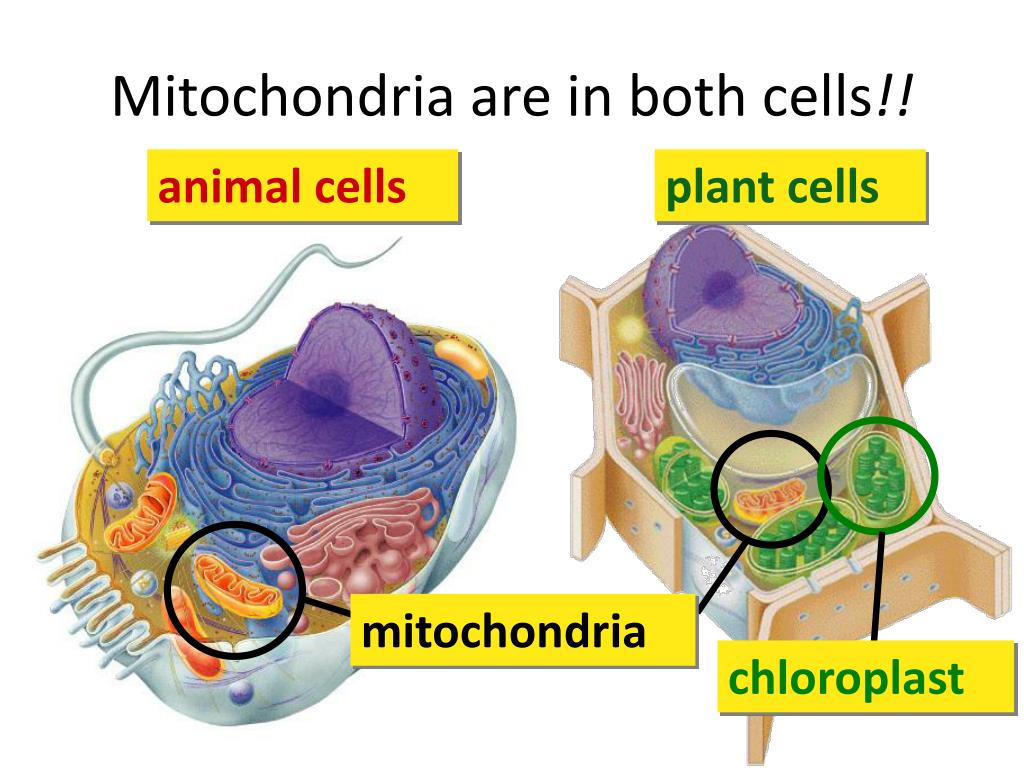
Drumroll, please! The answer is a resounding yes! Plant cells absolutely have mitochondria. It might surprise you, but it's true.
Must Read
It's easy to think plants only need sunlight for energy. Photosynthesis is their superpower, of course. But photosynthesis isn't the whole story, is it?
Think of it this way: photosynthesis is like a solar panel. It converts sunlight into sugar. But that sugar needs to be usable energy for the plant to actually live.
Why Plants Need More Than Sunlight
Plants use that sugar for everything! From growing roots to blooming flowers. It even fuels their defense against hungry bugs!
That's where mitochondria come in. They're the cellular chefs, converting sugar into energy the plant can actually use. It's kinda like a tiny internal combustion engine.

So, without mitochondria, plants would be stuck! They'd have sugar, but no way to power their lives.
The Double Life of Plant Cells
Here's where it gets even more interesting. Plant cells are like superheroes with two awesome powers. They have chloroplasts for photosynthesis and mitochondria for energy conversion. Talk about a dynamic duo!
Chloroplasts, are the organelles responsible for photosynthesis. They're the reason plants are green!
This combo makes them incredibly self-sufficient. Animals, on the other hand, rely on plants (or other animals) for their sugar. Plants make their own and process it!
A Symbiotic Story: The Origin of the Powerhouses
Scientists believe that mitochondria and chloroplasts were once free-living bacteria. Over billions of years, they formed a partnership with early cells. It's like the ultimate roommate situation!
This process is called endosymbiosis. Imagine a cell swallowing a bacterium and instead of eating it, it keeps it around for its amazing energy-producing skills. How cool is that?
This partnership was so successful. It laid the foundation for all complex life on Earth, including us!
More Than Just Energy: Mitochondria's Secret Life
Mitochondria aren't just about energy. They play other vital roles in plant cells. They're involved in things like cell signaling and programmed cell death.

Programmed cell death might sound grim. But it's essential for healthy plant development. It's like pruning a rose bush to encourage new growth.
Mitochondria are true multi-taskers! They're not just energy factories, they are cellular Swiss Army knives.
Why This Matters To You
Understanding mitochondria in plants might seem like a niche topic. But it's relevant to so much! Think agriculture, climate change, and even medicine.
By studying how plant mitochondria work. We can develop crops that are more resilient and productive. We can also better understand plant responses to environmental stress.

Ultimately, this knowledge helps us ensure a more sustainable future. That future involves our food source, making plants a super important part of the process.
Dive Deeper into the Microscopic World
So, the next time you see a plant, remember the amazing things happening inside its cells. It's all these things we can't see that makes plants, and all living things, so fascinating.
Mitochondria are just one piece of the puzzle, of course. The more we learn about these little organelles, the more we appreciate the complexity and beauty of life.
Ready to explore more? Grab a biology textbook. Search online for amazing images. The world of cellular biology is waiting!