
Are There Any Nuclear Power Plants In The Us
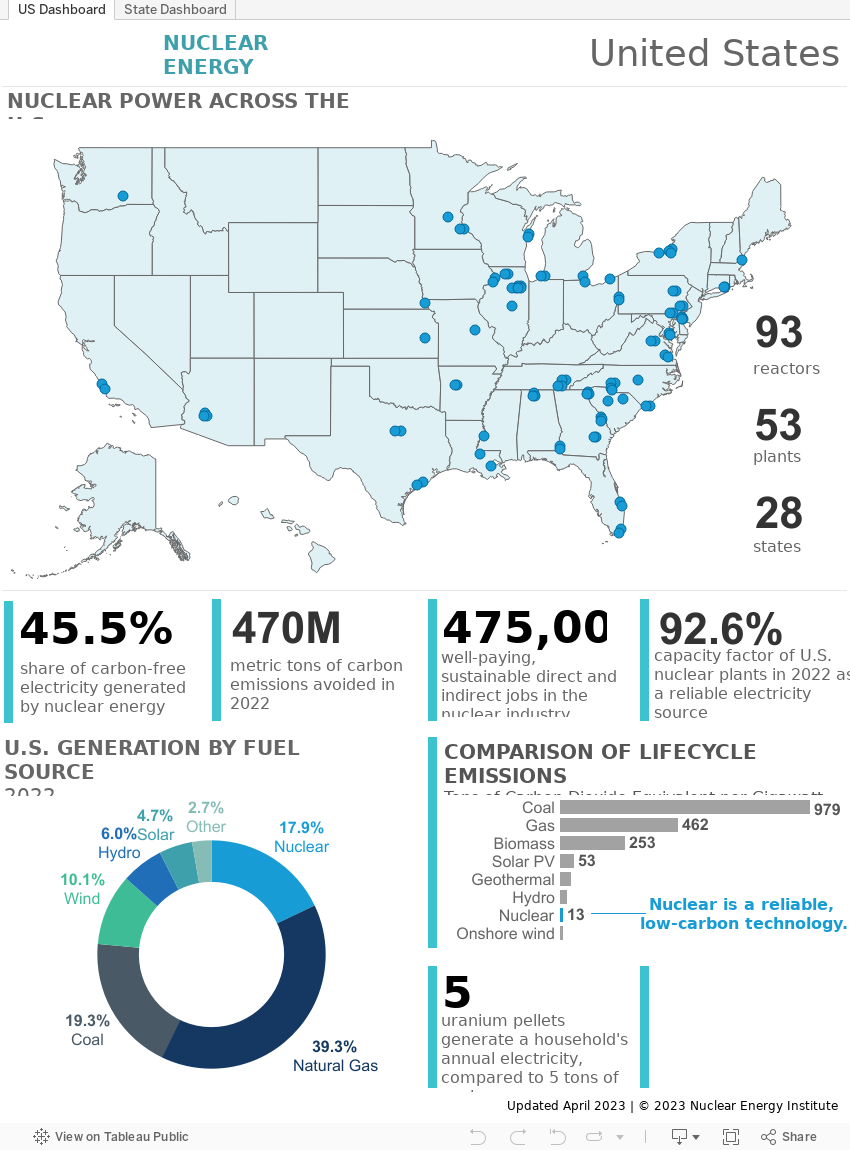
Alright, settle in, grab your imaginary latte, because we're about to tackle a question that probably pops into your head roughly as often as you remember where you left your car keys: Are there any nuclear power plants in the US?
And before your brain conjures images of three-eyed fish swimming in rivers or a certain cartoon character with a penchant for donuts and dangerously exposed control rods, let me just give you the spoiler right upfront:
YES. Oh my goodness, YES!
Must Read
Surprised? Don't worry, you're not alone. For some reason, nuclear power in the US feels like this big, spooky secret, whispered about only in dark corners by conspiracy theorists and maybe that one eccentric uncle who thinks squirrels are government drones. But the truth is, they're out there, humming away, generating a significant chunk of our electricity. Probably even powering the device you're reading this on right now. Mind. Blown.
"But I thought... Homer Simpson?!"
I know, I know. Our collective understanding of nuclear power has been largely shaped by pop culture, which often portrays it as a bubbling cauldron of green goo just waiting for a catastrophic meltdown. We've got movies where monsters are born from atomic radiation, and TV shows where the guy in charge is, well, not exactly a Rhodes Scholar.
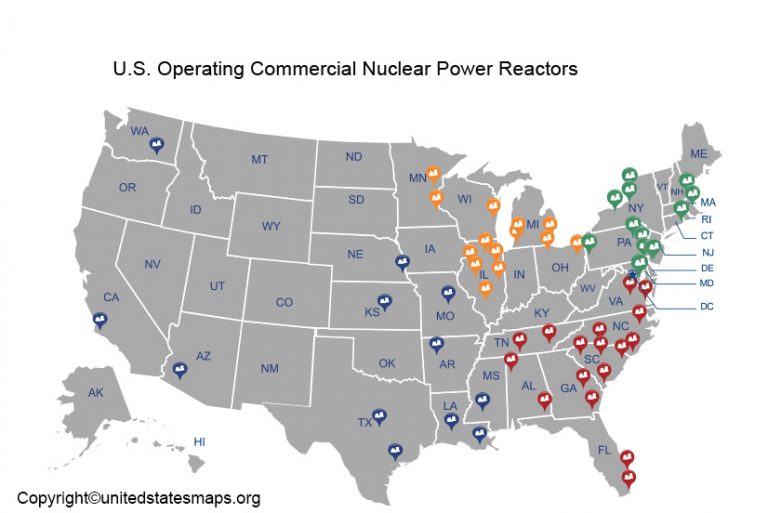
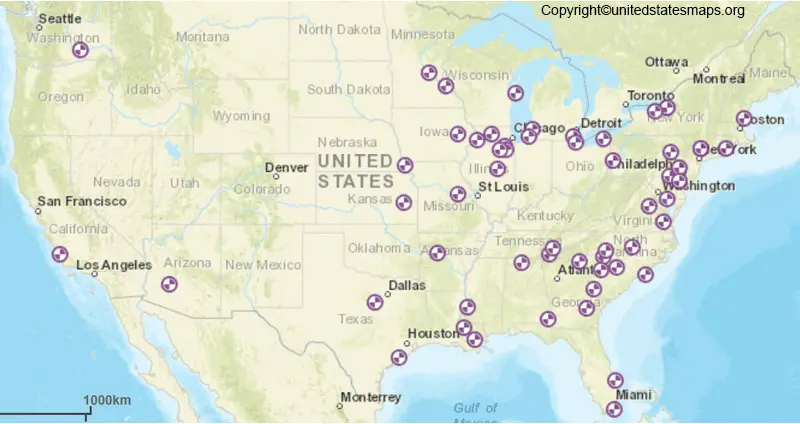
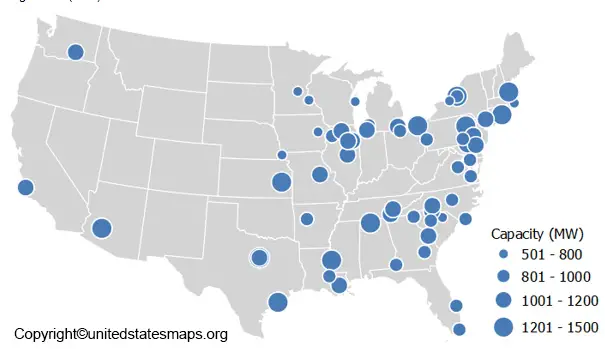
But here’s the reality check: the US currently has about 92 operational nuclear reactors spread across 28 different states. That's right, almost 100 giant, highly sophisticated, intensely regulated power stations silently keeping the lights on. They're not hidden in some secret underground lair guarded by lasers and a Bond villain; they're usually just... there. Often by a large body of water because, you know, they need a lot of cooling.
So, What Do These Things Actually Do?
Forget the science fiction. At its heart, a nuclear power plant is really just a super fancy way to boil water. Seriously! They take tiny pellets of uranium, split their atoms in a controlled chain reaction (fission, if you want to sound smart at your next dinner party), which generates a phenomenal amount of heat. This heat boils water, creating steam, which then spins a turbine, which then powers a generator. Voila! Electricity!
It's essentially the same principle as a coal plant or a natural gas plant, just instead of burning fossil fuels, we're splitting atoms. And here's a truly surprising fact: the amount of fuel required is minuscule. A single uranium fuel pellet, about the size of an eraser on a pencil, contains as much energy as a ton of coal, 149 gallons of oil, or 17,000 cubic feet of natural gas. Talk about efficiency!
Are They Safe, Though? Like, Really Safe?
This is where the rubber meets the road, or rather, where the heavily reinforced concrete meets public perception. And let me tell you, modern nuclear power plants are built like fortresses. They are some of the most heavily regulated and meticulously monitored facilities on the planet.
Think about it: after incidents like Three Mile Island (in 1979, and no, it didn't cause any immediate deaths or injuries) and Chernobyl (a very different, Soviet-era design and operating philosophy), the safety standards for nuclear power in the US went through the roof. They're designed with multiple redundant safety systems, earthquake resistance, and incredibly robust containment structures. We're talking about layers upon layers of "just in case" scenarios.
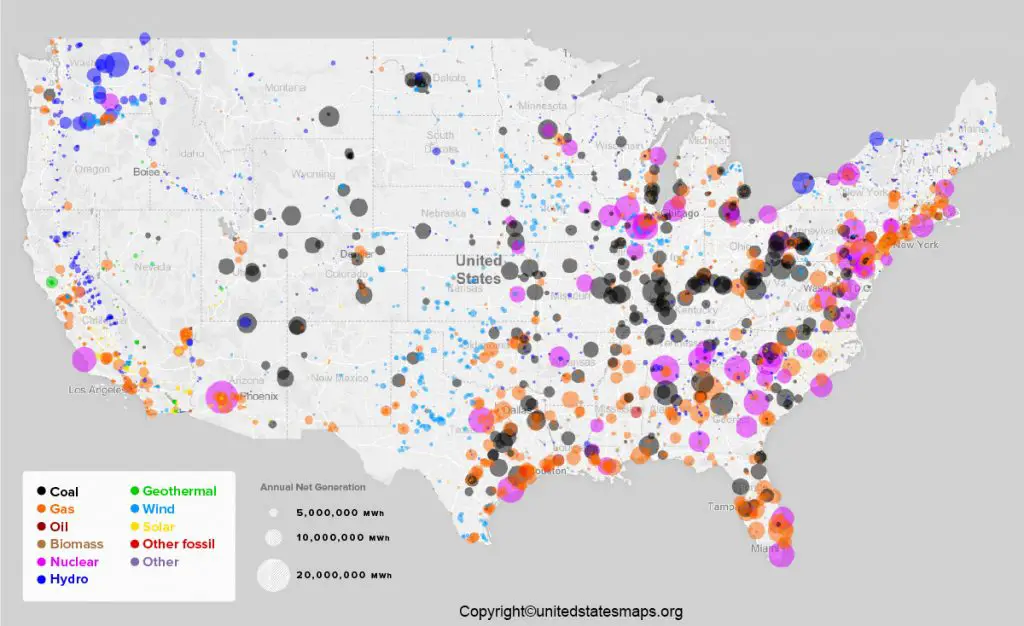
In fact, when you look at the numbers, nuclear power has one of the best safety records of any energy source, both in terms of operational accidents and public health impact. It's often safer than digging coal out of the ground or drilling for oil. Surprising, right? It's not just clean energy; it's also incredibly reliable and, statistically speaking, pretty darn safe.
Why Aren't We Talking About Them More?
Good question! Nuclear power is the largest source of carbon-free electricity in the United States, providing over half of our clean energy. It runs 24/7, rain or shine, wind or no wind, making it incredibly reliable (unlike some other renewable sources that are a bit more weather-dependent).
The main sticking points are typically the upfront cost of building these colossal structures (they are expensive to construct) and, of course, the age-old question of what to do with the spent nuclear fuel. While the amount of waste is surprisingly small and incredibly well-contained, finding a permanent disposal solution is a political hot potato. It's safe, but where do you put it where everyone agrees?
The Future is Bright (and Maybe Smaller!)
Don't count nuclear out yet! There's a renewed interest in nuclear power as a crucial tool in fighting climate change. We're seeing exciting developments in what are called Small Modular Reactors (SMRs). These are smaller, factory-built reactors that are cheaper, quicker to deploy, and even more inherently safe than their larger cousins.
They could revolutionize how we get our power, bringing clean, reliable energy to more places without the colossal price tag and construction time of traditional plants. Imagine a future where a small town could have its own mini-nuclear reactor powering everything, nestled away safely. It's not sci-fi; it's happening!
So, The Next Time You Flip a Switch...
Remember that lurking beneath the surface of public awareness, nuclear power plants are quietly, cleanly, and safely humming along, generating about 20% of America's electricity. They're not the monsters of our childhood fears, but rather sophisticated marvels of engineering helping to power our modern lives and pave the way for a greener future.
So, go forth! Impress your friends at your next café chat. Tell them the truth about nuclear power in the US. And maybe, just maybe, offer to buy them a latte when their mind is inevitably blown.