
Are Plug In Carbon Monoxide Detectors Good

Are Plug-In Carbon Monoxide Detectors Good? Let's Chat!
Alright, let's be real for a minute. We've all got that mental checklist for keeping our homes safe and sound, right? It's usually a chaotic jumble of "lock the door," "did I leave the stove on?", and "oh god, is that a spider?" Somewhere in that delightful mental chaos often lurks the question of carbon monoxide. It's that invisible, odorless, sneaky little villain we hear about, but rarely see. And because it's so darn invisible, we need some help. Enter the humble, often overlooked, plug-in carbon monoxide detector.
Now, why even bother with this CO business? Think of carbon monoxide like that one friend who always seems quiet but is secretly plotting world domination. It's a gas, it comes from burning fuels (think furnaces, gas stoves, fireplaces), and if it builds up, it basically replaces oxygen in your blood. Not good. Like, really not good. Your body essentially suffocates without you even realizing it. Spooky, right?
So, we need a sentry, a guardian, a tiny house robot to warn us. And for many, the plug-in carbon monoxide detector is the go-to choice. But are they actually any good? Or are they just another gadget destined to gather dust next to that old bread maker? Let's break it down, no fancy jargon, just good old-fashioned chat.
Must Read
The "Yay!" List: Why We Love Plug-Ins
First off, the sheer convenience factor is off the charts. Seriously, installing one of these is easier than trying to assemble that IKEA bookshelf with only an Allen wrench and a vague sense of dread. You literally just find an outlet, push it in, and poof – you're done. No wiring, no drilling, no wrestling with a ladder like you're trying out for the circus.
They're also pretty visible. Unlike their ceiling-dwelling smoke detector cousins, you often see these little guys nestled into an outlet. This means a quick glance can assure you it's humming along, doing its job. It's like having a little security guard you can actually see, rather than just trusting there's one hiding in the bushes.

Got a new rental? Moving into a dorm? Or just paranoid about the in-laws' questionable ancient furnace when you visit? Many plug-ins are wonderfully portable. Unplug, pack, replug. It’s like having a safety blanket that actually works, but without the questionable stains from childhood.
And let's not forget the wallet. Generally speaking, plug-in CO detectors are often more affordable than hardwired systems. So you get peace of mind without having to sell a kidney. Win-win!
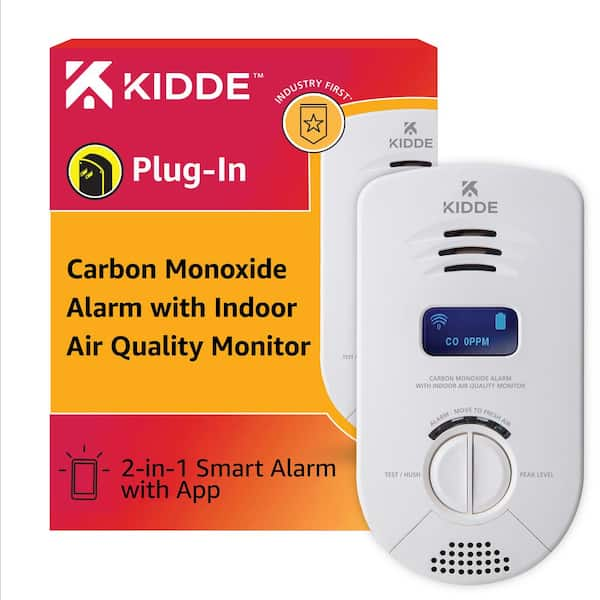
The "Hmm..." List: Things to Consider
Okay, so they're not perfect, just like that perfectly toasted bagel that somehow still manages to burn one side. The biggest "hmm" for plug-ins? They take up a precious outlet. In older homes, where outlets are scarcer than a unicorn playing the banjo, this can be a genuine source of frustration. "Do I plug in the phone charger, or the carbon monoxide detector?" It's a first-world problem, but a real one!
Then there's the issue of placement. CO rises with warm air, so ideally, you want your detector at chest height or higher. But with a plug-in, you're at the mercy of wherever an outlet decides to live. Sometimes that's great, sometimes it's awkwardly low, next to your cat's favorite napping spot. Not ideal for optimal detection.

And here's a biggie: power outages. If the lights go out because a squirrel looked at the transformer funny, your standard plug-in detector goes silent. Unless it has a battery backup, it's essentially useless. Imagine your phone dying right when you need to call for help. Yeah, that kind of useless. So, if you're getting a plug-in, always, always look for one with a battery backup. It's like giving your safety net a safety net.
The Verdict: Are They Good?
So, after all that, are plug-in carbon monoxide detectors good? My friend, a resounding YES! They are absolutely good. They might have a few quirks, like that eccentric aunt who always brings a fruitcake to Christmas, but their benefits far outweigh the minor inconveniences.

The most important thing is simply having one. Or, ideally, several. One near sleeping areas, one near heat sources like your furnace or water heater. Any carbon monoxide detector is infinitely better than none. Think of it as a small, silent guardian watching over your home, ready to shout (or beep, in this case) if danger arises.
They give you that priceless gift of peace of mind. Knowing that a little device is constantly sniffing the air, looking for that invisible bad guy, lets you sleep a little sounder. It's like knowing your car has good brakes – you hope you never need them for an emergency stop, but you're darn glad they're there.
So, go forth, plug one in, and breathe easy (literally!). Just remember to check for battery backup, consider your outlets, and maybe give it a little nod of appreciation now and then. Your lungs will thank you.