
Are Most Smoke Detectors Also Carbon Monoxide
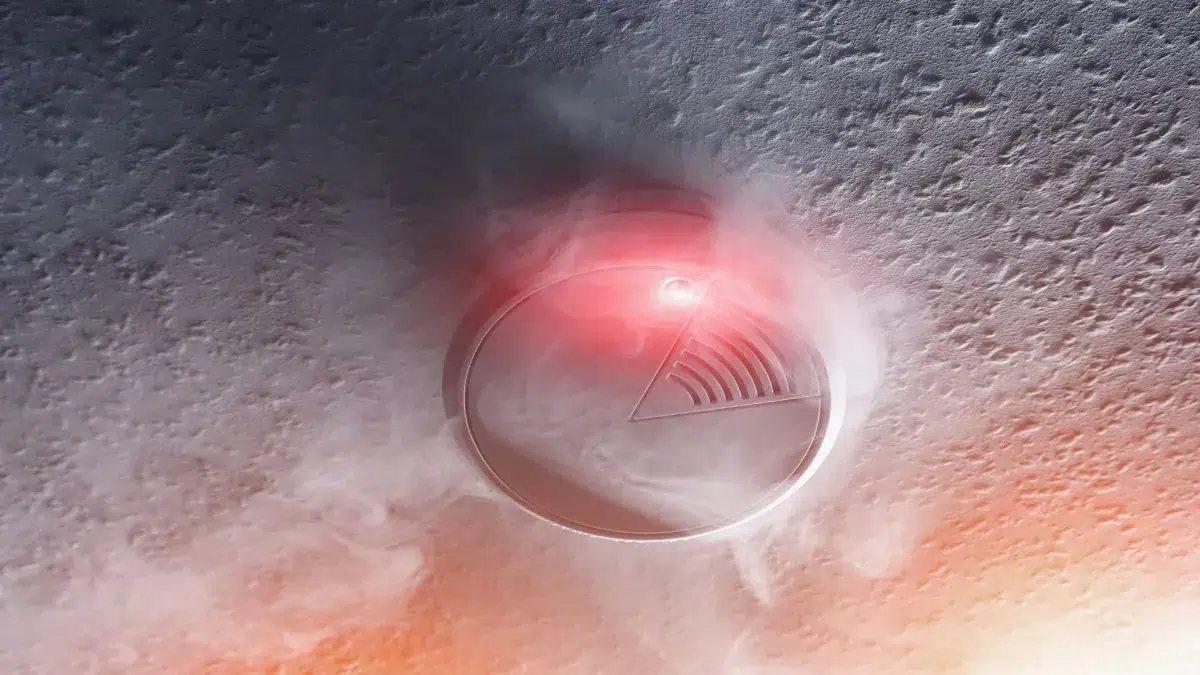
Ever woken up in the middle of the night to that piercing, high-pitched chirp? You know the one. The sound that sends a jolt of pure panic through your soul, making you wonder if the house is on fire, if a robot is having a meltdown in your attic, or if your smoke detector is just having an existential crisis about its battery life.
In that groggy, pre-caffeine haze, our minds often jump to all sorts of worst-case scenarios. And for many of us, there's a sneaky little question lurking in the back of our minds: "Wait, is this thing also checking for carbon monoxide, or do I need another gadget for that?"
It’s a totally fair question, and one that trips up more people than you’d think. After all, those little plastic disks look pretty similar, whether they're stuck to your ceiling or plugged into an outlet. They're both guardians of your home, silently standing vigil. But are most smoke detectors also carbon monoxide detectors? Let's clear the smoke – and the CO – on this one!
Must Read
The OG: Smoke Detectors
Let’s talk about the original gangsta of home safety: the smoke detector. This bad boy is designed to detect, well, smoke. Whether it's from a sizzling pan of forgotten bacon (we’ve all been there) or something much more serious, its job is to shriek like a banshee and alert you to potential fire.
There are a couple of types – ionization and photoelectric – but you don't really need to get into the nitty-gritty. Just know that they’re looking for those tell-tale particles floating in the air that signal a blaze. Think of it as your home's personal "uh oh, something's burning!" alarm.
The Silent Ninja: Carbon Monoxide Detectors
Now, meet the carbon monoxide detector. This hero tackles a completely different beast: carbon monoxide (CO). CO is often called the "silent killer" because it's odorless, colorless, and tasteless. You can’t see it, smell it, or taste it, but it’s incredibly dangerous and can be lethal. It’s the ninja of gases, slipping into your home unnoticed from faulty furnaces, gas stoves, or even car exhaust.
Your smoke detector, for all its ear-splitting glory, is typically blind to carbon monoxide. It just doesn't have the right sensors to sniff out that particular invisible villain. It’s like expecting your toaster to make coffee – different jobs, different tools!
The Dynamic Duo: Combination Units!
So, are most smoke detectors also carbon monoxide detectors? The short, somewhat unsatisfying answer is: not inherently. A dedicated smoke detector only looks for smoke. A dedicated carbon monoxide detector only looks for CO.
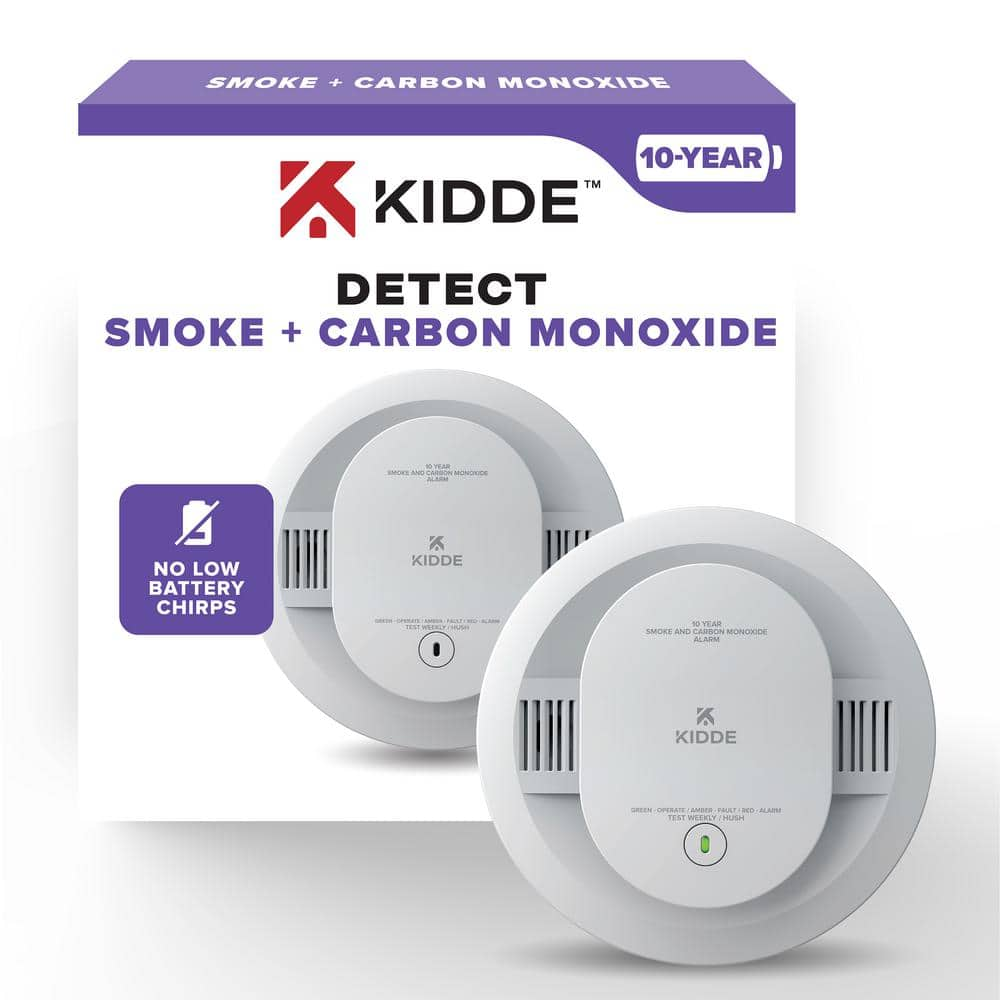
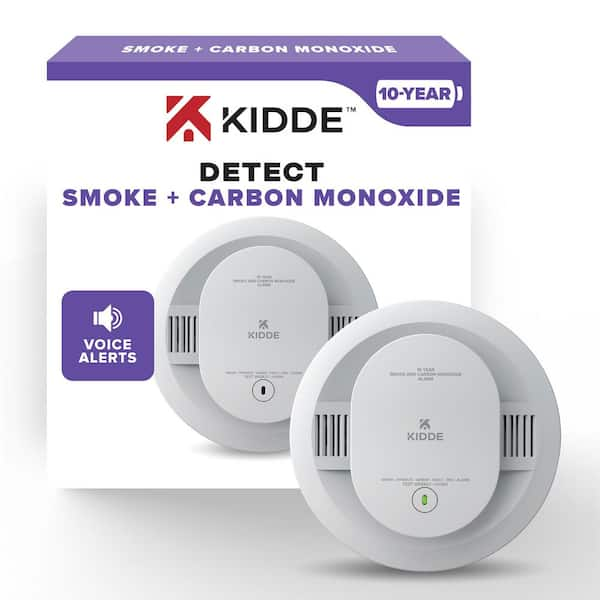
However, and this is where the plot thickens, there are fantastic combination units! These are the Swiss Army knives of home safety. They’ve got both sensors packed into one convenient device, ready to alert you to either smoke or carbon monoxide. They're like the two-in-one shampoo and conditioner of the safety world – efficient and practical.
These combo units are becoming increasingly popular, and for good reason. They save space, simplify installation, and give you comprehensive peace of mind from two major household threats.
How to Check Your Own Safety Gadgets
"Okay, great," you might be thinking, "but how do I know if my current screeching circle of plastic is a lone wolf or a dynamic duo?"
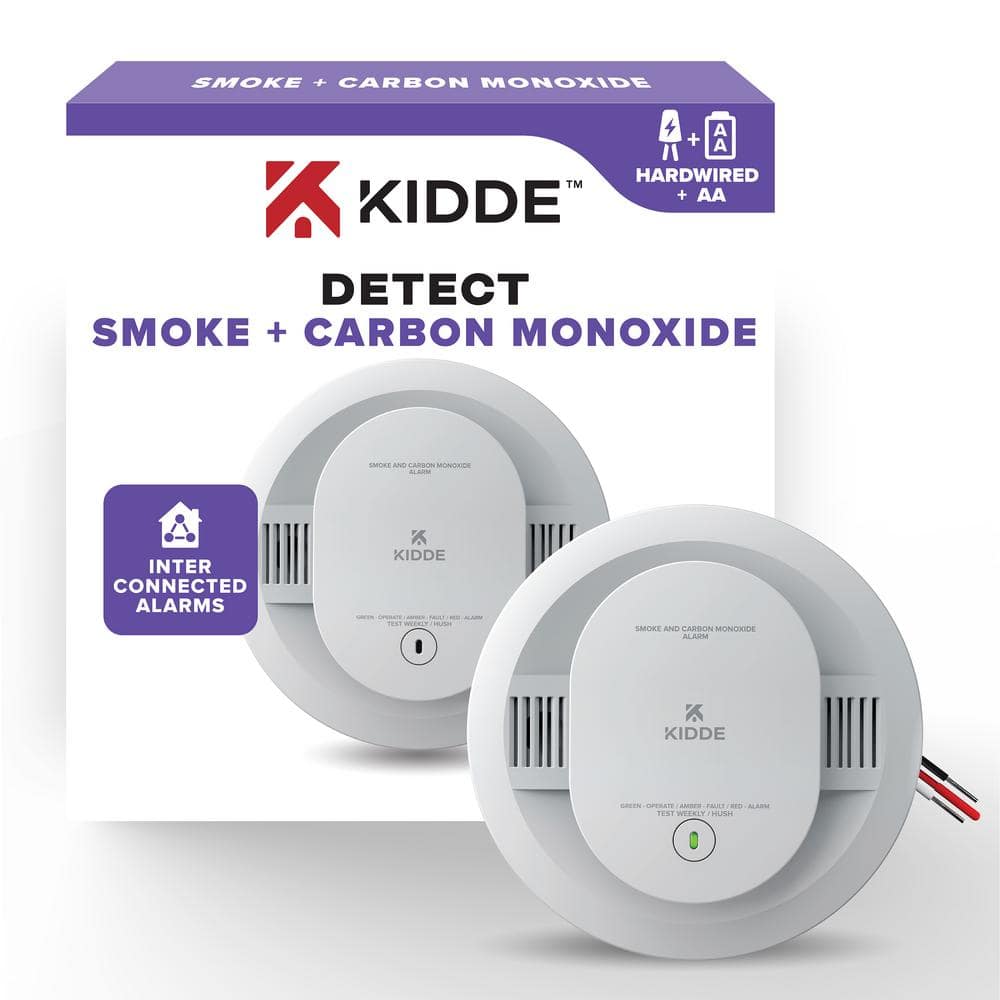
Here's the trick: flip it over! Most devices will clearly state on the back or side if they detect "smoke" only, "carbon monoxide" only, or "smoke and carbon monoxide." Look for phrases like "smoke alarm" vs. "carbon monoxide alarm" vs. "smoke & CO alarm." Sometimes there will be distinct symbols too. If in doubt, a quick Google search with the model number usually clears things up.
It’s a good idea to have both types of detection in your home. For smoke, aim for one outside each sleeping area and on every level of your home. For CO, near sleeping areas and on every level, especially if you have gas appliances or an attached garage. Combination units can cover both bases strategically.

The Bottom Line (and a Gentle Reminder)
So, while most standalone smoke detectors don't also detect carbon monoxide, many people are opting for the convenient and effective combination units. It’s like getting a smart speaker that also tells you jokes – two birds, one stone!
Don't forget to test your detectors regularly (that little button isn't just for show!) and replace batteries at least once a year, or when they start that infamous low-battery chirp. Remember, these devices aren't immortal; they typically need replacing every 7-10 years. Check the manufacturer's date on the back!
Taking a few minutes to check your home's detectors is a small effort for a huge payoff in safety and peace of mind. Now go forth, conquer your detector confusion, and enjoy that tranquil night's sleep, free from panic-inducing chirps (unless it's just your neighbor's cricket, of course).