
Are Fake Christmas Trees A Fire Hazard

Alright, grab your mug, settle in! We need to chat about something that probably pops into your head every December, right after you’ve wrestled that box from the attic and before you’ve untangled a single strand of lights. We’re talking about those fabulous, feathery, often sparkly, fake Christmas trees. Are they, like, a secret fire trap waiting to go all fiery on your holiday cheer? Is your little plastic pine just a disaster waiting to happen?
It's a question I hear all the time. And honestly, it’s a valid one! We've all seen those news clips, usually around this time of year, showing a dry, real Christmas tree going up in flames faster than you can say "Ho ho OH NO." So, naturally, our brains jump to the next logical step: if the real ones are basically giant kindling, what about the imitation ones?
The Big Reveal: Fake Trees vs. Fire
Okay, deep breath. Here’s the short, sweet, and mostly reassuring answer: for the most part, no, fake Christmas trees are generally not the fire hazards you might imagine them to be. Phew! You can exhale now.
Must Read
In fact, when it comes to fire safety, they often have a pretty solid edge over their fresh, pine-scented cousins. Shocking, right? But it’s true!
The Real Story on Real Trees (Pun Intended!)
Let's just quickly address the elephant in the room – or rather, the evergreen in the living room. Real trees? They are beautiful, they smell divine, but oh boy, can they become a fire hazard. Especially once they start drying out. A dry real tree can literally go from zero to inferno in a matter of seconds. We're talking spontaneous combustion party, and nobody wants that kind of party.
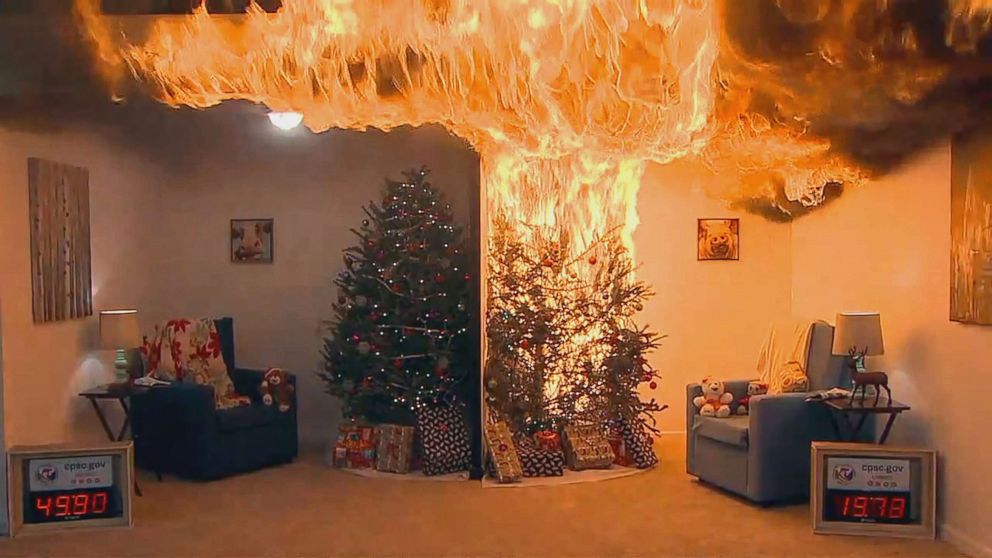
They need constant watering, diligent checking for dryness, and a whole lot of attention. Otherwise, they're just a big, beautiful pile of flammable material. Yikes!
Why Fake Trees Are Less Likely to Go Up in Smoke
So, what makes the fake ones so different? Well, it mostly comes down to what they're made of and, crucially, modern manufacturing regulations. Most artificial trees today are crafted from PVC (polyvinyl chloride) or PE (polyethylene) plastics. And here’s the kicker: these materials are almost always treated with fire retardants.
/cdn.vox-cdn.com/uploads/chorus_image/image/64573339/1782314.0.jpg)
This doesn't mean they're entirely fireproof. Let's not get crazy here. If you hold a lighter to a branch for long enough, or expose it to an open flame, it's going to melt. It might even char and smoke. But what it's less likely to do is burst into a giant, roaring blaze and fuel itself into an inferno like a dry real tree would. It tends to self-extinguish or just melt into a sad, plastic puddle. Not ideal, but definitely better than a raging inferno, right?
Think of it like this: a properly manufactured artificial tree is designed to be fire-resistant, not fire-invincible. There's a difference! It slows down the spread, giving you precious time to react.
But Wait, There's a Catch (Isn't There Always?)
Now, before you go lighting candles right next to your plastic pine, let's inject a dose of common sense. While the tree itself might be less of a fire risk, the accessories you adorn it with can absolutely introduce hazards.

I'm talking about those gorgeous, twinkly lights! Especially older, worn-out sets with frayed wires or loose connections. These are the real culprits behind most Christmas tree fires, whether real or fake. An electrical short, an overheating bulb pressed against plastic needles, or an overloaded extension cord? That's where the danger lurks!
Also, cheap, poorly made artificial trees from unreliable sources might not adhere to those strict fire-retardant standards. So, while a bargain is lovely, maybe not when it comes to something that could potentially compromise your home's safety.

Your Tree Safety Checklist (For ALL Trees!)
So, how do we keep our festive setups jolly and safe, regardless of tree type?
- Inspect Your Lights: Always, always, always check your light strands. Toss any with frayed wires, broken sockets, or loose connections. Better safe than sorry!
- LEDs are Your Friend: Opt for LED lights. They run cooler, use less energy, and are generally safer. Plus, they last forever, practically.
- Don't Overload: Avoid daisy-chaining too many strands together or plugging too many things into one outlet. Extension cords have limits, folks!
- Unplug at Night: This is a biggie! When you leave the house or go to bed, unplug your tree lights. Seriously, it takes two seconds.
- Keep Heat Sources Away: Candles, fireplaces, space heaters – keep them a respectful distance from any Christmas tree. This is just basic fire safety 101, right?
- Buy from Reputable Retailers: Especially for artificial trees. You want to trust that those fire retardant claims are legitimate.
The Takeaway
So, are fake Christmas trees a fire hazard? Not in the way a dry real tree is. They're designed with safety in mind. The real danger usually comes from how we use them, specifically with electrical decorations.
Bottom line? Go ahead and enjoy your beautiful, reusable, non-shedding artificial tree! Just pair it with some smart, safe decorating habits, and your holidays will be merry, bright, and most importantly, fire-free. Happy decorating, friend!