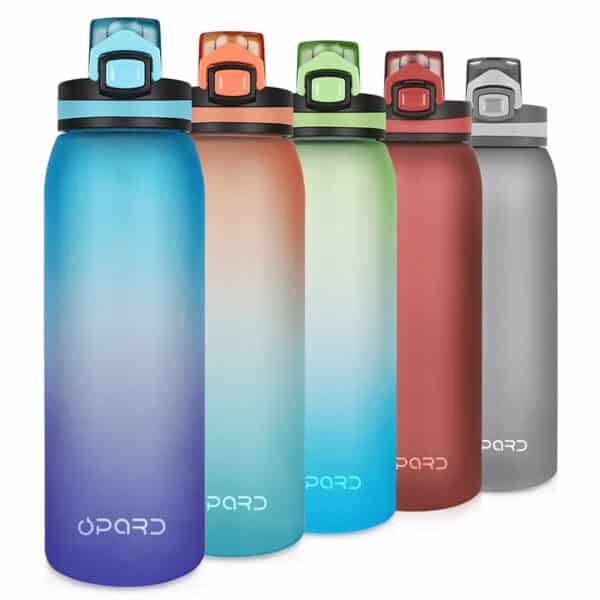
Are Core Water Bottles Bpa Free

Okay, so picture this: I'm at the gym, sweating like I'm being paid to, and I reach for my trusty Core bottle. I’ve been refilling this thing for, like, ever. Suddenly, a little voice (my inner hypochondriac, naturally) pipes up: "Hey, are you sure that thing is safe? What if it's leaching chemicals into your precious hydration?" Thanks, brain. Now I’m spiraling.
That got me thinking... We all lug around water bottles, assuming they’re harmless. But are they really? The big question: are Core water bottles BPA free? Let's dive in, shall we?
What's the Deal with BPA Anyway?
BPA, or bisphenol A, is a chemical that was once super common in plastics. The problem? It can leach into your food and drinks. Studies have linked it to a bunch of potential health issues – hormone disruption, heart problems, even (gasp!) fertility issues. Nobody wants that!
Must Read
Think of it like this: your water bottle is slowly, secretly plotting against your reproductive system. Okay, maybe not plotting, but you get the idea. It’s not something you want hanging around in your system.
Core Water Bottles: The Verdict
Alright, drumroll please… Yes, Core water bottles are indeed BPA-free! Hallelujah!

They proudly state this fact right on their website and often on the bottle itself. It’s like they know we’re all a little paranoid and are trying to reassure us. And honestly? It works. (At least for me. My inner hypochondriac is temporarily appeased.)
But here's the kicker: just because a bottle says it’s BPA-free, doesn't always mean it’s the whole story. Sometimes manufacturers replace BPA with similar chemicals, like BPS, which may have similar (or even worse!) effects. Sneaky, right?
Always do your research! Don't just blindly trust the label. A little digging can save you a lot of potential headaches (and potentially worse things). Seriously, Google is your friend here.

Beyond BPA: Other Things to Consider
So, Core bottles are BPA-free. Great! But are there other things we should be worrying about? Absolutely!
- Material: Core bottles are typically made from PET (polyethylene terephthalate) plastic. While considered relatively safe for single-use, it’s not the most durable option for repeated refills.
- Cleaning: Always clean your water bottle regularly! Bacteria love damp, dark places. A good scrub with soap and water is usually sufficient. (Unless you're like me and occasionally forget about it in your gym bag for a week... then you might need something stronger.)
- Temperature: Avoid exposing your plastic water bottle to extreme heat. This can accelerate the leaching of chemicals, even if it's BPA-free. Leaving it baking in your car all day? Bad idea.
Basically, treat your water bottle with respect, and it will (hopefully) treat you with respect in return.
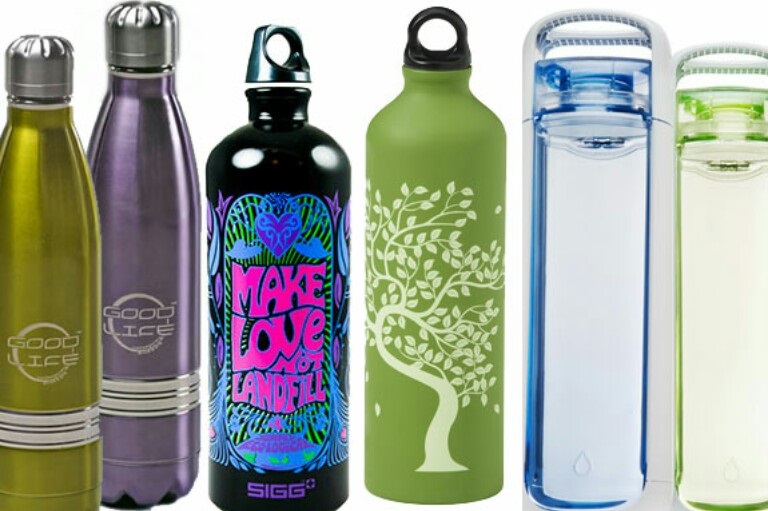
Alternatives to Plastic
If you’re really concerned about potential chemical leaching, there are always alternatives to plastic water bottles.
- Stainless Steel: Durable, reusable, and doesn’t leach chemicals. Plus, they look pretty sleek.
- Glass: Another great option, though a bit more fragile.
- Tritan: A BPA-free plastic that’s more durable than PET.
Ultimately, the best water bottle is the one you’ll actually use. But being informed about the materials and potential risks is always a good idea.
Final Thoughts
So, to answer the original question: yes, Core water bottles are generally considered BPA-free. But as with everything, it's worth being a conscious consumer. Do your research, clean your bottles, and maybe consider alternatives if you’re really worried. Now, if you’ll excuse me, I’m going to go disinfect my gym bag…