
An Example Of A Stationary Source Of Energy Is
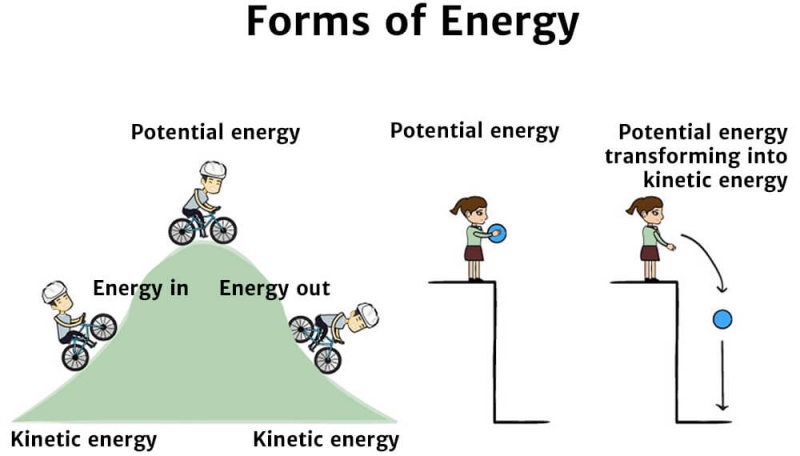
Ever wondered where all that energy comes from? We're talking about the juice that powers our gadgets, lights up our homes, and keeps the pizza oven roaring!
Well, some energy sources move around, like a hyperactive hummingbird zipping from flower to flower. Others? They stay put! They are called stationary sources.
So, What’s a Stationary Energy Source, Exactly?
Imagine a power plant, all big and burly, rooted to one spot. That's your stationary source! It generates energy right there, without needing to pack its bags and move.
Must Read
Think of it as the ultimate homebody of the energy world, perfectly content to stay in one place and churn out the power we all rely on.
It's the reliable friend who always has your back (and your outlets powered).
The Mighty Coal-Fired Power Plant: A Classic Example
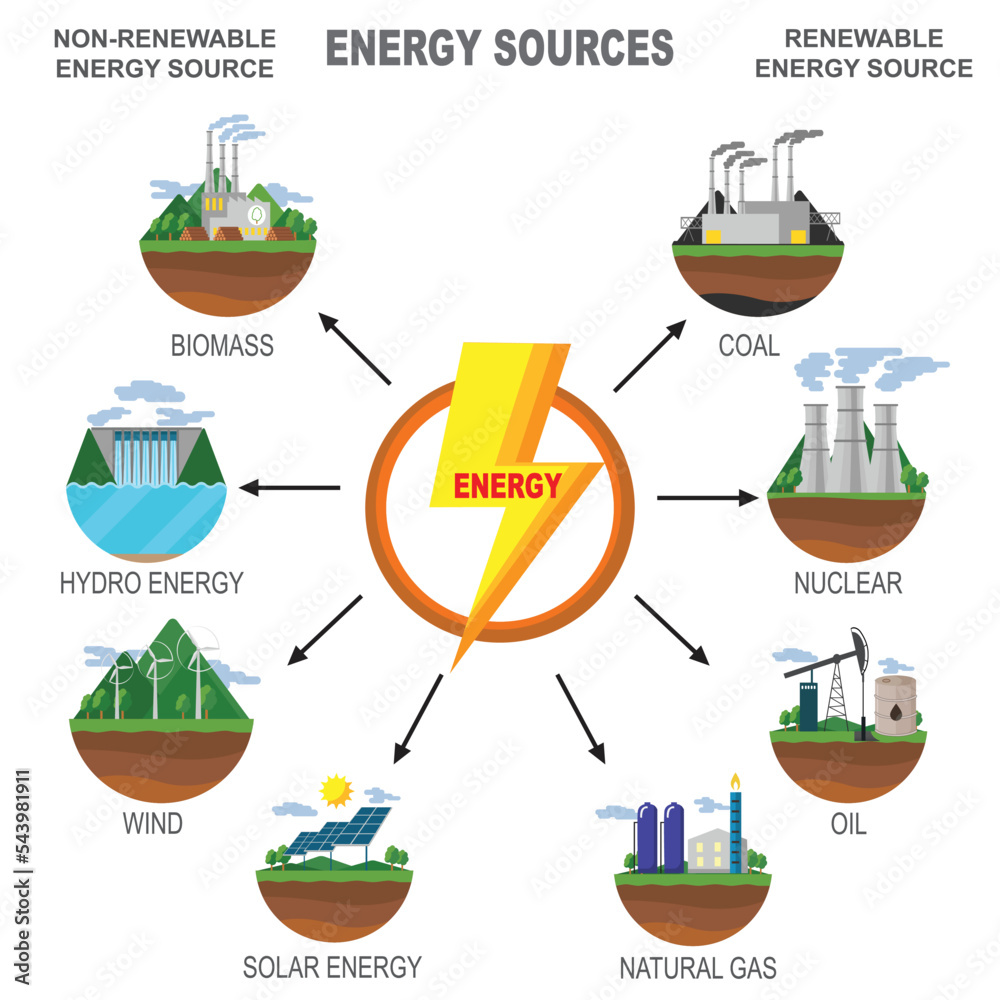
Let's dive into a specific example: the coal-fired power plant. These giants of the energy world are masters of stationary energy generation.
They chug away, day and night, burning coal to create steam that spins turbines and generates electricity. Picture a super-sized tea kettle powering a city!
They are a perfect example of a source that stays put and does its thing.
Why is "Stationary" Important?
You might be thinking, "Okay, so it doesn't move. Big deal!" But hold on, because it is a big deal!
Understanding whether an energy source is stationary or mobile helps us plan how to distribute that energy. Think of power lines stretching out from the power plant, like veins carrying energy to our homes.
It also helps with things like pollution control and environmental regulations. Easier to manage emissions when you know exactly where they're coming from!

More Stationary Superstars of the Energy World
Coal-fired plants are just the tip of the stationary iceberg! Let's explore some other examples of energy sources that prefer to stay put.
These powerhouses are the dependable workhorses of the energy landscape, providing the constant power we need to keep our modern world humming.
Get ready to meet some more stationary superstars!
Nuclear Power Plants: The Atomic Anchors
Nuclear power plants are another prime example. They use nuclear fission to generate heat, which then creates steam to power turbines. It's science magic!
These plants are massive and complex, designed to stay put for decades. They are not exactly something you can move around easily.
Imagine trying to relocate a nuclear reactor – it would be like trying to move a small mountain! (Please don't try this at home.)
Hydroelectric Dams: Water-Powered Wonders
Hydroelectric dams harness the power of moving water to generate electricity. They are usually built on large rivers and create reservoirs.
The dam itself is, obviously, quite stationary. It stays put, allowing the power of the water to be converted into usable energy.
Think of them as giant water wheels, but instead of grinding grain, they're generating electricity for entire cities!

Geothermal Power Plants: Earth's Hot Spots
Geothermal power plants tap into the Earth's internal heat to generate electricity. They are typically located in areas with volcanic activity or hot springs.
These plants are built directly on top of these geothermal resources, making them inherently stationary.
It's like having a giant, natural radiator beneath the power plant, providing a constant source of heat. Mother Nature's own power station!
Solar Power Plants: Sunshine Sentinels
While individual solar panels can be placed on roofs, large-scale solar power plants are usually built in sunny locations and cover vast areas of land.
These plants are designed to stay in one place, soaking up the sun's rays and converting them into electricity. They are solar superheroes!
Picture a giant field of mirrors reflecting sunlight onto a central tower. That tower isn’t going anywhere!
Biomass Power Plants: Renewable Residents
Biomass power plants burn organic matter, such as wood chips or agricultural waste, to generate electricity. They're like giant, eco-friendly fireplaces!
These plants need a steady supply of biomass fuel, so they're usually located near sources of this material, making them relatively stationary.
It's a way of turning waste into energy, and it all happens in one fixed location.
Mobile Energy Sources: The Nomads of the Power World
Now that we've celebrated the stationary sources, let's briefly acknowledge their mobile counterparts. These are the energy sources that can move around.
Think of batteries in your phone, or the gasoline in your car. They store energy and can be easily transported to where it's needed.
Mobile and stationary sources work together to keep our world running. One stays put, the other goes on adventure!
The Difference in a Nutshell
The key difference is simple: stationary sources generate energy in a fixed location, while mobile sources store and transport energy.
It's like the difference between a baker (stationary, makes the bread) and a delivery driver (mobile, brings the bread to you).
Both are essential, but they play very different roles in the energy ecosystem.
Why Should You Care? (The Fun Part!)
Understanding stationary energy sources isn't just for scientists and engineers. It affects all of us!
Knowing where our energy comes from helps us make informed decisions about energy consumption and support sustainable energy policies.

Plus, it's just plain cool to know how the world around you works. You can be the life of the party with your energy knowledge!
The Future of Stationary Energy
The future of stationary energy is all about cleaner, more efficient technologies. Think of advanced nuclear reactors, carbon capture technologies, and even more efficient solar power plants.
As we move towards a more sustainable future, stationary energy sources will play a vital role in providing clean and reliable power.
So, the next time you flip a light switch, take a moment to appreciate the stationary source of energy that makes it all possible! You are the appreciation champion!
In Conclusion: Stationary Sources Rock!
Stationary sources of energy are the unsung heroes of our modern world. They are the reliable power plants that keep our lights on, our factories running, and our world humming.
From coal-fired plants to nuclear reactors to geothermal hot spots, these stationary sources are essential for providing the energy we need.
So, let's give a round of applause for the stationary superstars of the energy world! They deserve it!
Remember: An example of a stationary source of energy is a coal-fired power plant. But there are many more!
And now you're armed with the knowledge to impress your friends and family with your newfound understanding of stationary energy sources. Go forth and educate!
You are now a fully equipped stationary energy enthusiast. Congratulations!