An Economic Model Is Defined As
Ever feel like the world is a chaotic jumble of information? Like trying to understand the economy is akin to herding cats while blindfolded? Well, fear not! There's a powerful, yet surprisingly accessible, tool that can help make sense of it all: the economic model. While it might sound intimidating, economic modeling isn’t just for stuffy academics in ivory towers anymore. It’s becoming increasingly popular – and creatively valuable – for everyone from budding entrepreneurs to curious hobbyists.
Why should you, as an artist, hobbyist, or even just a casual learner, care about economic models? Because they offer a simplified, understandable view of complex systems. Think of it as sketching a landscape before painting it. It helps you visualize the relationships between different elements. For artists, this could mean understanding how supply and demand affect the value of your work. For hobbyists, it could clarify the costs and benefits of different crafting materials. And for casual learners, it's a fantastic way to understand why gas prices fluctuate or why some countries are wealthier than others. It’s about developing a more informed and critical eye.
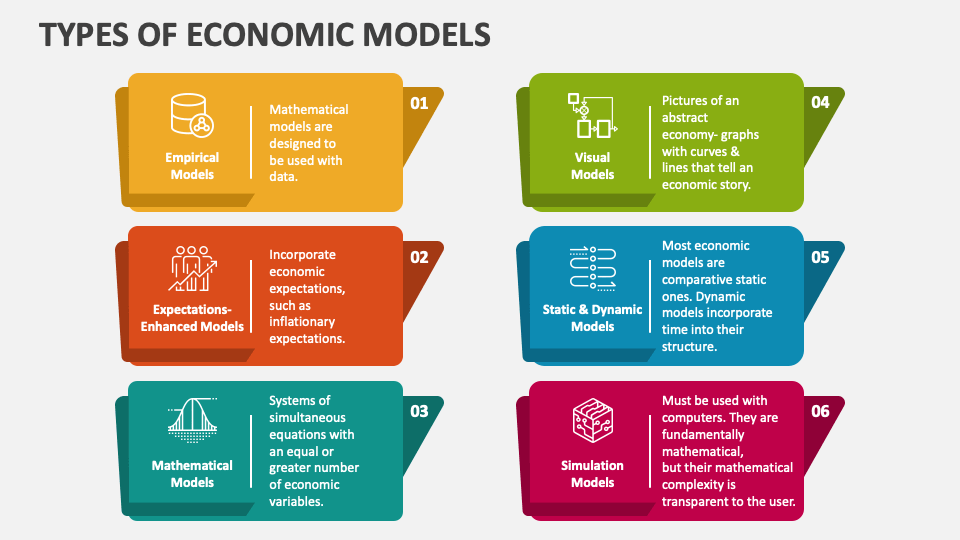
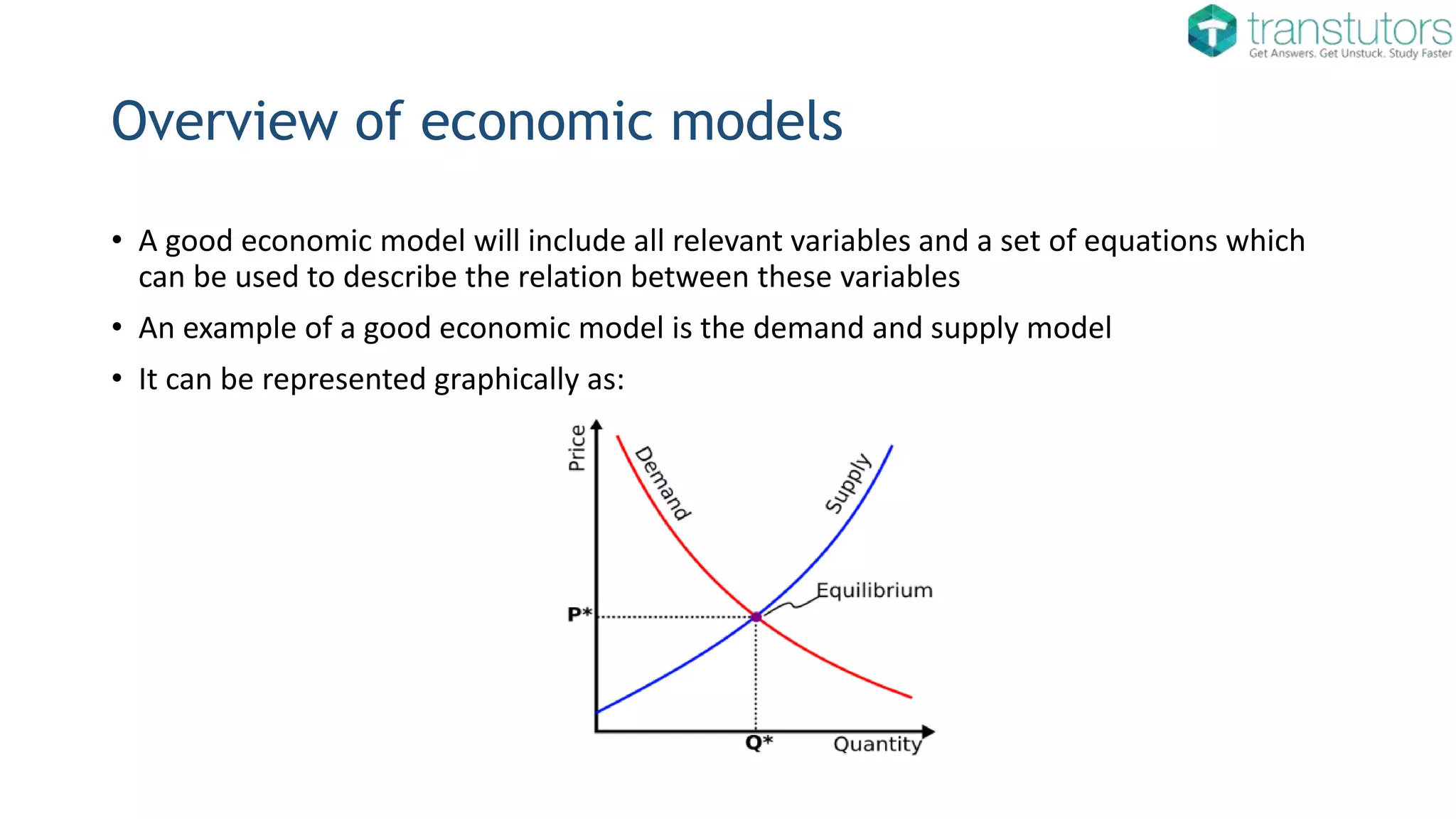
Economic models come in many flavors. Some are incredibly complex, involving advanced mathematics and simulations. But many are quite straightforward. A simple supply and demand curve, for example, is an economic model illustrating the relationship between price and quantity. Game theory, often used to model strategic interactions between individuals or businesses, is another powerful tool. You can even find behavioral economic models that explore how psychological factors influence decision-making. Imagine, for example, modeling the market for handmade jewelry – factoring in not just the cost of materials and labor, but also consumer preferences and trends driven by social media.
Must Read
So, how can you try economic modeling at home? Start small! Don't try to model the entire global economy. Instead, focus on something you understand well and are genuinely interested in. Think about the factors that influence your favorite hobby. For example, if you’re a knitter, model the relationship between the price of yarn and the number of knitted items you produce. Use a spreadsheet to track your data and experiment with different scenarios. Don't be afraid to make assumptions – that’s the whole point of a model! You can even create visual representations of your model using charts and graphs.
One of the most enjoyable aspects of economic modeling is the “aha!” moment when you see your model accurately predict a real-world outcome. It’s like solving a puzzle. It empowers you to understand the forces shaping your world and to make more informed decisions. It's not about being perfectly accurate; it's about understanding the underlying principles. It's about learning, experimenting, and having fun with the power of abstract thought. And who knows, you might just discover the next big economic breakthrough... or at least a more profitable way to sell your art!