Am I Still Protected On Placebo Week

Let's talk about something that's on the minds of many women who take birth control pills: the infamous "placebo week." It's that week when you're popping sugar pills instead of active hormones, and it's often associated with your period. But a question that frequently pops up is: Am I really still protected from pregnancy during placebo week? Understanding this is crucial for your peace of mind and reproductive health!
First, let's recap why birth control pills are so effective. The active pills contain synthetic hormones, usually estrogen and progestin, or just progestin. These hormones work in several ways to prevent pregnancy: primarily by stopping ovulation (the release of an egg), thickening cervical mucus (making it harder for sperm to reach the egg), and thinning the uterine lining (making it less receptive to a fertilized egg).
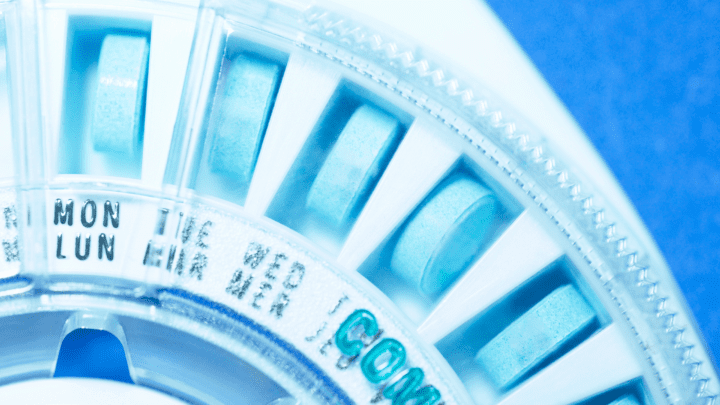
The purpose of placebo week isn't actually about preventing pregnancy. The whole point of the 21/7 (or 24/4) pill pack structure is largely about mimicking a natural menstrual cycle. Before birth control pills, women had regular monthly periods. The seven days of placebo pills allow for a withdrawal bleed, which simulates a period. It gives women the reassurance that they aren't pregnant. Some pill formulations are continuous use and have no placebo pills, and that's perfectly safe too!
Must Read
Now, the million-dollar question: are you still protected during placebo week? The answer is yes, if you've taken your pills correctly for the previous 21 (or 24) days. The hormones from the active pills have done their job in suppressing ovulation and creating a hostile environment for sperm. The seven days of placebo pills are like a "grace period." As long as you start your next pack on time, you remain protected.
However, and this is a big however, consistency is key. If you miss pills, especially at the beginning or end of your active pill cycle, your protection can be compromised. Missing pills can give your ovaries a chance to "wake up" and release an egg. If that happens and sperm are present, pregnancy is possible.
Think of it this way: your birth control pills are like a carefully built dam. The active pills are the solid foundation holding back the water (potential pregnancy). Placebo week is like opening a small gate in the dam for a brief period to release some water (withdrawal bleed). As long as the dam is strong (you've taken your pills correctly), opening the gate doesn't cause a catastrophic flood (pregnancy). But if the dam is weakened by missed pills, opening the gate could lead to problems.

So, to stay protected during placebo week, remember these important points: Take your active pills consistently and on time. Start your next pack on time, even if you're still bleeding. If you miss pills, consult the instructions that came with your pills or talk to your doctor or pharmacist about what to do. They can give you personalized advice based on your specific pill type and situation.
In conclusion, enjoy your placebo week, but do so with the confidence that comes from knowing you've been diligent with your pill regimen. And if you ever have any doubts or concerns, don't hesitate to reach out to a healthcare professional. They're there to help you stay informed and in control of your reproductive health!