Advantages And Disadvantages Of Wind Turbines
Wind turbines! They're everywhere these days, aren't they? Towering giants gracefully spinning in the breeze, promising clean energy and a sustainable future. But are they really the perfect solution to our energy problems? Let's be honest, the debate around wind power can get a little…heated. So, let's dive into the world of wind turbines and explore the good, the bad, and the slightly noisy aspects of this popular renewable energy source.
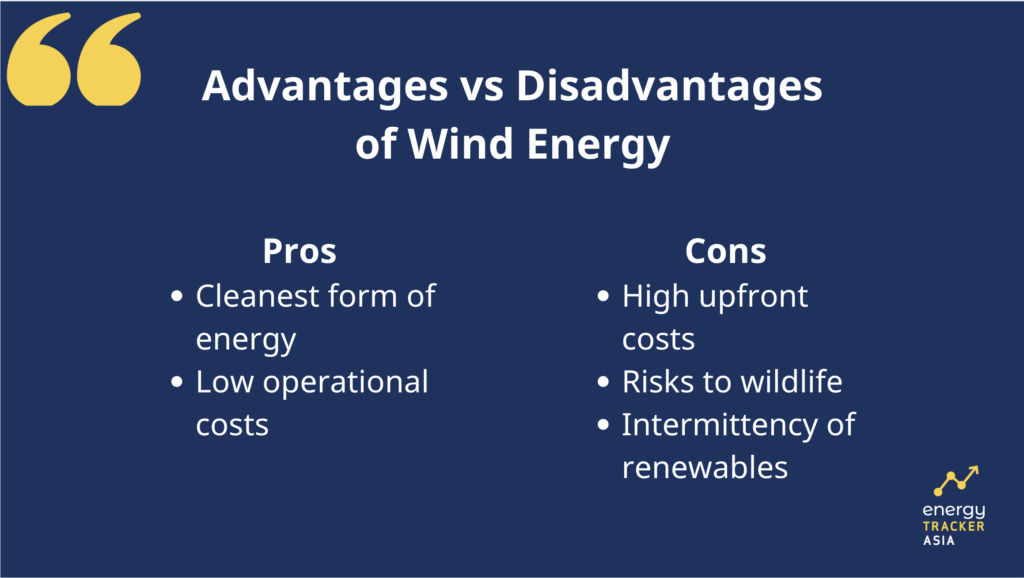
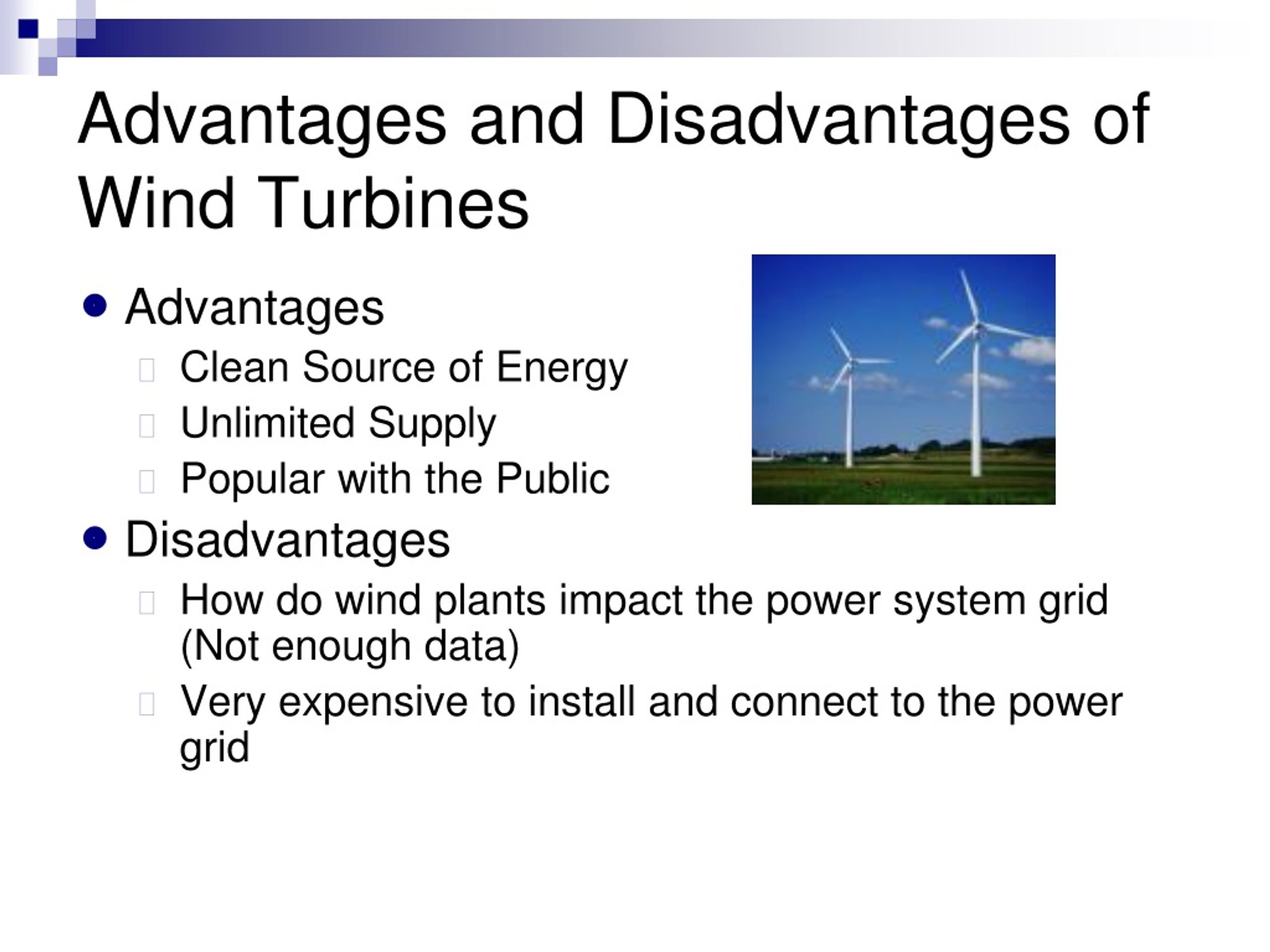
First, let's talk about what wind turbines actually do. Simply put, they harness the power of the wind and convert it into electricity. The wind turns the blades, which spins a generator, and voila! Electricity flows. The biggest benefit? It's a renewable resource. Unlike fossil fuels, we're not going to run out of wind anytime soon. This makes wind power a crucial part of the effort to reduce our reliance on fossil fuels and combat climate change.
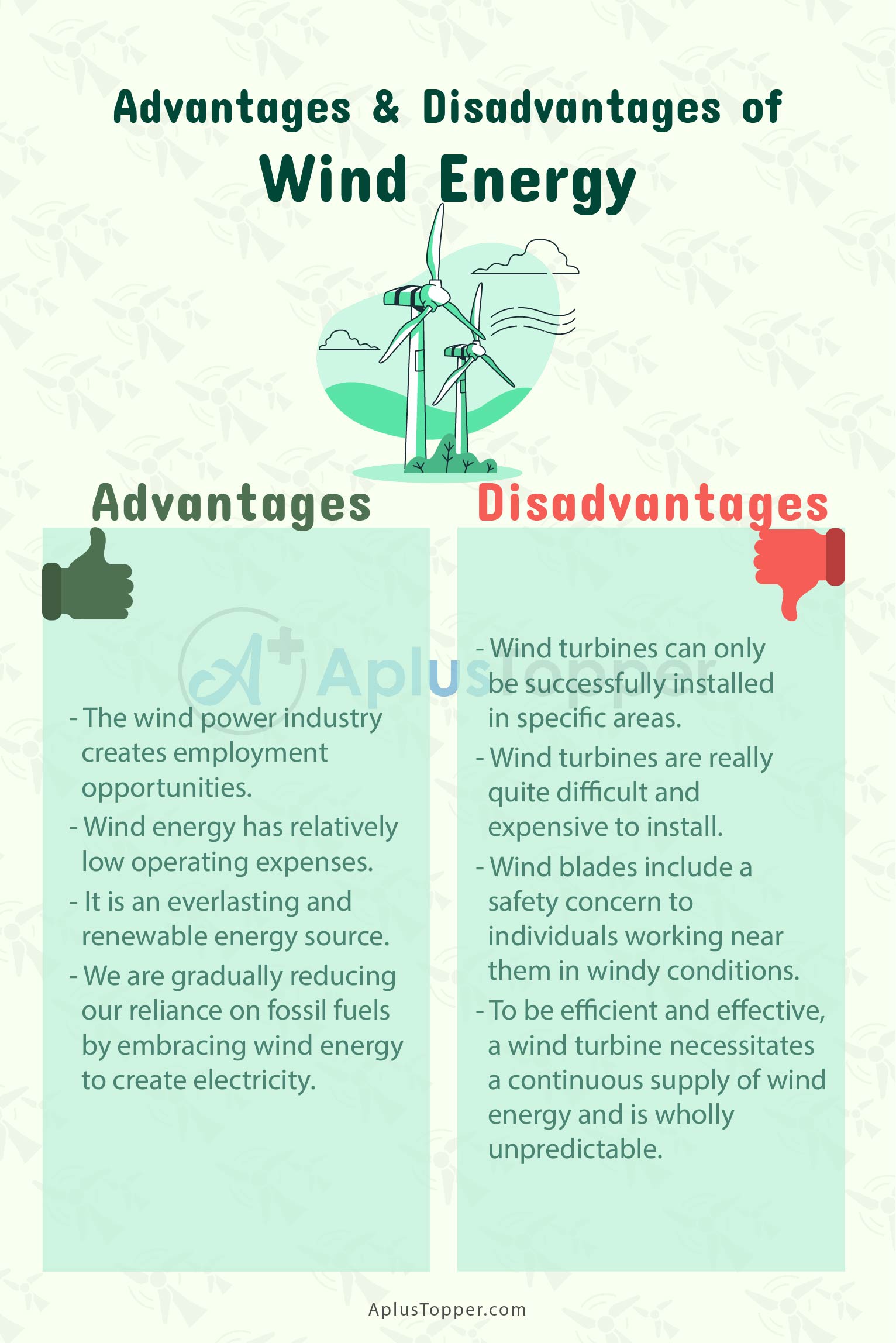
Think about it: wind energy is clean. It doesn't produce air pollution or greenhouse gases during operation. This is a massive advantage compared to traditional power plants. Plus, once a wind farm is up and running, the running costs are relatively low. The "fuel" (wind) is free! That makes wind energy a potentially cheaper option in the long run.
Must Read
But hold on, it's not all sunshine and breezy optimism. Wind turbines do have their drawbacks. One of the biggest concerns is their visual impact. Let's face it, not everyone loves the sight of massive turbines dotting the landscape. Some people find them aesthetically unappealing, and they can sometimes be seen as spoiling otherwise beautiful views. This can lead to local opposition to new wind farm projects.
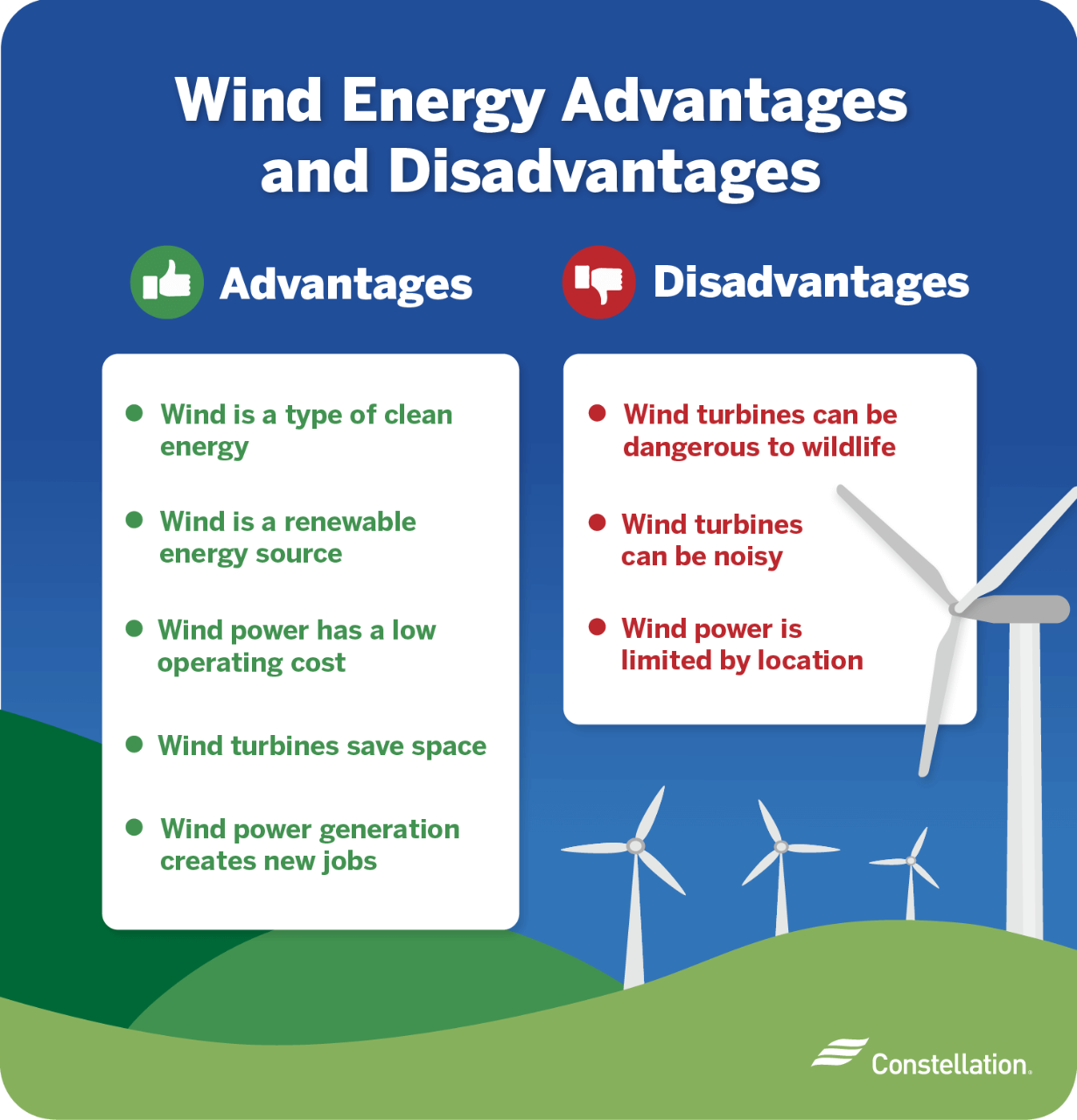
Then there's the issue of noise pollution. Wind turbines aren't silent. They produce a whirring or whooshing sound that can be annoying to people living nearby, especially at night. This is constantly being improved with new turbine designs, but it remains a consideration.
And let's not forget the impact on wildlife. Wind turbines can pose a threat to birds and bats. These animals can collide with the rotating blades, leading to injuries or death. This is a serious concern, and developers are working on solutions like adjusting turbine operation during peak migration seasons and using deterrent technology.
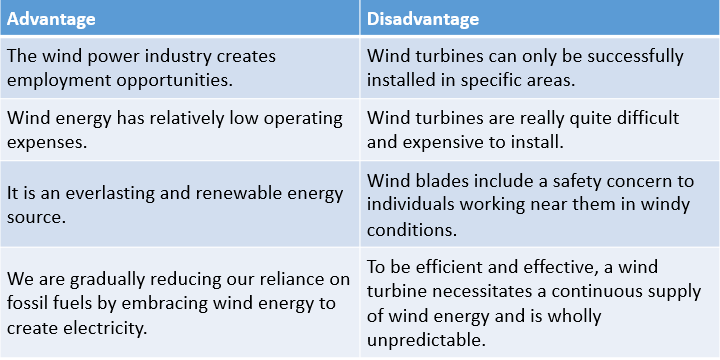
Finally, the wind isn't always blowing! Wind power is intermittent, meaning it's not always available when we need it. This means we need to have backup power sources or energy storage solutions to ensure a reliable electricity supply. Batteries are improving and becoming more cost-effective, but large-scale storage is still a challenge.
So, are wind turbines a perfect solution? No. But are they a valuable tool in our fight against climate change and a move towards a more sustainable future? Absolutely! Like any technology, wind power has its pros and cons. The key is to carefully weigh these factors and find the right balance to ensure we're harnessing the power of the wind responsibly and effectively.