Advantages And Disadvantages Of Li Ion Battery

Let's talk about batteries. Not the kind that power your imagination (though those are pretty cool too!), but the ones that keep our modern lives humming. We’re talking about Lithium-ion, or Li-ion, batteries – the unsung heroes powering everything from your smartphone to your electric scooter. They're everywhere, but are they actually all that great? Let's dive into the perks and pitfalls, shall we?
The Upsides: Why Li-ion is King (or Queen)
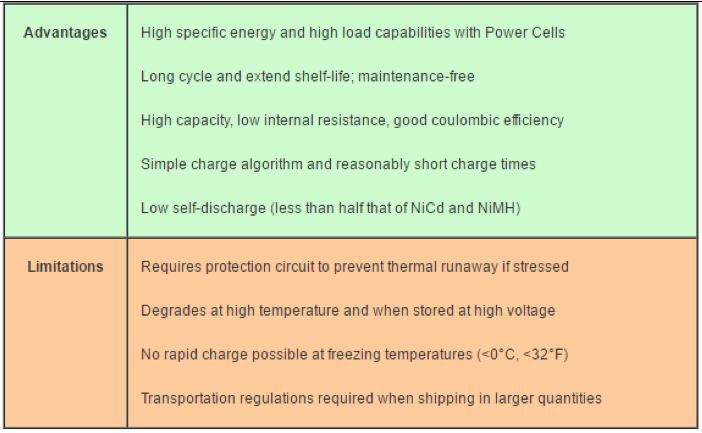
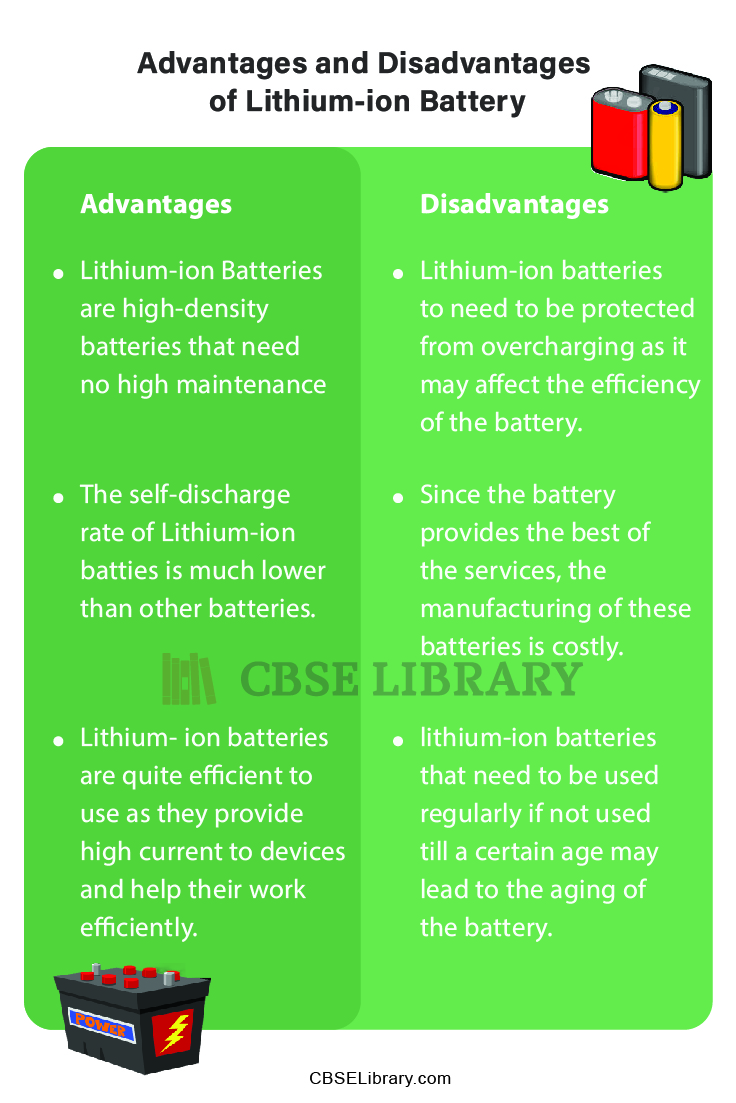
High Energy Density: This is the big one. Li-ion batteries pack a serious punch in a small package. Think of it like this: a tiny Li-ion battery can power your phone for a whole day, whereas older battery tech would have needed to be the size of a brick (remember those old Nokia phones? Yeah, exactly!). This high energy density is why electric vehicles (EVs) are even possible today. It's all thanks to the power squeezed into those little cells. Pretty neat, right?
Low Self-Discharge: Ever picked up a device you haven't used in weeks, only to find the battery completely drained? Annoying! Li-ion batteries have a very low self-discharge rate, meaning they hold their charge for much longer when not in use. This is why that emergency flashlight you stashed away in the drawer is (probably) still ready to go when you need it.
Must Read
No Memory Effect: Remember the days when you had to completely discharge NiCad batteries before recharging, otherwise they'd "forget" their full capacity? Li-ion batteries don't suffer from this "memory effect." You can top them up whenever you want without worrying about shortening their lifespan. Freedom!
Variety of Shapes and Sizes: Li-ion batteries come in all shapes and sizes, making them incredibly versatile. Manufacturers can tailor them to fit snugly into everything from slim smartphones to bulky power tools. It's like a bespoke suit for your electronics.

The Downsides: Every Rose Has Its Thorn
Aging: This is a biggie. Li-ion batteries degrade over time, regardless of how often you use them. It's inevitable. Think of it like a fine wine… except instead of getting better with age, it slowly loses its zest. Factors like temperature and charging habits can accelerate this aging process.
Heat Sensitivity: Li-ion batteries don't like extreme temperatures. Leaving your phone baking in the sun or charging it in freezing conditions can damage the battery and shorten its lifespan. Treat them like you'd treat a delicate houseplant: keep them in a comfortable environment.
Potential for Overheating: In rare cases, Li-ion batteries can overheat and even catch fire. This is usually due to manufacturing defects or physical damage, but it's a serious concern. Remember those exploding hoverboards a few years back? Yikes! Always use reputable chargers and avoid dropping or puncturing your devices.
Environmental Concerns: The extraction of lithium and the disposal of Li-ion batteries pose environmental challenges. Mining lithium can have a significant impact on local ecosystems, and improper disposal can lead to pollution. Recycling Li-ion batteries is crucial, but the infrastructure isn't always readily available. Let's hope for more recycling efforts in the future!
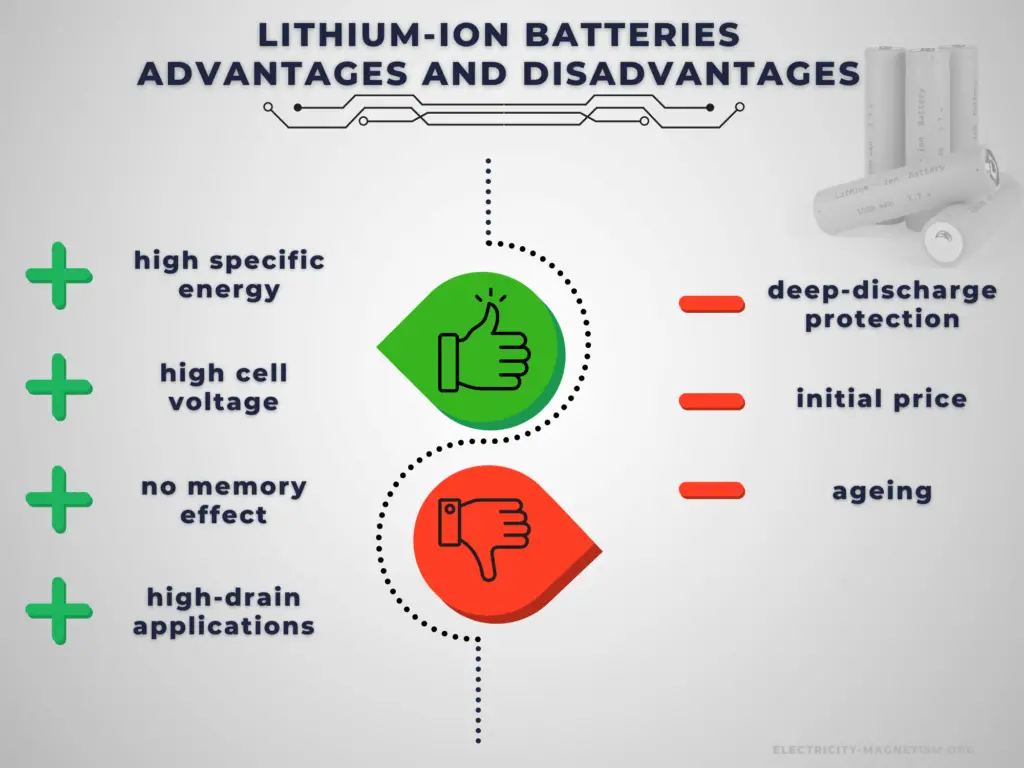
Cost: Li-ion batteries are generally more expensive than other battery technologies. This translates to a higher price tag for the devices that use them. While the price has come down significantly over the years, it's still a factor to consider.
Pro Tips for Li-ion Longevity:
- Avoid extreme temperatures: Don't leave your devices in direct sunlight or freezing temperatures.
- Use reputable chargers: Stick to the charger that came with your device or a certified replacement.
- Don't overcharge: While modern devices have safeguards to prevent overcharging, it's still best to unplug them once they're fully charged.
- Store batteries properly: If you're storing a device for an extended period, discharge the battery to around 50% before storing it in a cool, dry place.
A Final Spark
Li-ion batteries are undeniably a vital part of our modern lives. They empower us to stay connected, work remotely, and explore the world in electric vehicles. While they have their downsides, understanding their limitations and adopting good charging habits can help us extend their lifespan and minimize their environmental impact. Just remember to be mindful of your battery's health – after all, it's powering your world!