
Advantages And Disadvantages Of Biomass Energy
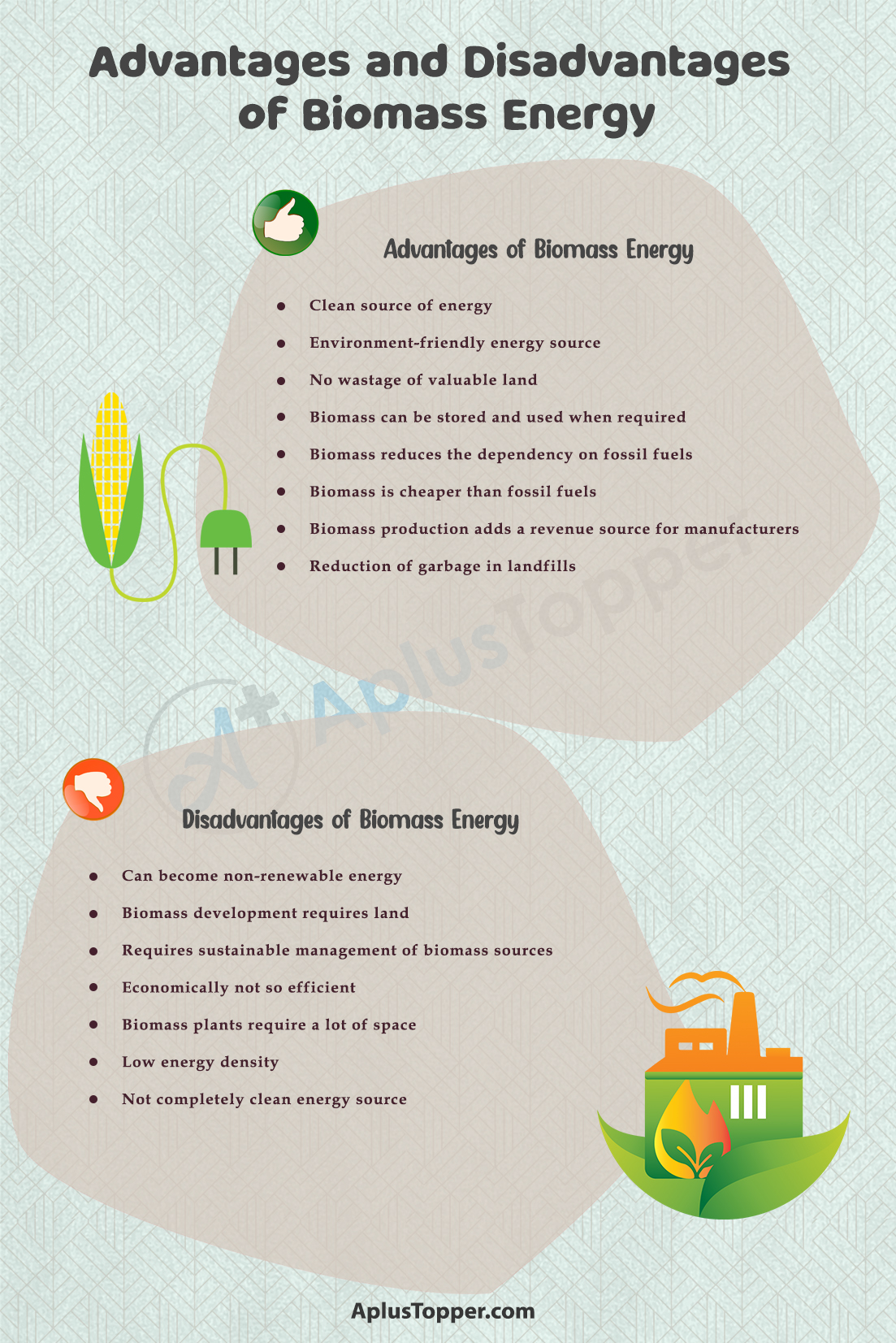
Okay, picture this: you’re cozy by a crackling fireplace, the smell of wood smoke filling the air. Ah, bliss! Now, imagine that same cozy feeling, but instead of just warming your toes, it’s helping power your entire town. That’s the basic idea behind biomass energy – using organic matter, stuff that was recently alive (trees, crops, even your kitchen scraps!), to generate electricity, heat, or fuel.
Sounds pretty good, right? But like that time you accidentally set your hair on fire while roasting marshmallows (we’ve all been there!), biomass energy has its ups and downs. Let's dive into the slightly messy, occasionally smelly, but ultimately fascinating world of burning stuff for power!
The Good Stuff: Biomass Energy's Superpowers
First, the advantages. Think of these as biomass's superhero qualities:
Must Read
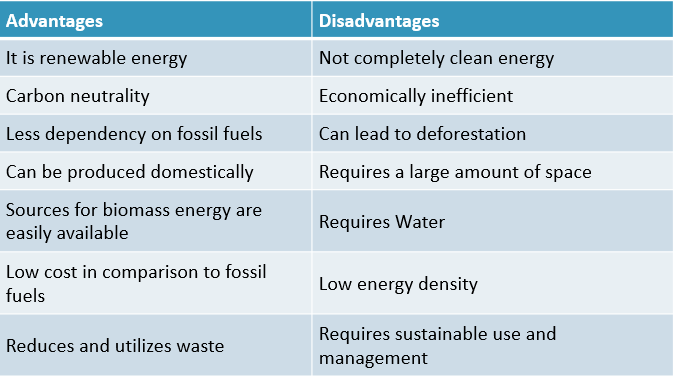
Renewable Resource: Unlike fossil fuels, which take millions of years to form, biomass replenishes relatively quickly. Trees grow back, crops are harvested annually, and the leftovers from your Sunday roast? Well, those keep coming too (sorry, roast!). This "growing back" factor is what makes it renewable. Pretty neat, huh?
Reducing Landfill Waste: Imagine a world where less food waste rots in landfills, releasing methane (a potent greenhouse gas). Instead, those scraps could be turned into energy! Biomass offers a way to deal with organic waste responsibly, turning yesterday's leftovers into tomorrow's power. Now that’s a tasty solution!
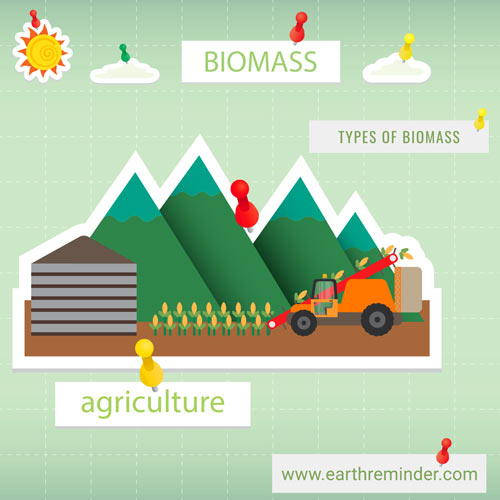
Supporting Local Economies: Biomass projects often rely on locally sourced materials – think farmers providing crop residues or foresters managing woodlots. This creates jobs and keeps money circulating within the community, which is always a good thing. It's like a local power-up for your town!
Carbon Neutral-ish (Hold on, We’ll Explain): Here’s where things get a little tricky. Burning biomass releases carbon dioxide, just like burning fossil fuels. However, plants absorb CO2 from the atmosphere as they grow. The idea is that burning biomass releases the same CO2 that the plants absorbed, creating a sort of closed loop. It's like a carbon yo-yo! The “ish” comes in because things like transporting the biomass and processing it use energy, often from fossil fuels, so it’s not perfectly carbon neutral.
The Not-So-Good Stuff: Biomass Energy's Kryptonite
Now, for the downsides. Every hero has a weakness, and biomass is no exception:
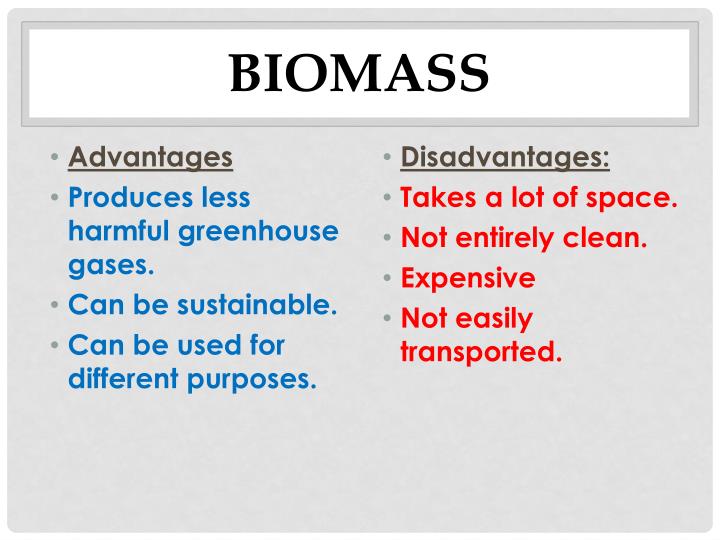
Air Pollution: Burning biomass, even with modern technology, can release pollutants into the air, like particulate matter and nitrogen oxides. These pollutants can contribute to respiratory problems and smog. Nobody wants to breathe funky air!
Deforestation: If not managed sustainably, using wood for biomass can lead to deforestation, which can have devastating consequences for biodiversity and climate change. Imagine squirrels losing their homes and the planet losing its lungs. Not cool, man, not cool.
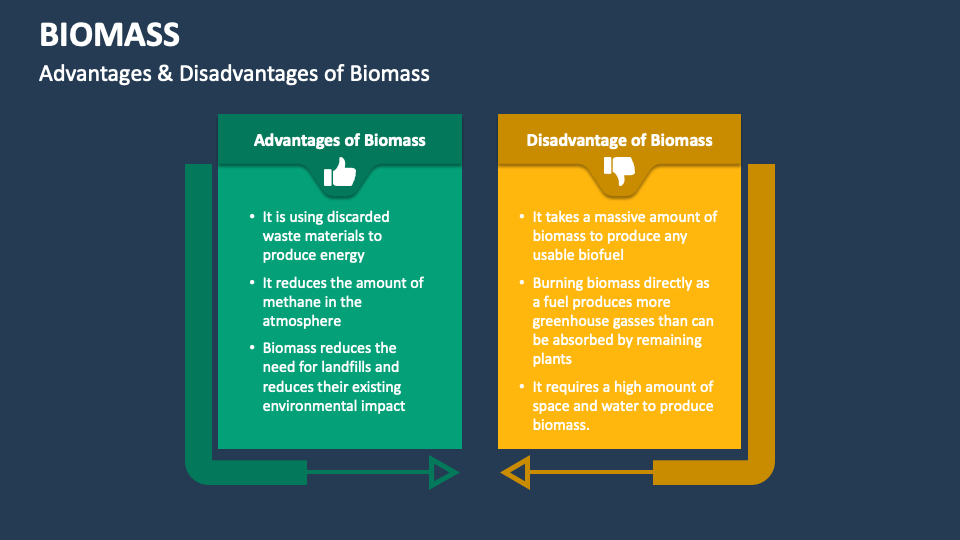
Land Use: Growing crops specifically for biomass energy (like switchgrass or corn) can take up valuable land that could be used for food production. That's a delicate balancing act – do we feed people or power their homes? Tough call.
Efficiency: Converting biomass into energy isn’t always the most efficient process. Some of the energy gets lost along the way, which means we need more biomass to generate the same amount of electricity as, say, natural gas. It’s like trying to fill a leaky bucket – you need to pour in more to get the same amount out.
The Verdict: Is Biomass Energy a Hero or a Villain?
So, is biomass energy a superpowered solution or a villain in disguise? The answer, as always, is complicated. When done right – sustainably sourced, efficiently processed, and with strict pollution controls – biomass can be a valuable part of a diverse energy mix. When done wrong – clear-cutting forests and polluting the air – it can be a disaster.
Think of biomass energy as a tool. A hammer can build a house or break a window, depending on how you use it. It all comes down to responsible management and a healthy dose of common sense. Maybe, just maybe, with careful planning and a little bit of luck, we can harness the power of plants to create a cleaner, more sustainable future. And who knows, maybe someday we'll all be powering our homes with our old banana peels (though we're not quite there yet!). But hey, a guy can dream, right?
In conclusion, the key takeaway about biomass energy is that it possesses the potential to play a key role in the energy mix, but it requires responsible management in practice to achieve its goals.