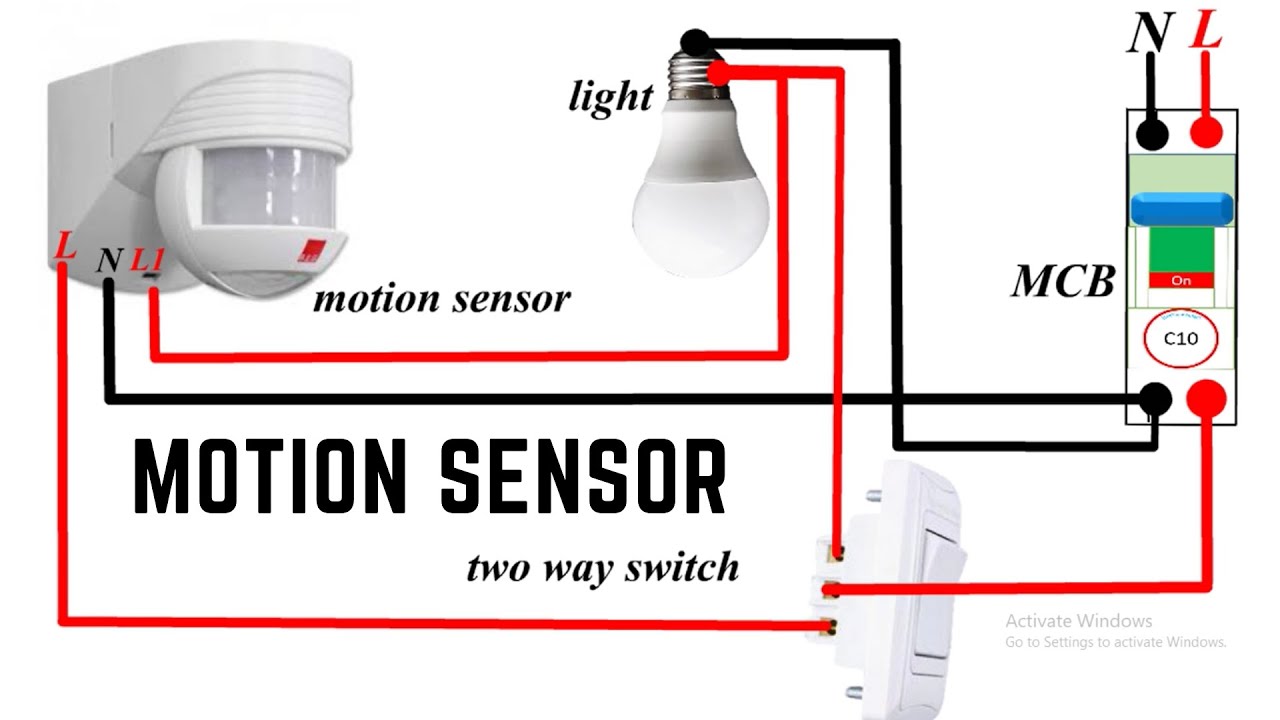
Adding Motion Sensor To Existing Light

You know that moment. You walk into the garage, arms laden with groceries, a backpack, and possibly a small, bewildered cat you accidentally carried in. It’s dark. Pitch black. You have to perform a balletic pirouette, all while balancing your precious cargo, to hit that elusive light switch. Or maybe it’s the pantry, where you practically need a search party and a flashlight app just to find the peanut butter. Sound familiar? We’ve all been there, doing the darkness dance – a complicated routine involving stumbling, fumbling, and occasionally, a whispered expletive.
Well, my friends, what if I told you there’s a simple trick to banish the darkness dance forever? A little piece of modern magic that doesn't involve rewiring your entire house or hiring an electrician named Sparky (unless you want to, Sparky's a good guy). I'm talking about adding a motion sensor to your existing lights. Yes, the very ones you already have!
The Annoying Antics of the Dark
Let's be real, life is full of tiny annoyances that, individually, are no big deal, but together, they form a symphony of "ugh." Fumbling for the light switch when your hands are full is definitely in that orchestra. It’s like playing a game of Marco Polo with your furniture, except you’re always "it" and the furniture keeps winning by giving you stubbed toes. Or maybe you've got that one light in the laundry room that always gets left on because who remembers to turn it off after wrestling with a mountain of socks? Not me, that's for sure. My electricity bill silently weeps.
Must Read
Enter the Motion Sensor: Your Light's Personal Butler
Imagine this: you stroll into the garage, hands full of gardening tools and a muddy dog. Instead of doing the aforementioned pirouette, poof! The light comes on. Automatically. No button pushing, no frantic groping, just light. It’s like your house just gave you a high-five. This isn't just for fancy security lights on the outside of mansions anymore. These clever little gadgets can be wired right into your existing indoor light fixtures, transforming them into intelligent, responsive illumination stations.
Think of it as giving your light fixture a pair of magical, all-seeing eyes. When those eyes detect movement – your movement – they send a little message to the light bulb saying, "Hey, human's here! Time to shine!" And just like that, light appears. It's not rocket science; it's just incredibly clever. And the best part? When you leave, after a set amount of time (which you can usually adjust, because we're all about customization here), the light bids you adieu and turns itself off. No more "Did I leave the pantry light on?" existential crises!

The "Why Didn't I Do This Sooner?" Moment
The benefits aren't just about avoiding bruised shins. It’s about effortless living. It’s about walking into your walk-in closet and having immediate visibility of your rogue sock collection. It’s about never having to ask a small child, "Did you turn off the basement light?" only to be met with a blank stare that clearly says, "What's a light switch?"
And let's not forget the subtle energy savings. No more lights burning bright for hours in an empty room because someone (definitely not me, honest!) forgot. The motion sensor is a vigilant guardian of your electricity bill, ensuring light is only used when and where it's needed. It's like having a tiny, frugal house elf managing your illumination.
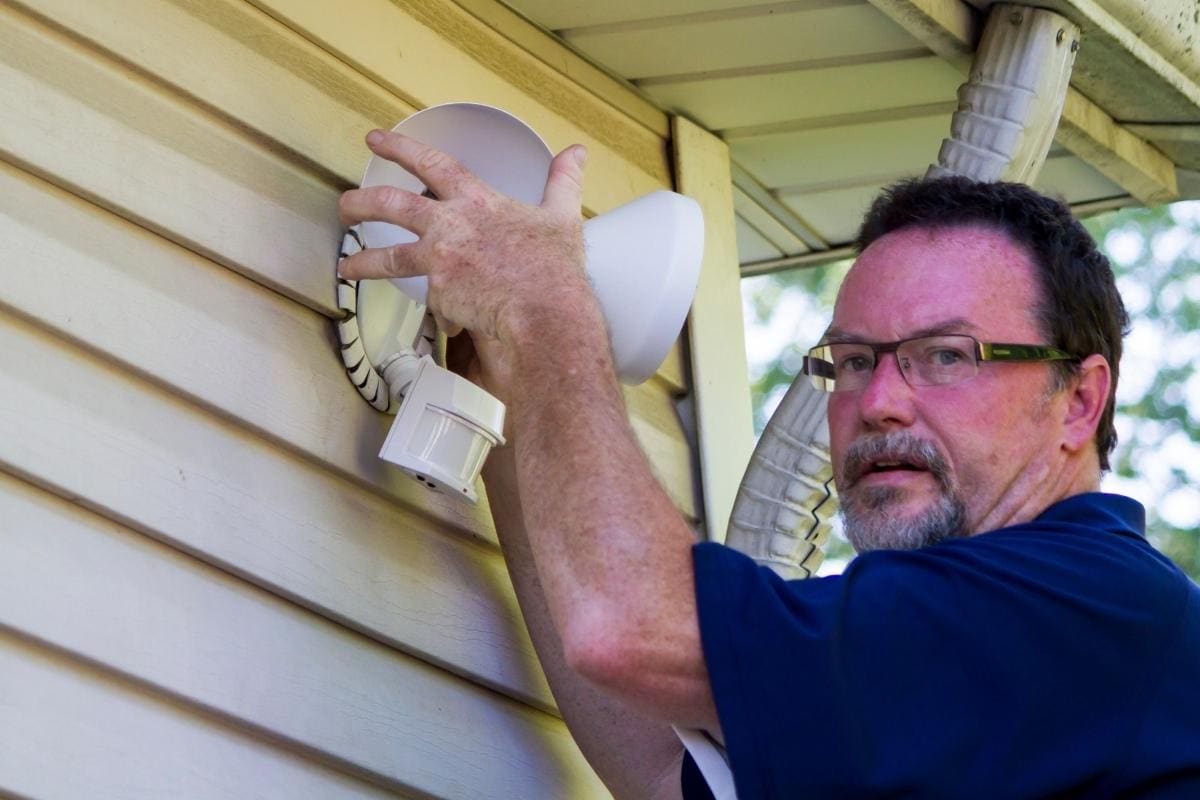
Plus, there's a certain futuristic coolness to it. Guests walk in, light magically appears, and you get to casually shrug and say, "Oh, that? Just the house being helpful." Instant impressiveness, zero effort. It makes your home feel just a little bit smarter, a little bit more intuitive, and a lot less likely to cause you to trip over the dog in the dark.
Easier Than You Think (Probably)
Now, before you picture yourself wrestling with a spaghetti junction of wires, take a deep breath. Adding a motion sensor to an existing light can be surprisingly straightforward. Often, it involves simply replacing an existing switch with a motion-sensing one, or in some cases, screwing in a special adapter bulb or sensor unit. While a quick peek at the instructions (or a YouTube video from someone who actually knows what they're doing) is always a good idea, it's generally not a "call an electrician and sacrifice a weekend" kind of job. It's more of a "thirty minutes and a screwdriver" kind of vibe.
So, if you're tired of doing the tango with your light switches, or if your pantry always feels like a spelunking expedition, consider giving your existing lights a brain upgrade. It’s a small change that brings a surprisingly large amount of convenience, safety, and a touch of effortless cool to your everyday life. Go on, embrace the future of hands-free illumination. Your shins (and your electricity bill) will thank you.