
Accumulated Depreciation Equipment Is Shown As
Let's face it, nobody gets excited about depreciation. It sounds dry, accountant-y, and about as thrilling as watching paint dry. But stick with me, because understanding where "Accumulated Depreciation Equipment" shows up on financial statements is actually surprisingly useful. Think of it like understanding how your car loses value over time. You might not love thinking about it, but it helps you make smarter decisions down the road!
So why should you care? Well, knowing how depreciation works gives you a better picture of a company's true financial health. It's not just about the cash they have in the bank; it's about understanding the wear and tear on their assets, like equipment, vehicles, or buildings. This understanding is especially crucial if you're considering investing in a company, lending them money, or even just evaluating the stability of your employer. Ignoring depreciation is like only looking at the sticker price of a car and completely ignoring the fact that it's got 200,000 miles on it.
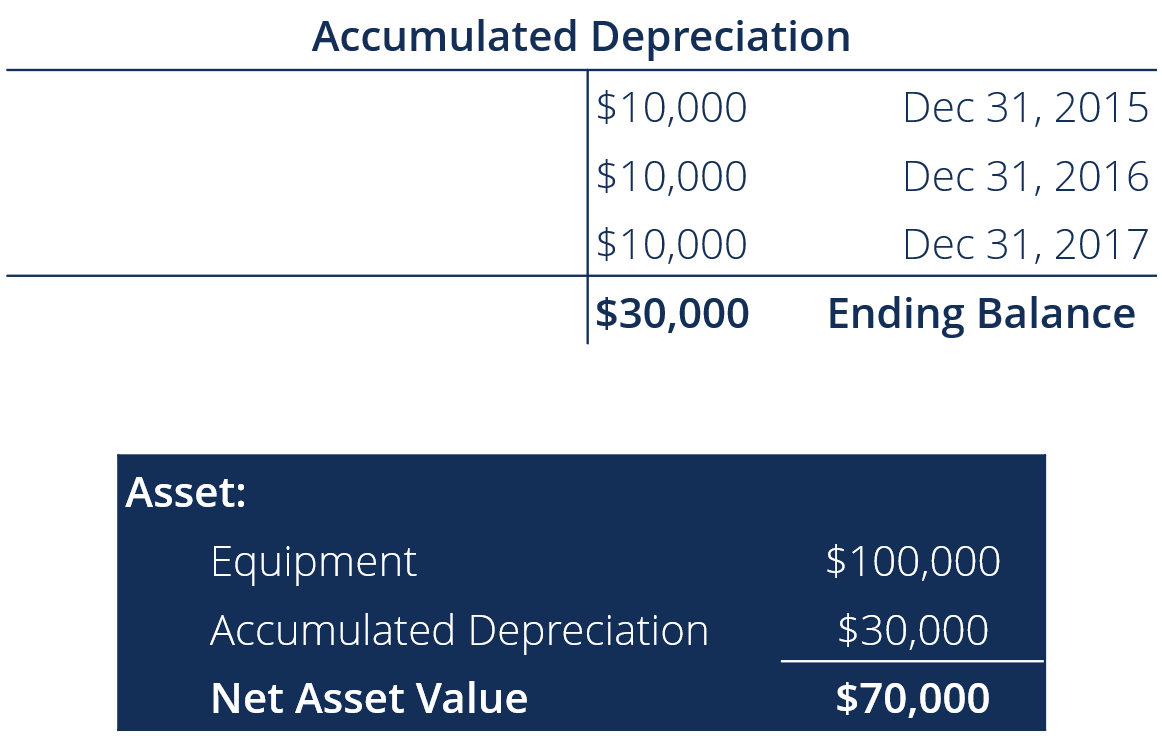
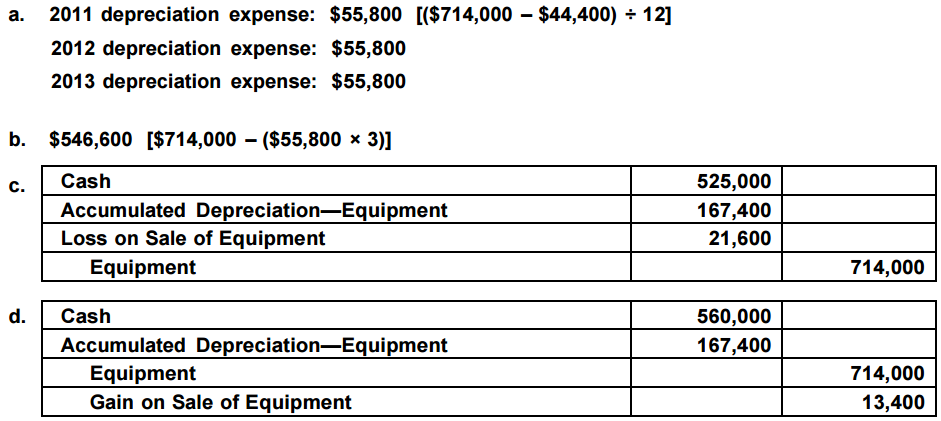
Now, where does this "Accumulated Depreciation Equipment" actually show up? It's primarily found on the balance sheet. Specifically, it's a contra asset account. This means it reduces the reported value of the related asset. Think of it like this: the equipment might be listed at its original purchase price (the historical cost), but the accumulated depreciation shows how much of that value has been used up over time. So, if a company owns a machine that originally cost $100,000, and it has accumulated depreciation of $60,000, the net book value (the value on the balance sheet) of that machine would be $40,000.
Must Read
You see this principle applied all the time. Construction companies depreciate their heavy machinery, airlines depreciate their airplanes, and manufacturers depreciate their factory equipment. Even a small business with just a computer and a printer will depreciate those assets over their useful life. It's a fundamental accounting principle designed to match the cost of an asset to the revenue it helps generate.
So, how can you use this knowledge more effectively? Here are a few tips:
- Look Beyond the Headlines: When analyzing a company's financial statements, don't just focus on the revenue and profit. Pay attention to the accumulated depreciation to get a sense of how old and used their assets are. A company with a lot of accumulated depreciation might need to invest heavily in new equipment soon.
- Compare to Competitors: Look at the accumulated depreciation of similar companies in the same industry. Are they investing more in new equipment? Is one company's depreciation significantly higher than another's? This could indicate different investment strategies or varying asset management practices.
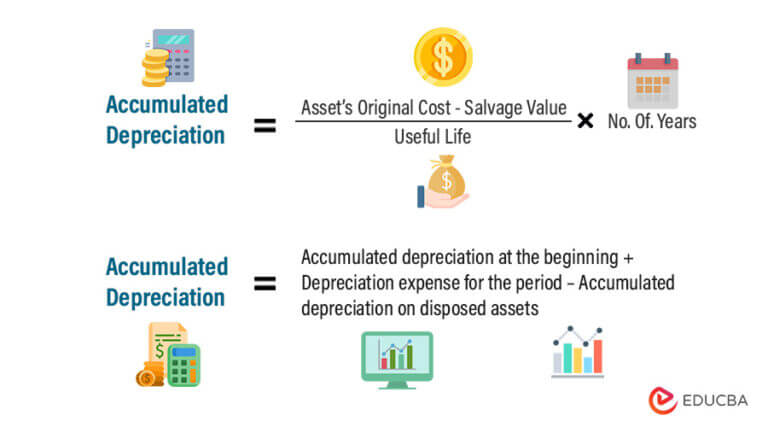
- Understand the Depreciation Method: Different depreciation methods (straight-line, declining balance, etc.) can affect the amount of depreciation recognized each year. Understanding the method a company uses can help you interpret their financial statements more accurately.
- Consider the Big Picture: Accumulated depreciation is just one piece of the puzzle. Use it in conjunction with other financial metrics to get a complete understanding of a company's financial health.
Ultimately, understanding where "Accumulated Depreciation Equipment" appears on a financial statement is a valuable tool for making informed decisions. It allows you to see beyond the surface numbers and gain a deeper understanding of a company's financial position and its long-term prospects. So, embrace the "dry" topic of depreciation – it’s your secret weapon to financial literacy!

:max_bytes(150000):strip_icc()/dotdash_Final_Why_is_Accumulated_Depreciation_a_Credit_Balance_Jul_2020-01-34c67ae5f6a54883ba5a5947ba50f139.jpg)