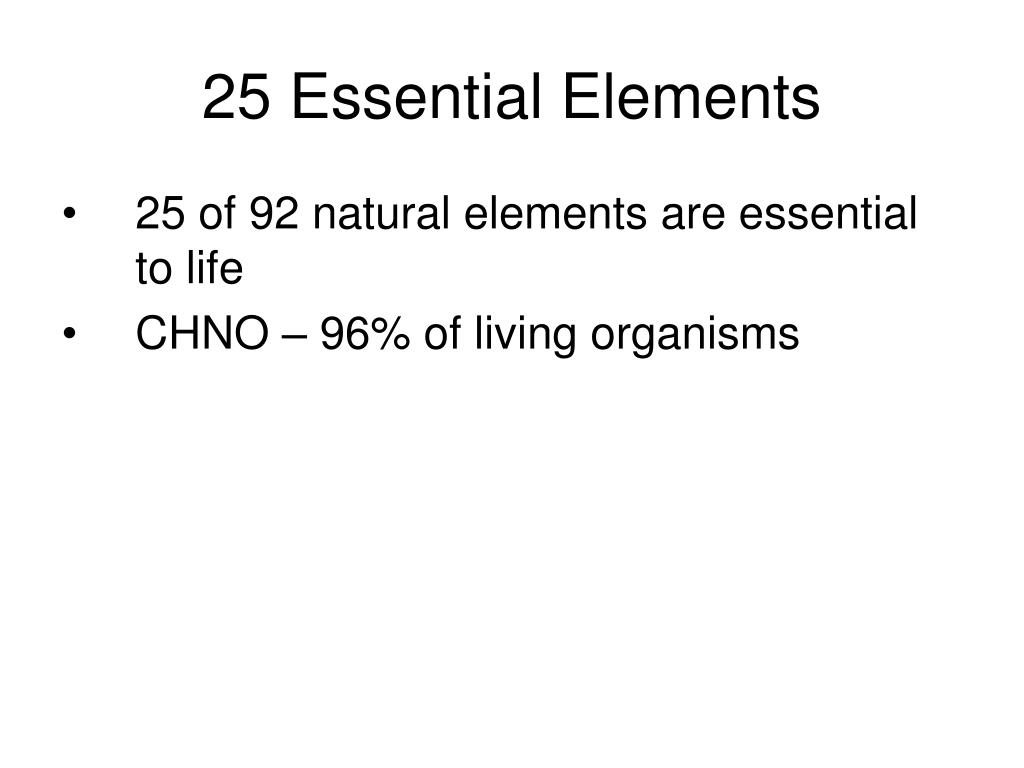
About 25 Of The 92 Natural Elements

Ever wondered what the world is really made of? We're not talking about abstract concepts like love or justice, but the actual building blocks, the fundamental ingredients that make up everything from your phone to the stars. These are the elements, and while the periodic table might seem like a daunting chart from your school days, diving into the fascinating world of even a handful of the 92 naturally occurring ones can be surprisingly fun and illuminating. Knowing about these elements isn't just about acing a science test; it's about understanding the very fabric of reality!
Let's explore about 25 of these elemental wonders. We'll start with the obvious: Oxygen. Without it, well, we wouldn’t be here! It’s not just for breathing; it’s crucial for combustion and countless chemical reactions. Then there’s Hydrogen, the most abundant element in the universe and a key component of water (H2O). Think about the potential of hydrogen fuel – a clean energy source of the future! We can't forget Carbon, the backbone of all organic life. It forms incredibly complex molecules that make up our DNA, proteins, and everything else that makes us, us.
Moving onto some metals: Iron, essential for our blood (hemoglobin) and the production of steel, which builds our skyscrapers and cars. Aluminum, lightweight and strong, used in everything from airplanes to soda cans. Copper, a fantastic conductor of electricity, found in wiring and plumbing. And let's not forget Gold, cherished for its beauty and used in electronics for its excellent conductivity and resistance to corrosion. Silver, another precious metal, is used not only in jewelry but also in medicine due to its antibacterial properties.
Must Read
Other crucial elements include Nitrogen, vital for plant growth and used in fertilizers. Phosphorus, important for DNA and bone health. Calcium, another bone-building superstar, also crucial for muscle function. Sodium and Potassium, electrolytes that help regulate our body fluids and nerve function. Chlorine, used to disinfect water and in the production of many chemicals. Sulfur, found in proteins and used in the production of sulfuric acid, a vital industrial chemical.
Here's where things get a bit more specialized but equally fascinating: Silicon, the basis of computer chips, enabling the digital revolution. Titanium, incredibly strong and lightweight, used in aerospace and medical implants. Magnesium, essential for enzyme function and used in alloys for its lightweight properties. Zinc, important for immune function and used in sunscreens. Fluorine, added to toothpaste to prevent cavities. Helium, a noble gas used to inflate balloons and cool down superconducting magnets. Neon, famous for its bright orange glow in advertising signs. Argon, another noble gas used in light bulbs to prevent filament oxidation.

Finally, we'll touch upon a few elements with a bit of a reputation: Uranium, used in nuclear power plants. Lead, once used in paint and gasoline, now known for its toxicity. Mercury, a liquid metal, also known for its toxicity and used in some thermometers (though less common now). These elements highlight the importance of understanding both the benefits and risks associated with different elements. Consider how the properties of each element dictate its uses and potential dangers.
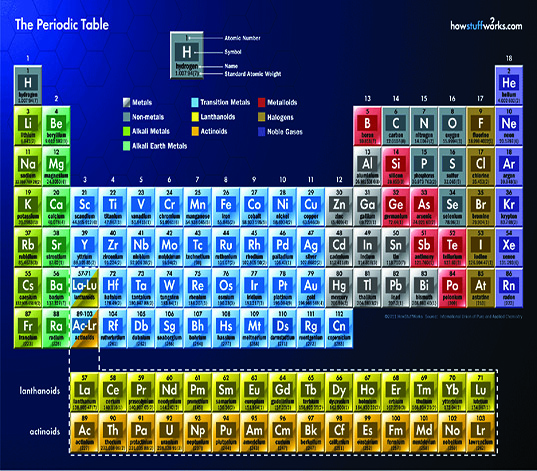
So, how can you explore these elements further? A great start is simply revisiting the periodic table. Look at where each element is found in your home. Check the ingredients lists of foods and supplements – you'll often see the chemical symbols for essential elements like iron (Fe) and calcium (Ca). Even something as simple as reading about the history of each element can be surprisingly engaging. For example, why was Radon named after the sun god Ra? You could also try a fun experiment, like growing crystals of Epsom salts (magnesium sulfate) to see the elements in action! The world of elements is all around us, waiting to be explored.