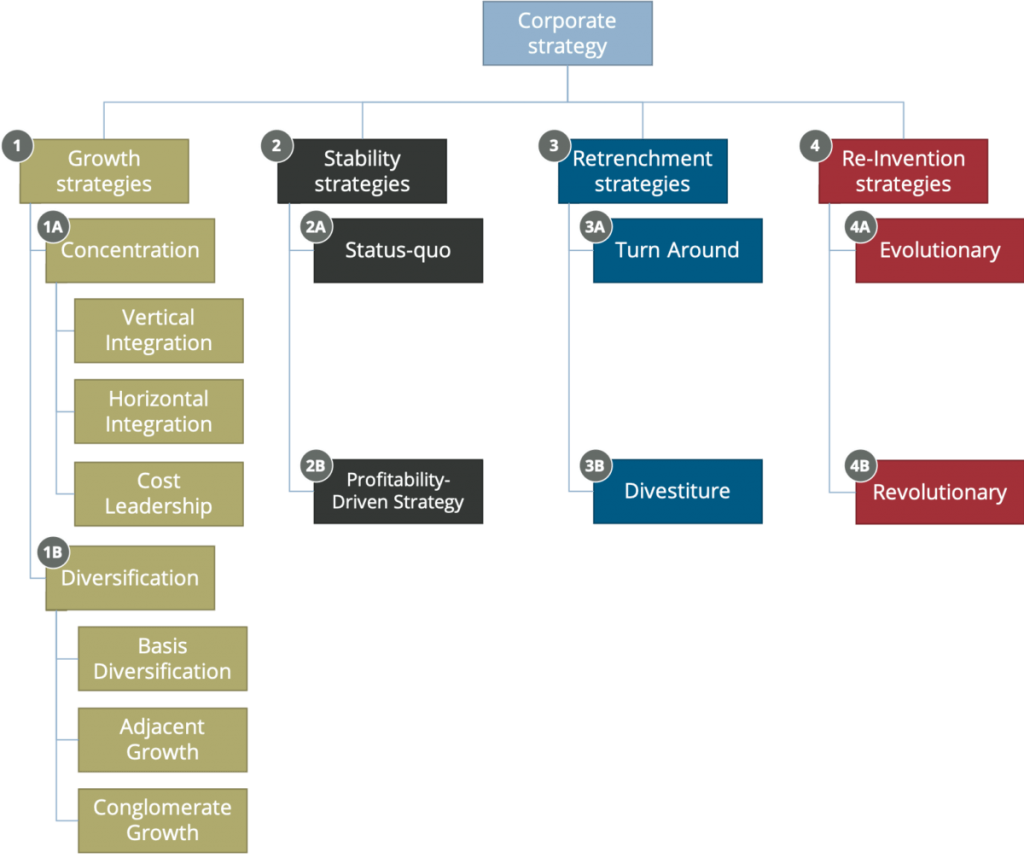
A Company's Strategy Is Defined By

Ever wonder why some companies seem to effortlessly glide to success while others stumble and fall? It's not just luck! It boils down to something incredibly important: their strategy. Think of it like a treasure map leading to success. A well-defined strategy acts as that map, guiding every decision and action a company takes.
But what exactly defines a company's strategy? It's more than just a mission statement or a list of goals. It's a comprehensive plan that outlines how a company intends to achieve its objectives. It's the "secret sauce" that differentiates a company from its competitors and allows it to carve out its own niche in the market.
So, let's break down the key ingredients that define a company's strategy:
Must Read
First and foremost, it's the company's vision and mission. What is the company's ultimate dream? What problem are they trying to solve for the world? The vision provides the long-term direction, while the mission clarifies the company's purpose and how it will achieve its vision. Think of it as the North Star guiding the ship.
Next, a company's strategy is heavily influenced by its values. These are the core principles that guide the company's behavior and decision-making. Are they committed to sustainability? Do they prioritize customer service above all else? A company's values shape its culture and influence how it interacts with its employees, customers, and the wider community.
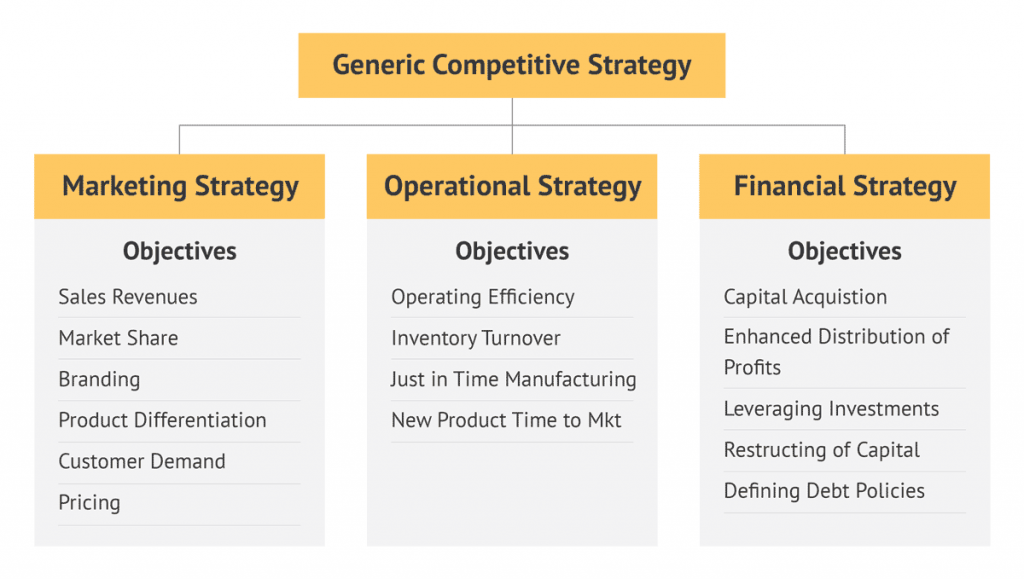
Another crucial element is understanding the target market. Who are they trying to reach? What are their needs and desires? A well-defined strategy focuses on serving a specific group of customers and tailoring its products and services to meet their unique requirements. You can't be everything to everyone!
Furthermore, a successful strategy requires a deep understanding of the competitive landscape. Who are the company's rivals? What are their strengths and weaknesses? A good strategy identifies opportunities to differentiate the company from its competitors and gain a competitive advantage.

Of course, a company's strategy also includes its tactics and actions. These are the specific steps the company will take to achieve its goals. This could include things like developing new products, entering new markets, or launching marketing campaigns. Tactics are the "how" in relation to the overall strategy.
Ultimately, a company's strategy is defined by the interplay of all these factors. It's a dynamic process that requires constant monitoring and adaptation. The benefit of having a well-defined strategy is that it provides a clear roadmap for success. It helps companies make informed decisions, allocate resources effectively, and stay focused on their goals. It empowers teams to work together towards a shared vision and to navigate challenges with confidence. So, the next time you see a company achieving great things, remember that behind the scenes, a well-defined strategy is likely playing a key role.