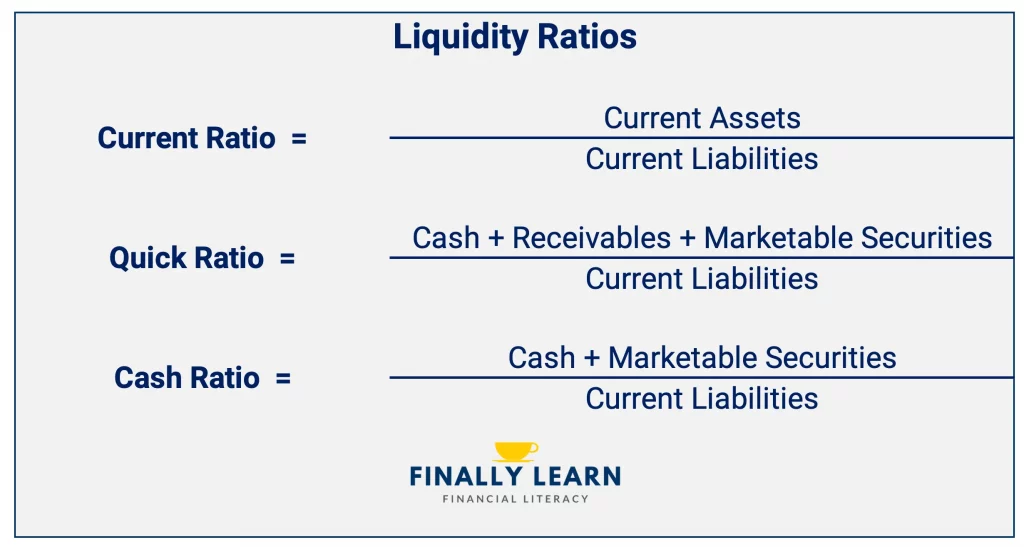
A Common Measure Of Liquidity Is

Ever feel like you're juggling a million things, and sometimes those things threaten to come crashing down? That feeling, my friends, is a bit like what businesses and even you experience with liquidity. Simply put, liquidity is all about how easily you can turn your possessions into cash when you need it. And a common way to measure this is the current ratio.
Think of it this way: Imagine you're planning a spontaneous weekend getaway. You've got your airline tickets on credit (we’ll call that a future bill, or liability!), and you need spending money. You check your pockets – a tenner! – your checking account – not much more! – and then you remember you have a practically new guitar collecting dust in the attic. That guitar? That’s an asset! Now, how fast can you turn that guitar into cold, hard cash to fuel your adventure?
The Current Ratio: Your Financial Quick Check
That's where the current ratio comes in. It's a simple calculation that gives you a snapshot of your short-term financial health. It compares your current assets (things you can turn into cash relatively quickly, like cash in the bank, money people owe you, and inventory) to your current liabilities (debts you need to pay in the near future, like bills and credit card balances).
Must Read
The formula is straightforward: Current Ratio = Current Assets / Current Liabilities.
Let’s say, for example, that shiny guitar could fetch you $200 pretty quickly. That becomes your primary “current asset”. But you also owe your friend $50 for concert tickets (a current liability!) Your current ratio would be $200/$50 = 4. A ratio above 1? Phew, you’re in a pretty good spot. Below 1? Things could get tricky!

Why Should You Care About This Ratio?
Okay, so you might be thinking, "I'm not running a multi-million dollar company, why should I care about this fancy ratio?" Well, even on a personal level, understanding the current ratio can be a lifesaver.
Imagine this: Your car breaks down. The repair bill is $500. Your checking account has $200, and your credit card is maxed out. You do, however, have some valuable collectibles. Let’s say a vintage baseball card and a stamp collection. Now, if your current liabilities (the car repair) outweigh your readily available current assets (the checking account), you've got a liquidity problem. You might have to scramble to sell those collectibles to cover the bill!
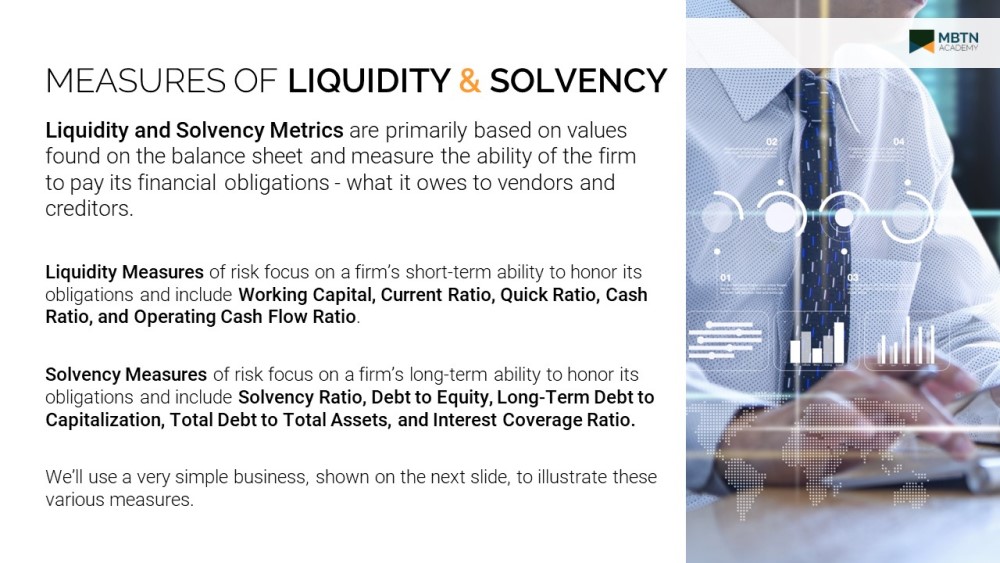
A healthy current ratio means you're less likely to be caught off guard by unexpected expenses. It gives you the financial breathing room to handle life's little curveballs. Think of it as a financial buffer.
The Business Angle (Just a Quick Peek!)
For businesses, the current ratio is even more crucial. It tells investors and lenders whether a company has enough liquid assets to cover its short-term debts. A high current ratio can signal financial stability, while a low one might raise red flags.

Think of a bakery. Their current assets might include cash, accounts receivable (money owed by customers), and inventory (flour, sugar, sprinkles galore!). Their current liabilities could be bills for supplies, rent, and employee wages. If the bakery has tons of ingredients but struggles to pay its suppliers, that's a sign of poor liquidity, and it could lead to trouble down the road.
Don't Obsess, Just Be Aware!
The current ratio isn't the be-all and end-all of financial health. It's just one piece of the puzzle. Don't obsess over it, but do be aware of it. It's a helpful tool to get a quick sense of whether you're prepared for life's little surprises.
So, the next time you find yourself facing an unexpected expense, remember the current ratio. Ask yourself, "How quickly can I turn my assets into cash to cover this?" By understanding this simple concept, you can take control of your financial well-being and navigate the ups and downs of life with a little more confidence. Now, go forth and conquer, armed with your newfound knowledge of liquidity!