
A Class D Fire Should Be Extinguished Using A
Alright, let's talk about something that sounds a bit… well, dry at first, but is actually super cool and surprisingly empowering: fire safety! I know, I know, your eyes might be glazing over already. But what if I told you that understanding how to tackle different types of fires is like gaining a secret superpower? It's not just about avoiding disaster; it's about being that person who knows what to do, who can stay calm, and who quite possibly makes life a whole lot smoother for everyone around them.
You’ve probably seen those red fire extinguishers around, right? And maybe you've heard whispers of "Class A," "Class B," "Class C" fires. Those are your everyday heroes: paper, liquids, electrical stuff. But then, my friends, there's a whole other beast. A mysterious, sparkling, and utterly demanding category that requires a special touch. We're talking about the magnificent, yet menacing, Class D fire.
What in the World is a Class D Fire?
Imagine metals. Not just any metals, mind you, but metals that decide they want to join the party and ignite. Think about things like magnesium, titanium, potassium, or sodium. These aren't your typical log-in-the-fireplace kind of flames. Oh no. These are exotic, temperamental, and frankly, a bit dramatic. They burn at incredibly high temperatures, often with blinding light, and they absolutely do not play by the usual rules.
Must Read
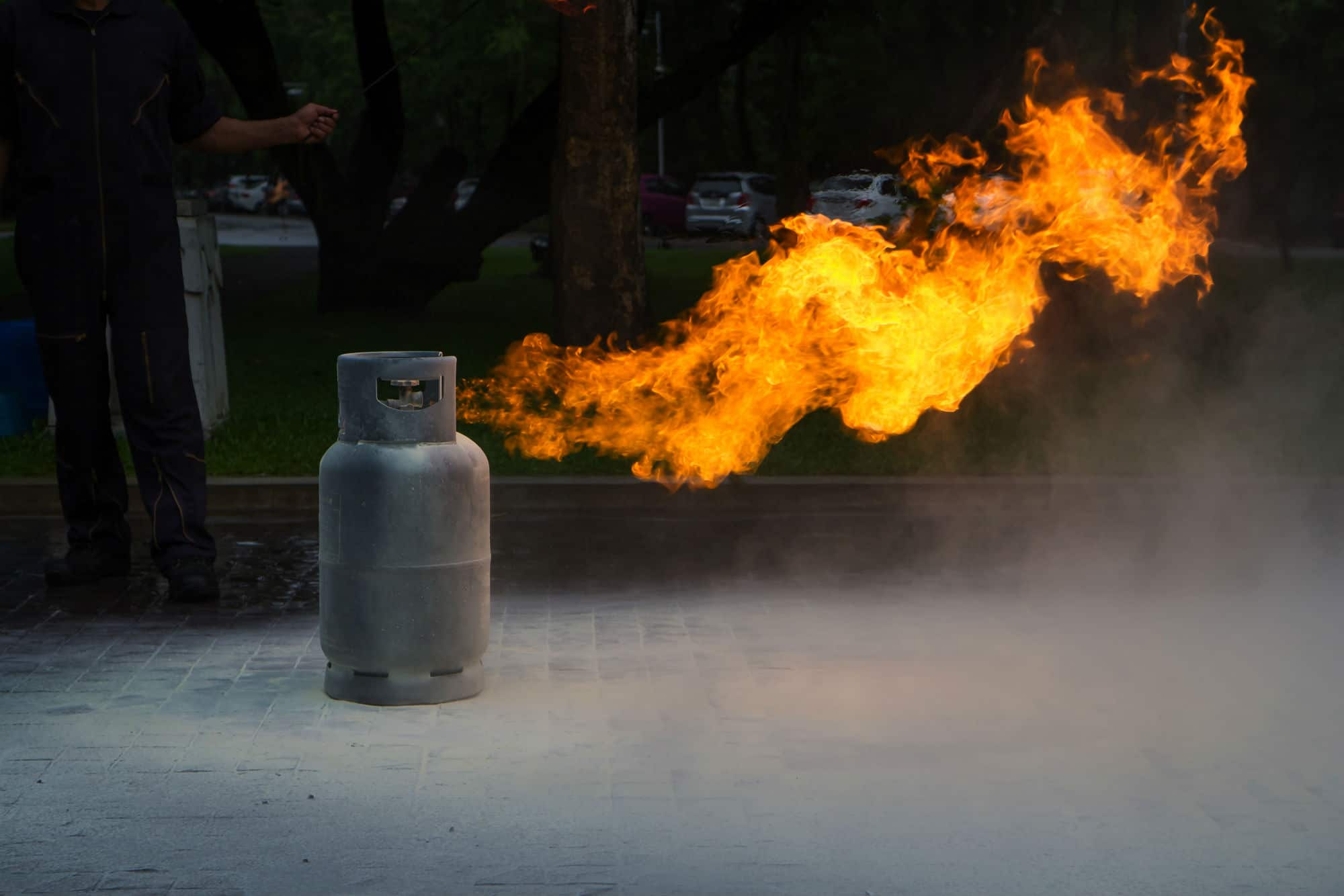
Ever tried putting out a grease fire with water? Bad idea, right? It just makes things explode and spread. Well, a Class D fire takes that "bad idea" and cranks it up to eleven! These are fires where pouring water on them isn't just ineffective; it can be incredibly dangerous, causing explosive reactions or making the fire even more intense. Yikes!
Why Your Everyday Extinguisher is a No-Go
This is where knowing your stuff becomes crucial, and dare I say, fun! Because if you encounter a Class D fire and reach for your standard ABC dry chemical extinguisher, you're going to have a bad time. Those common extinguishers are designed to interrupt the chemical reaction of ordinary fires or smother them. But for flaming metals? They often just don't cut it. In some cases, the chemicals in an ABC extinguisher can even react adversely with the burning metal, making the situation worse. It's like bringing a spoon to a sword fight.
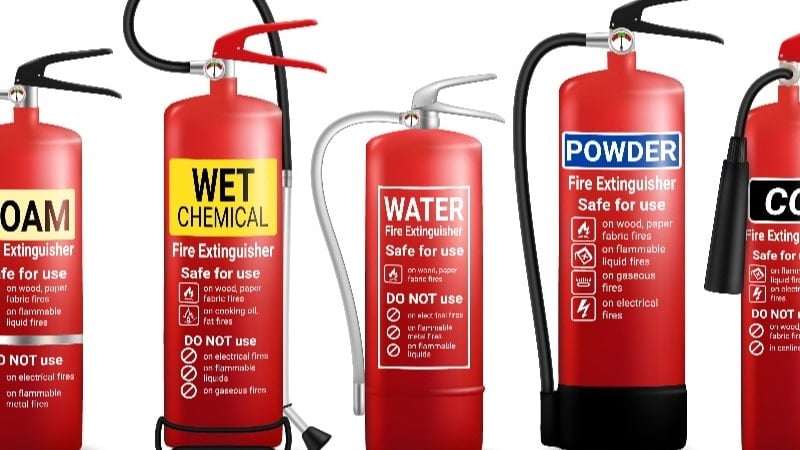
So, what’s the secret weapon? What’s the ultimate extinguisher for these flashy, metallic infernos? Get ready, because here's the magic phrase:
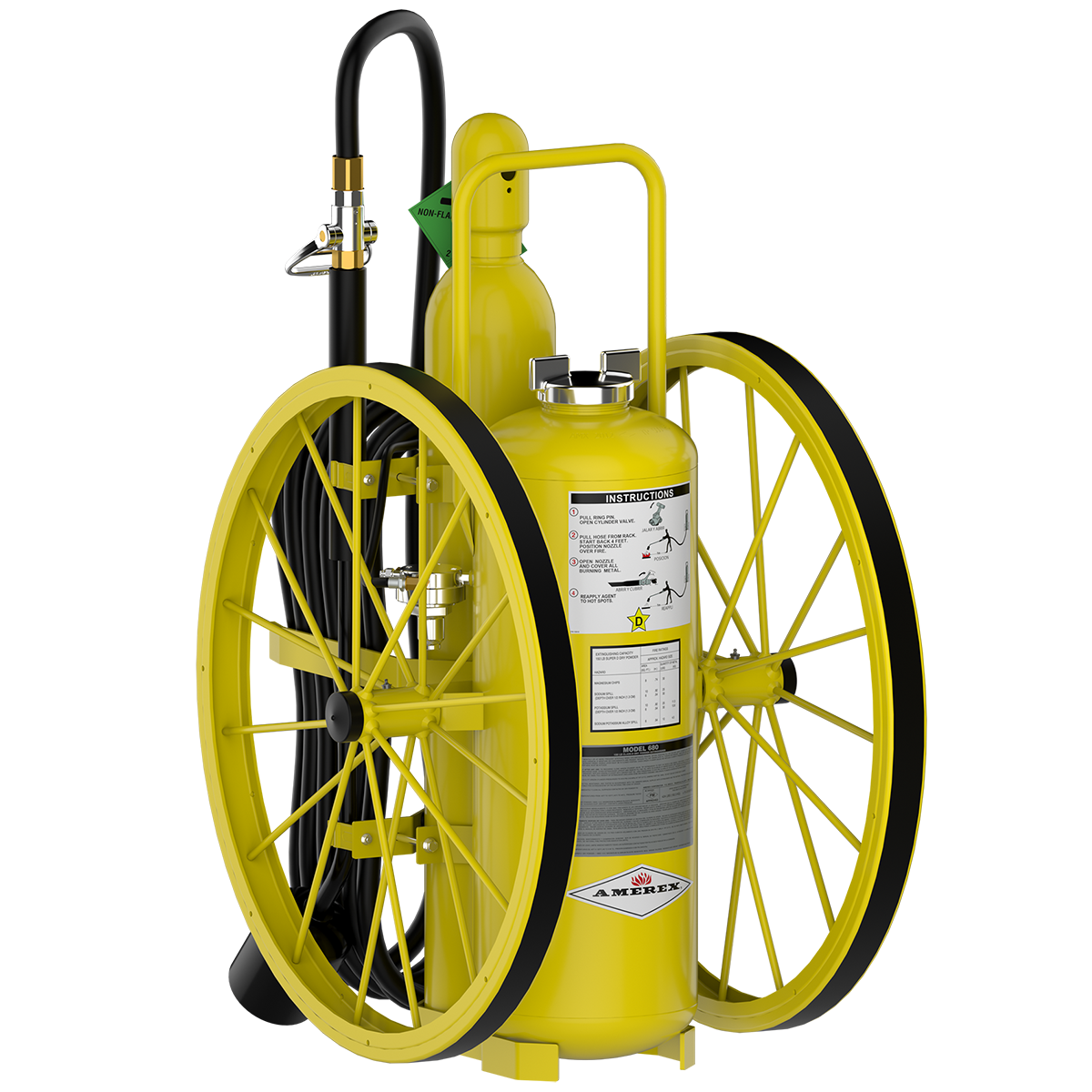
A Class D fire should be extinguished using a dry powder or metal fire extinguisher.
There it is! The answer to our fiery riddle. But let's dig a little deeper into why this specific tool is the hero.

Meet the Hero: The Dry Powder Extinguisher
These aren't just any old powders. These specialized extinguishers contain agents like sodium chloride, graphite, or copper powder. And they work wonders! Instead of trying to cool the fire (which is almost impossible with burning metals) or interrupt a typical chemical chain reaction, these powders get to work in a different, very clever way.
When applied to a Class D fire, the dry powder literally smothers the flames. It forms a crust over the burning metal, separating it from the oxygen it needs to survive. Think of it like putting a really thick, non-flammable blanket over the fire. This not only cuts off the oxygen supply but also helps absorb some of that intense heat, bringing the whole fiery drama to a safe, controlled halt.
Knowing this isn't just trivia; it's the kind of knowledge that can save the day. It means you understand the unique chemistry at play, and you know not to make a bad situation catastrophically worse. How cool is that?

Where Might You Encounter Such a Fire?
You might be thinking, "When am I ever going to see burning magnesium?" And while Class D fires are less common in your average kitchen, they pop up in some pretty interesting places. Think about industrial settings, laboratories, machining shops where metal dust or shavings might ignite, or even in some advanced manufacturing environments. If you're into metalworking as a hobby, or ever visit places where these metals are used, this knowledge suddenly becomes incredibly relevant!
Being aware of these specialized risks doesn't make you paranoid; it makes you prepared. It makes you someone who observes their surroundings with a little more insight, a little more wisdom. You become a mini-expert, capable of recognizing a specific danger and knowing the precise, correct solution. That’s not just practical; it’s genuinely inspiring!
The Joy of Knowing More
Learning about something as specific as extinguishing a Class D fire might seem niche, but it truly underscores a broader, more joyful truth: the more you learn, the more empowered you become. Every piece of practical knowledge, no matter how specific, adds another tool to your mental toolkit. It builds confidence, reduces fear, and equips you to handle the unexpected twists and turns life throws your way.
Imagine being in a situation where such a fire erupts. While others might panic or grab the wrong extinguisher, you, armed with your newfound wisdom, would know exactly what to look for, what to avoid, and what specialized equipment is needed. You’ll be like, "Hold my soda, I got this!" (Okay, maybe don't actually hold a soda near a fire, but you get the idea!). That feeling of capability? That's what makes life fun and exciting!
So, the next time you see a specialized fire extinguisher—maybe a yellow one labeled "Class D"—you won't just walk past it. You'll give it a knowing nod, recognizing it as a hero designed for a very specific, very important job. You'll understand the science, the danger, and the elegant solution. And that, my friends, is a truly wonderful feeling.
Go forth, curious minds, and ignite your passion for preparedness! Learn more about fire safety, first aid, or any other practical skill that sparks your interest. Because every bit of knowledge you gain makes you more resilient, more capable, and ultimately, helps you live a fuller, more confident life. Who knew fire safety could be so inspiring? Now you do!