
8.1 Trends In Human Population Growth
Hey! Grab your coffee, let’s chat about people. Lots and lots of people, actually. Specifically, where we’re headed in terms of, you know, population. Ever wonder how many of us will be crammed onto this little blue marble in a few decades? Well, buckle up!
The Big Picture: More is More (For Now)
Okay, so here’s the gist: the human population is still growing. Yep, despite what your grumpy uncle might say about there being 'too many people already,' we're still adding more every year. But, (and this is a BIG but!) the rate of growth is slowing down. It's like we're running a marathon, but we're getting a bit winded around mile 20. You feeling me?
Back in the day (think like, mid-20th century), the population growth rate was, like, whoosh! It was super high. Now? Not so much. We're not exploding onto the scene quite as dramatically. Thank goodness, right? I mean, where would we put everyone?!
Must Read
Factors at Play: Why the Slowdown?
Alright, so why are we hitting the brakes on population growth? It's not like everyone suddenly decided to become hermits (although, after 2020, I wouldn't blame them!). Several things are happening simultaneously.
First up: Access to healthcare. Yep, as more people get access to medical care (especially for women), birth rates tend to go down. Better healthcare means more options and control over family planning. Makes sense, right?

Then there’s education. Specifically, educating girls and women. Studies have shown that when women are educated, they tend to have fewer children, and later in life. They also have more economic opportunities! Win-win, if you ask me.
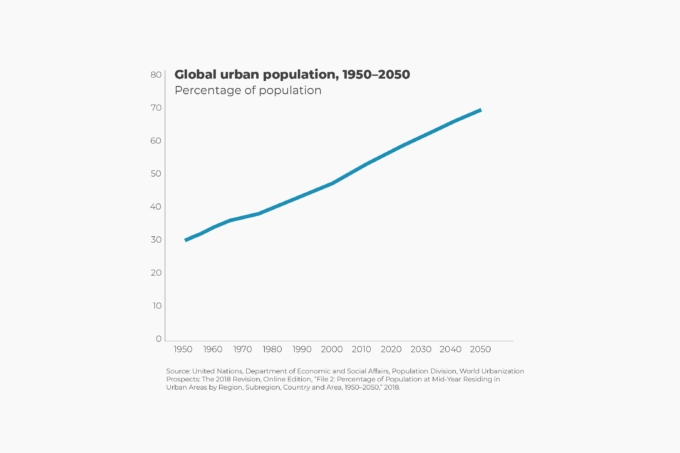
And let's not forget urbanization! People are moving to cities like crazy. Cities offer opportunities (and often, smaller living spaces!). Plus, raising kids in a bustling metropolis can be... well, expensive. So, folks in cities tend to have smaller families.
Regional Differences: A World of Variety
Now, before you go thinking this slowdown is happening everywhere, let's pump the brakes again. Population trends vary widely across the globe. Some regions are still experiencing rapid growth, while others are actually shrinking!
For instance, many countries in Africa are still seeing significant population increases. On the other hand, some countries in Europe and East Asia are facing the opposite problem: declining populations. Think about that for a sec. Fewer people? Is that even possible?!
These regional differences are driven by a complex mix of factors: culture, economics, government policies... you name it! It's a fascinating (and sometimes a little mind-boggling) area of study.
Looking Ahead: What's Next?
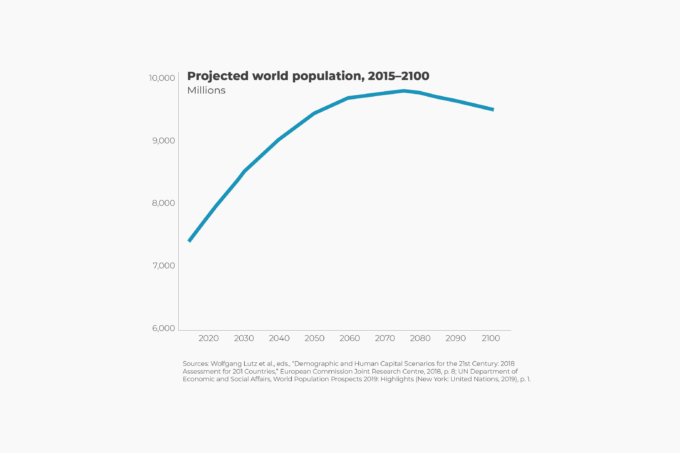
So, what does all this mean for the future? Well, experts are predicting that the global population will continue to grow for several more decades, likely peaking sometime around the mid-to-late 21st century. Think maybe 10 billion or so? Yikes!
But after that peak? Things get a little murkier. Some models predict a slow decline in population. Others suggest a more stable, plateau-like scenario. Honestly, it's anyone's guess!

One thing's for sure: how we manage population growth (and eventual decline in some areas) will have a HUGE impact on our planet. Think resource management, environmental sustainability, and even geopolitical stability. No pressure, right?
The key takeaway? Population trends are complex, dynamic, and interconnected with pretty much everything else. It's a topic worth paying attention to. So, next time you're at a party and the conversation lulls, casually drop something about global fertility rates. Trust me, you'll be the most interesting person there!
Alright, coffee's getting cold. Time for me to go contemplate the future of humanity (or, you know, maybe just watch some Netflix). Later!