
64 Grados Fahrenheit A Centigrados
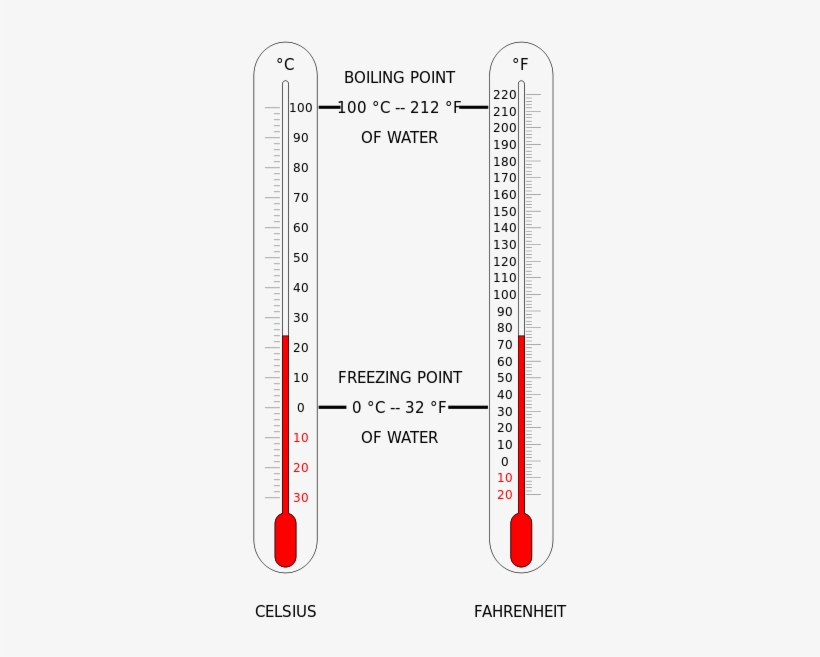
Okay, let's talk temperatures! Specifically, let's tackle the mysterious conversion of 64 degrees Fahrenheit into the much cooler and collected world of Celsius. Because, let's face it, Fahrenheit can be a bit… extra. Celsius is just more straightforward, like that friend who always tells you exactly what time it is, no fluff.
So, you're staring at your American thermostat, it proudly proclaims "64°F," and you're wondering, "What does that even MEAN in real-person temperature?" Well, buckle up, because we're about to decode it!
The Big Reveal: 64°F in Celsius
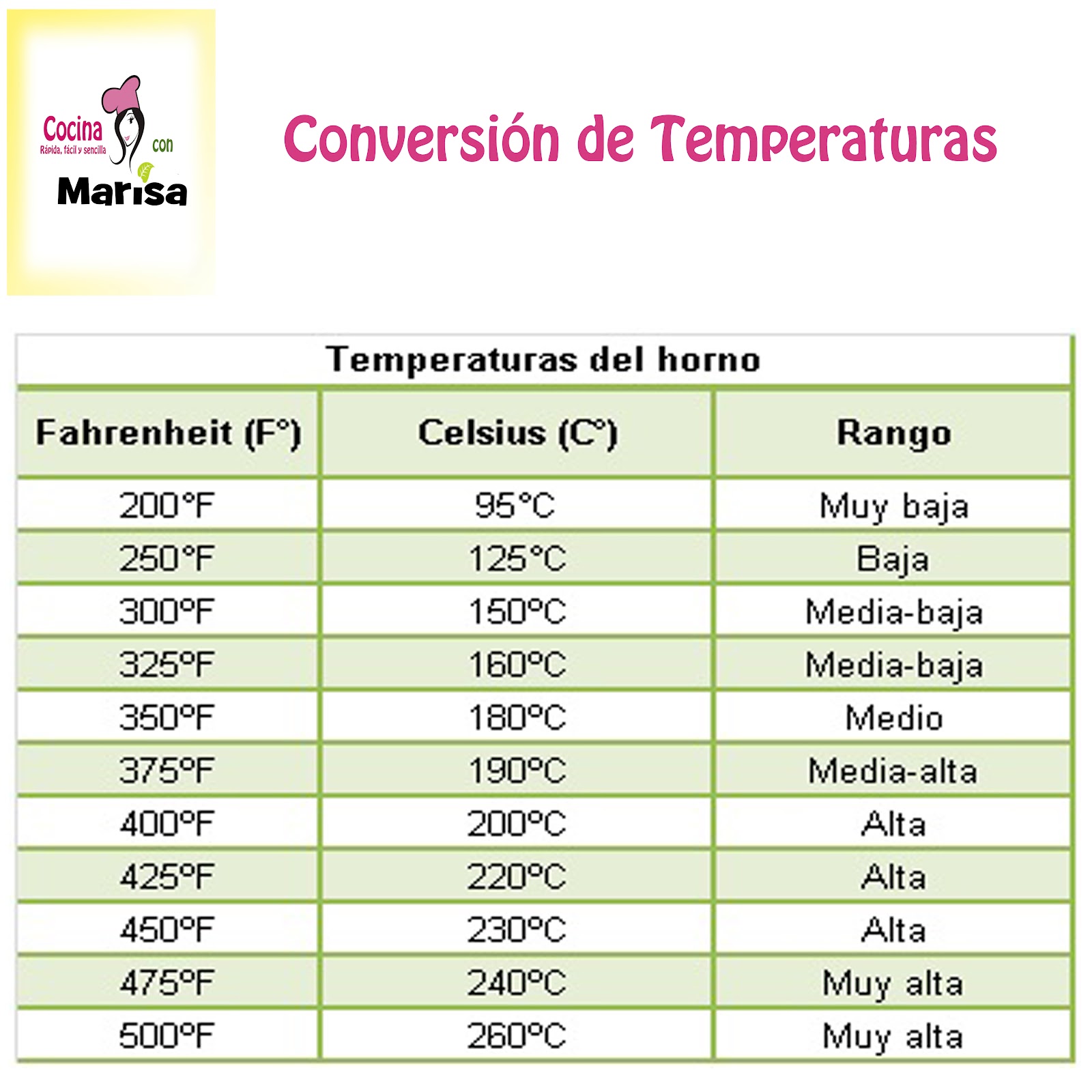
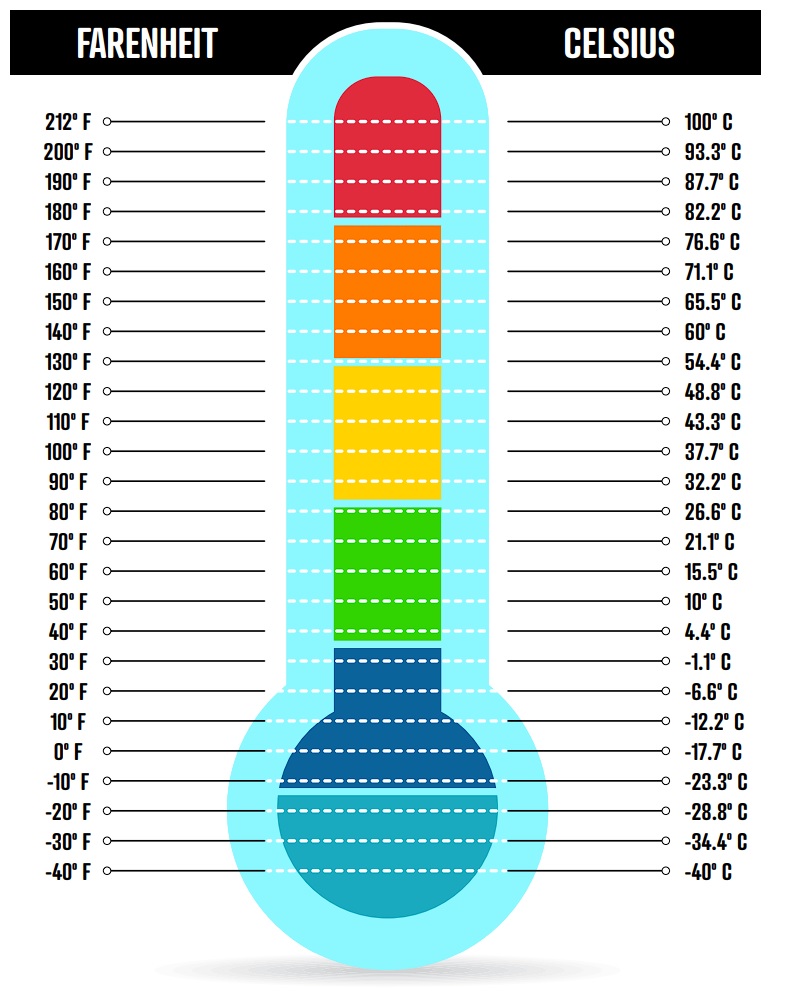
Drumroll, please! 64 degrees Fahrenheit is roughly equal to 17.8 degrees Celsius. Ta-da! Not as scary as you thought, right? I mean, we're not talking about melting glaciers here, but we're also not exactly talking about a polar bear picnic.
Must Read
Let's put that into perspective with some fun, totally-scientific-and-not-at-all-made-up examples:
Relatable Scenarios for 17.8°C (or 64°F)
Imagine this: You're at a baseball game in early spring. The sun is peeking out, but you’re still glad you brought a light jacket. That's 64 degrees Fahrenheit. You’re not freezing, but you're definitely not rocking shorts and a t-shirt (unless you're one of those superhuman people who are immune to cold... we all know one!).
Or picture this: You’re enjoying a pleasant evening walk. The air is crisp and refreshing. You can smell the freshly cut grass, and you might even see a few fireflies blinking in the distance. Again, hello 64 degrees Fahrenheit. It's the kind of temperature that makes you want to take deep breaths and appreciate the simple things in life.
And how about this: You're sipping iced tea on your porch. The sun is setting, and a gentle breeze is rustling through the trees. You feel relaxed and content. Yep, you guessed it: 64 degrees Fahrenheit is contributing to that feeling of pure bliss!

See? 64 degrees Fahrenheit (or 17.8 degrees Celsius) isn't some abstract, mathematical concept. It's a feeling! It's the feeling of comfort, of gentle warmth, of being perfectly content with your surroundings.
Now, some of you might be thinking, "But what if I want to be REALLY precise? What if I need to know the exact decimal point of that Celsius conversion?"
Well, first of all, relax! Unless you're calibrating a hyper-sensitive scientific instrument, a general approximation is perfectly fine. But if you absolutely MUST have the exact number, then feel free to use a fancy online converter. Just remember to come back here for the fun, relatable examples!
But honestly, who needs complicated formulas and calculations when you have the power of association? From now on, whenever you see 64 degrees Fahrenheit, just remember: baseball games, evening walks, iced tea on the porch. It's all about creating a mental connection between the temperature and the experience.
Why This Matters (Kind Of)
Okay, maybe knowing the exact Celsius equivalent of 64 degrees Fahrenheit won't change your life. But understanding the relationship between Fahrenheit and Celsius can be super helpful when you're traveling abroad, or just chatting with friends from other countries. It can also help you understand recipes or science experiments that use Celsius.

Imagine being in Europe and someone tells you it's 20 degrees outside. Now you know, without even whipping out your phone, that it's a reasonably pleasant day – probably 68 degrees Fahrenheit, give or take. You're practically fluent in temperature! High five!
So, the next time you encounter 64 degrees Fahrenheit, don't be intimidated. Embrace it! Think of it as a reminder of all the good things in life: baseball, walks, iced tea, and the general feeling of being comfortably cozy. And remember, it's all thanks to the wonderful (and slightly less confusing) world of Celsius!
Now go forth and conquer the world, one temperature conversion at a time!