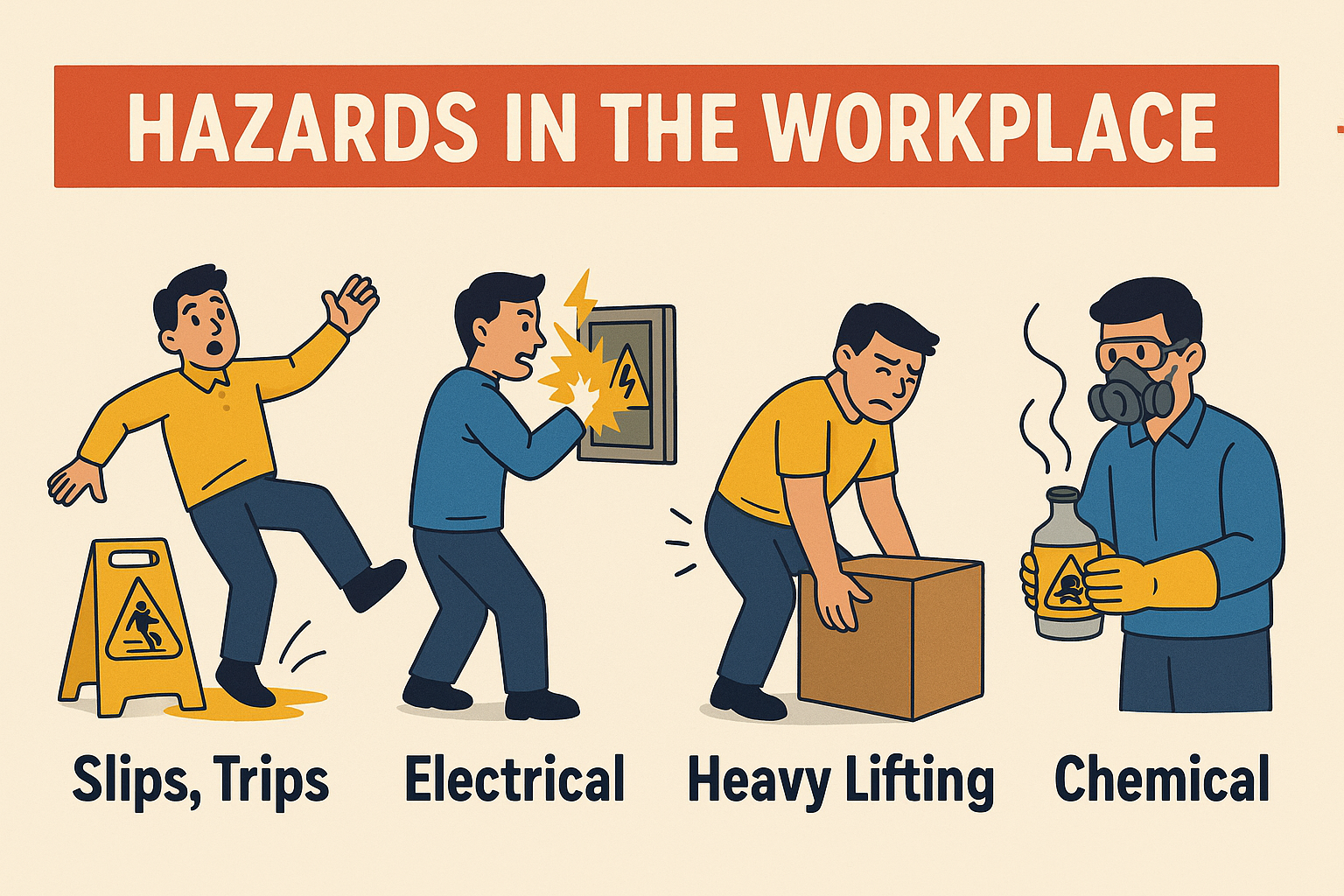
5 Ways To Identify Hazards In The Workplace
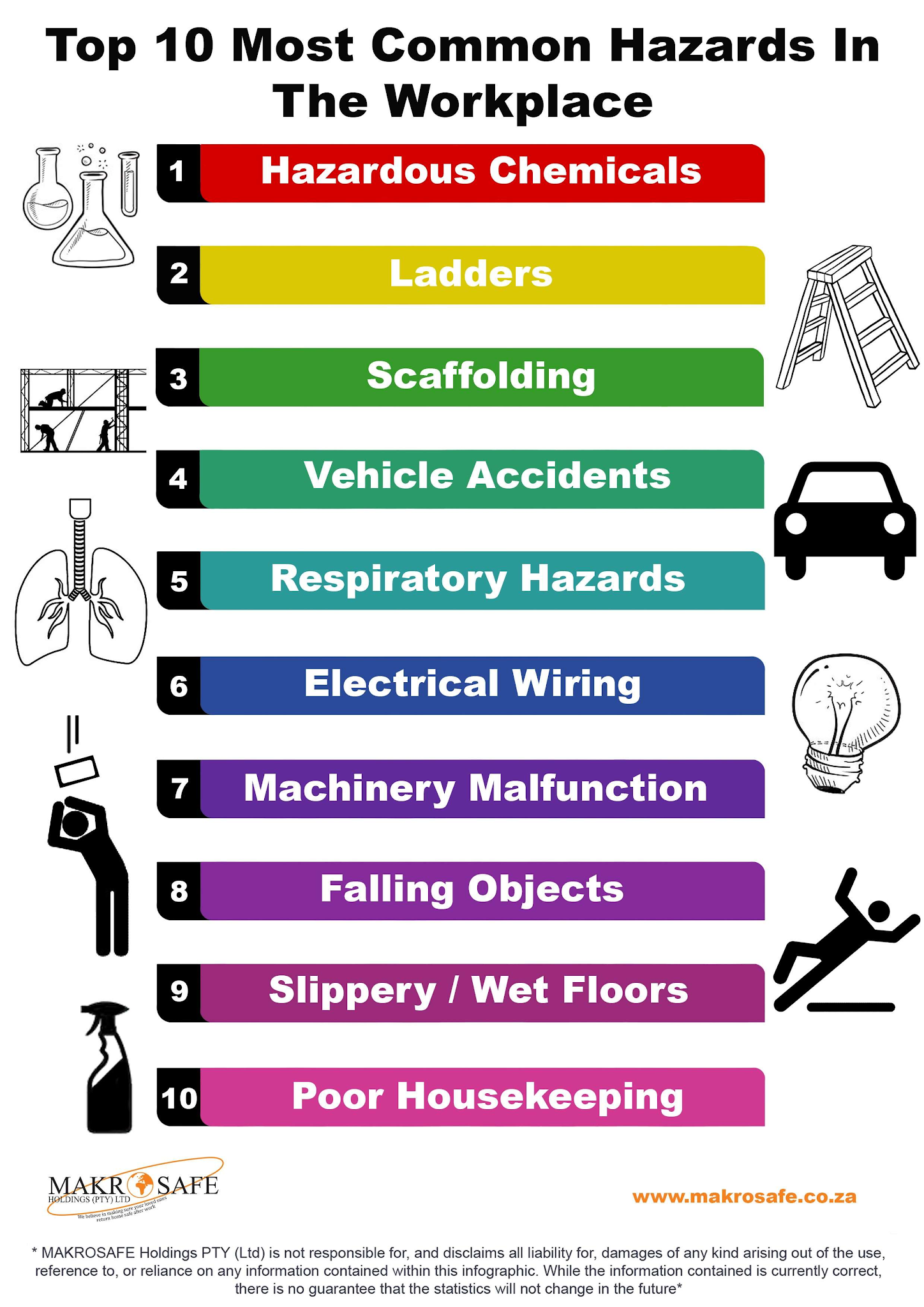
Hey there, ever thought about workplace safety as something a bit... cool? Like, genuinely interesting? Sometimes we hear "safety" and our minds just drift to dusty rulebooks and boring compliance videos. But what if I told you that identifying hazards is actually a bit like being a super-sleuth, a pro-active problem-solver, or even a guardian angel for your colleagues? It’s not about finding fault; it’s about making every workday smoother, safer, and just plain better for everyone.
Think of it this way: every time you spot something potentially risky, you're preventing a future headache, or worse! It's like having a superpower that lets you see the hidden dangers before they, well, unhide themselves in an unfortunate way. Ready to unlock your inner workplace safety wizard? Let's dive into five super practical (and actually quite fascinating!) ways to spot those sneaky hazards.
Workplace Inspections – Your Inner Detective on Patrol
Alright, picture this: you're walking through your workplace, not just seeing, but observing. This is your chance to channel your inner Sherlock Holmes! Workplace inspections are essentially systematic walk-throughs where you're actively searching for anything that could cause harm. It’s not just a casual stroll; it’s a mission.
Must Read
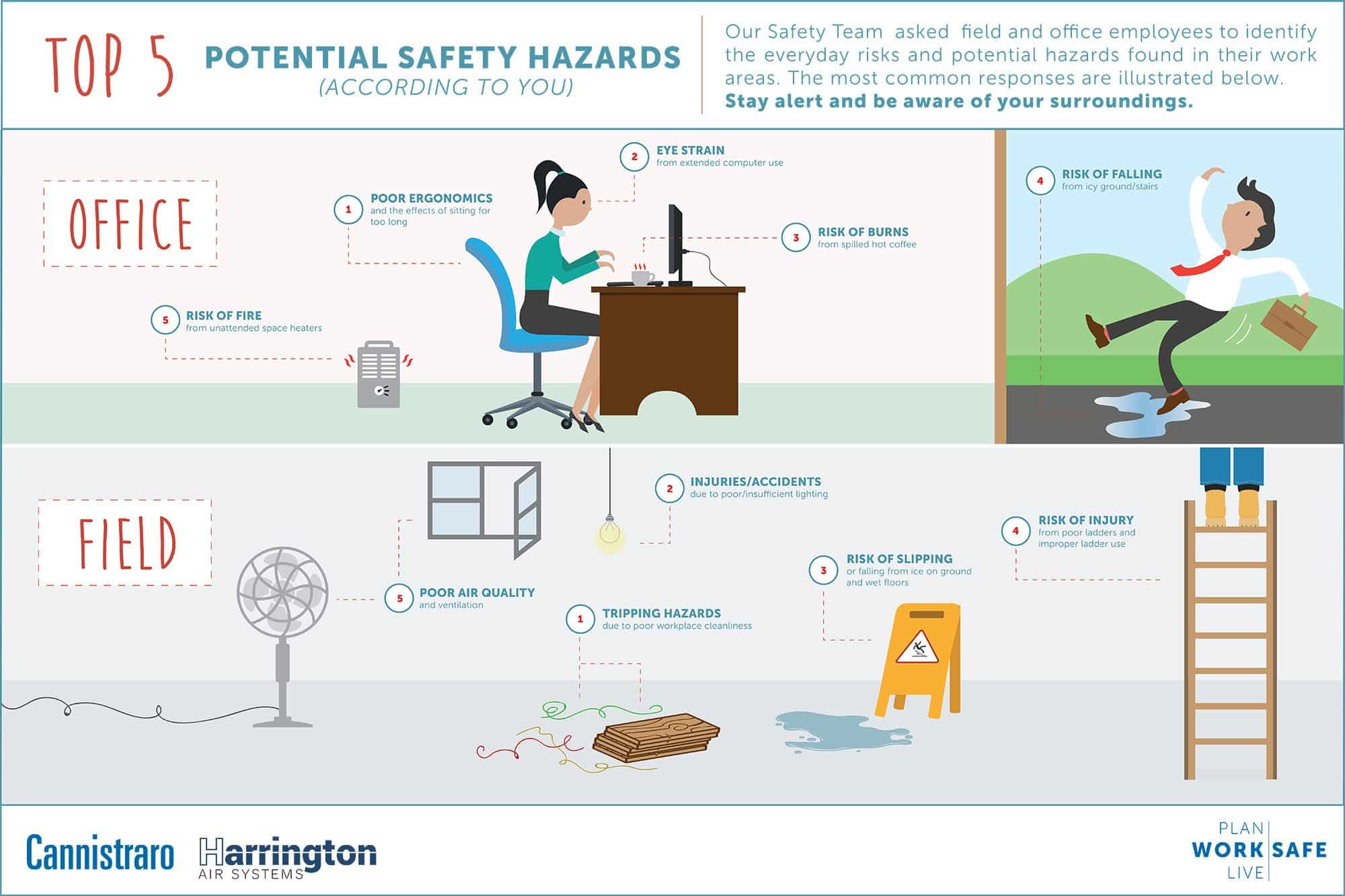
Are there cables stretched across walkways just waiting to trip someone up? (Classic tripping hazard!) Is that ladder leaning a bit precariously? Are there spills on the floor that look like a skating rink in the making? It's about looking at things with fresh eyes, even if you see them every single day. Imagine you're a visitor, seeing your workplace for the very first time. What would jump out at you? This proactive hunt for potential trouble is incredibly powerful, and dare I say, a little bit thrilling when you spot something and get it fixed before it becomes an issue.
Incident & Accident Investigation – Learning from the Past, Shaping the Future
Okay, so something did go wrong. It happens. But here's where we turn a negative into a powerful positive: incident and accident investigation. This isn't about pointing fingers or assigning blame (though accountability is important, of course). It's about being a historian, an analyst, trying to understand why something happened. What was the chain of events? What were the underlying causes?

Every incident, big or small, is a learning opportunity disguised as a problem. By digging deep into "near misses" – those moments when something almost went wrong but didn't – we can fix things before anyone gets hurt. Think of it like a detective replaying a scene to understand how to prevent it from ever happening again. It's about turning unfortunate events into a blueprint for a safer tomorrow, which is pretty awesome if you ask me!
Employee Feedback & Consultations – The Collective Brainpower!
Who knows the ins and outs, the nitty-gritty details of a job better than the people actually doing it every single day? Nobody! This is why employee feedback and consultations are absolutely golden for identifying hazards. Your colleagues are on the front lines; they're the ones encountering potential issues, sometimes without even consciously realizing it until you ask.
Creating an environment where people feel comfortable speaking up about concerns, no matter how small, is like activating a collective hazard detection system. Maybe a machine makes a weird sound, or a process feels slightly awkward and risky. These are things management might never see or hear. Encouraging open communication, suggestion boxes, or regular safety meetings where everyone's voice is valued – that's building a safety culture that's robust and truly collaborative. It's like having a whole team of superheroes, each with their unique perspective!
Hazard Reporting Systems – The Early Warning Network
Building on that last point, having a clear, accessible hazard reporting system is like setting up a brilliant early warning network. Imagine a neighborhood watch, but for potential workplace dangers. It's about making it super easy for anyone – an employee, a contractor, even a visitor – to flag something they think might be a hazard, even if they're not 100% sure.
This could be a simple online form, a dedicated email, or even just a clearly designated person to talk to. The key is making it low-barrier and perhaps even anonymous if needed, to encourage reporting without fear. Spot a loose handrail? Report it! Notice a chemical spill kit that looks depleted? Report it! These small observations, when captured through a system, prevent minor issues from snowballing into major incidents. It’s like having a collective radar system always scanning for potential problems, and that’s incredibly effective.
Job Hazard Analysis (JHA) – The Safety Blueprint Before You Build
Ever watched an architect meticulously plan every single detail of a building before construction even begins? That's kind of what a Job Hazard Analysis (JHA) is for tasks. It’s a super proactive way to identify hazards by breaking down specific jobs or tasks into their individual steps. For each step, you then ask: "What are the potential hazards here?" and "How can we control or eliminate them?"
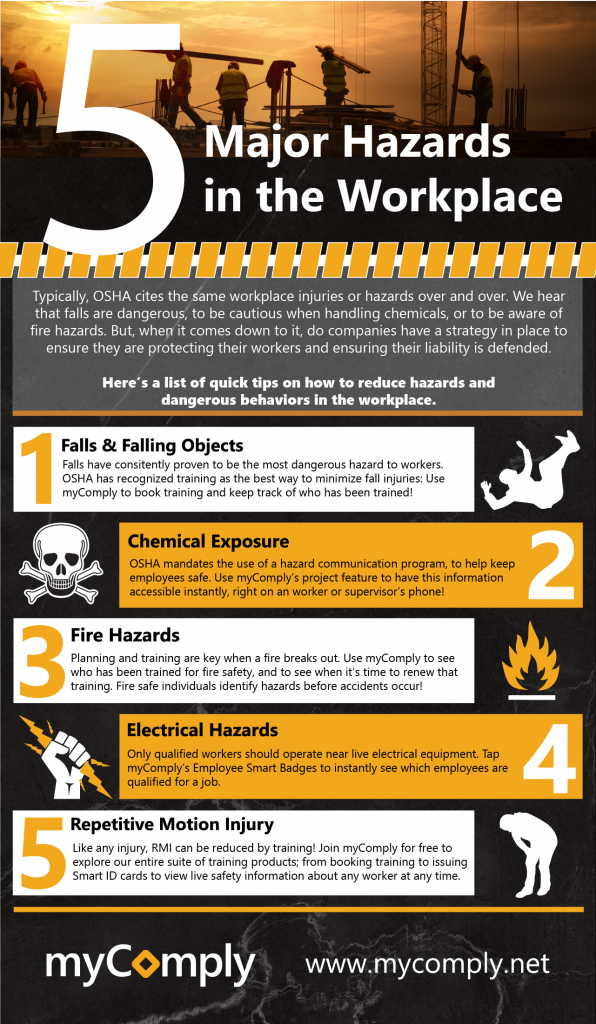
For example, if the job is "operating a forklift," a JHA would look at everything from the pre-operation checks, to loading, driving, and unloading. At each stage, you identify risks like "forklift tipping," "load falling," "striking pedestrians," and then brainstorm controls like "mandatory training," "clear pedestrian walkways," or "load securing protocols." It's like creating a safety blueprint before you even start the work, meticulously planning out safety rather than just reacting. This kind of forward-thinking strategy is not just smart; it's empowering, giving everyone a clear path to perform their duties safely.
So, there you have it! Identifying hazards isn't just a chore; it's an exciting opportunity to be proactive, to collaborate, and to genuinely make a difference in your workplace. By embracing these methods, you're not just ticking boxes; you're building a safer, more resilient environment for yourself and everyone around you. How cool is that?