5 Hazards In The Workplace
Hey there, curious minds! Ever thought about workplace safety as something... interesting? We usually hear about it in a serious tone, right? But what if we told you that understanding the ins and outs of keeping ourselves safe at work is actually pretty cool, like a detective trying to spot hidden clues? It's not just about rules; it's about spotting the little things that can make a big difference.
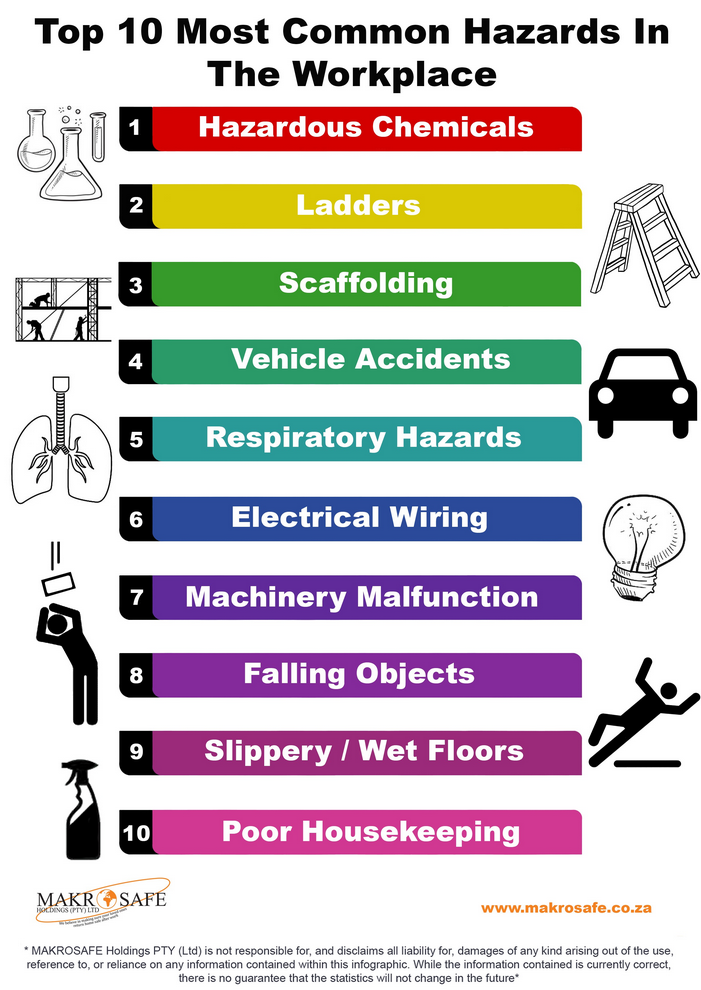
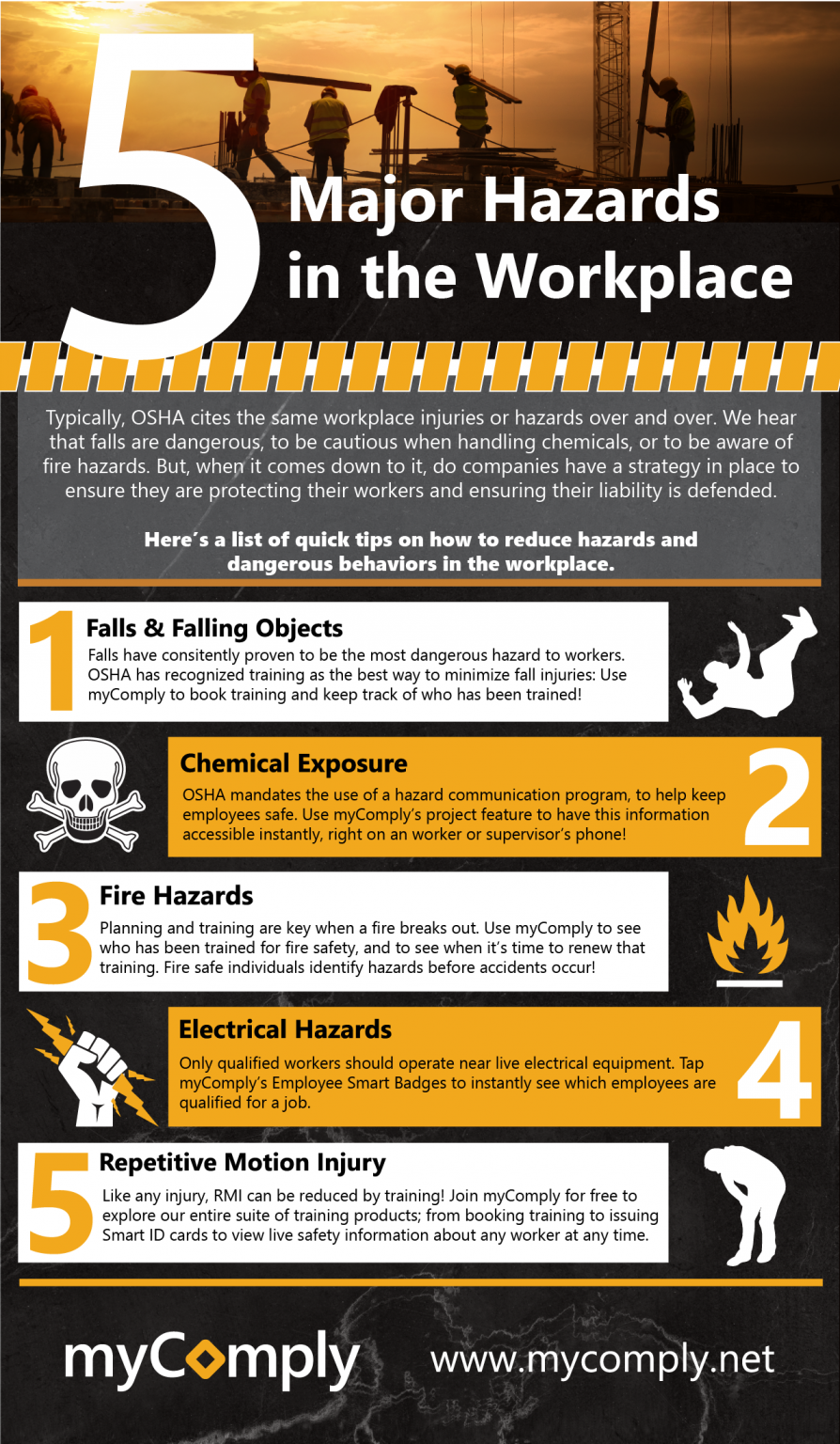
Think of your workplace, whatever it is, as its own mini-ecosystem. And just like any ecosystem, there are forces at play – some helpful, some... well, less so. Let's peek behind the curtain at five common workplace hazards. Don't worry, we're keeping it chill and conversational, like we're just chatting over coffee!
The Sneaky Slips & Trippy Traps: Physical Hazards
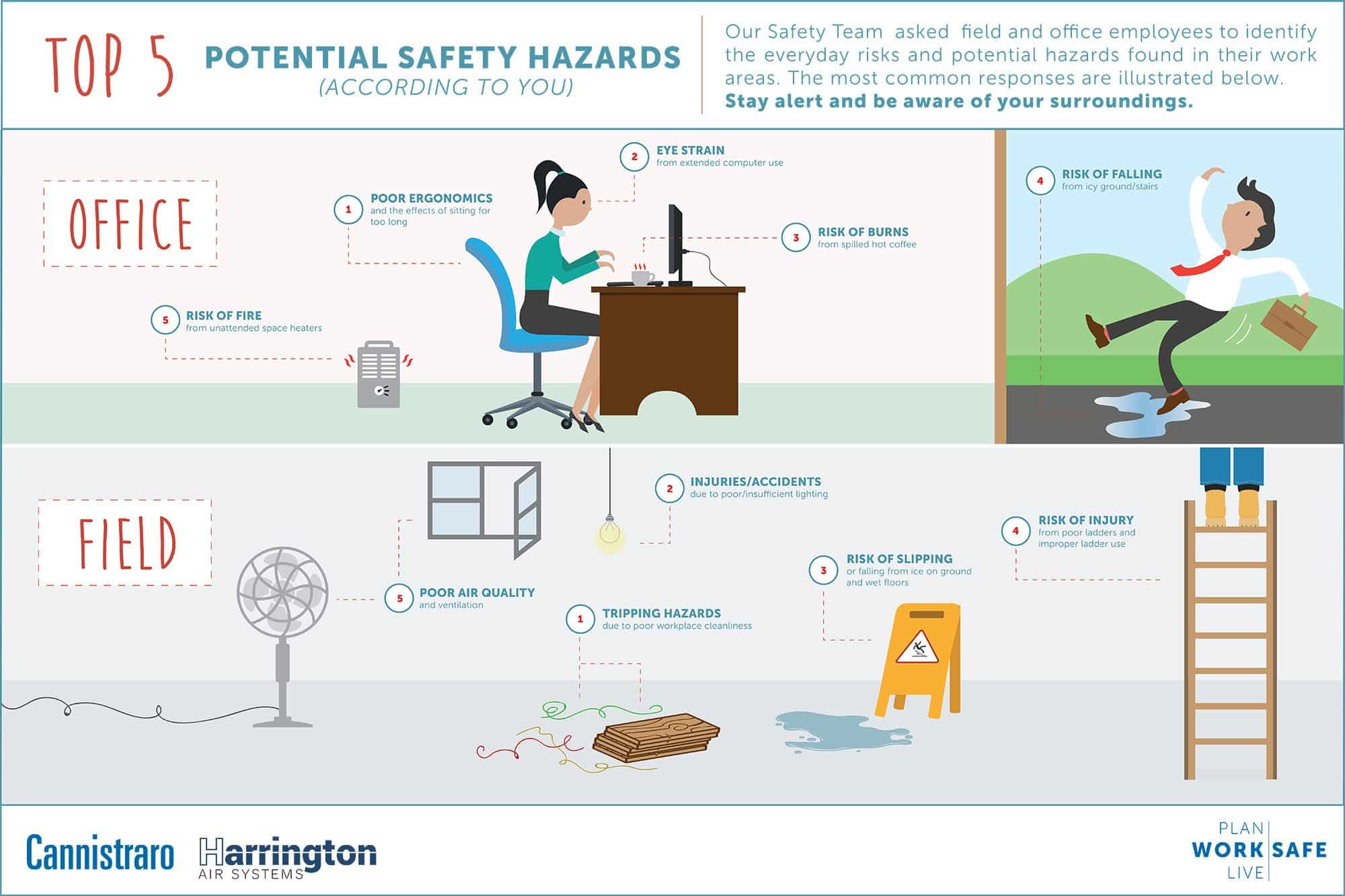
Alright, first up are the hazards we can usually see or feel. We're talking about anything from a wet floor that transforms into an ice rink (without the fun) to that awkwardly placed extension cord playing hide-and-seek with your feet. These are the classic "Oops!" moments, but they can be more than just embarrassing.
Must Read
Imagine navigating your office like it's a real-life video game. You've got obstacles everywhere: boxes in the aisle, a wonky chair, or maybe a ladder that's not quite steady. These are your physical hazards. They're basically anything in your environment that can cause injury if you bump into it, fall over it, or get caught in it. Ever stub your toe on a loose tile? That's your body's subtle way of saying, "Hey, this could be a hazard!" The trick is to spot these potential pitfalls before they turn into a full-blown domino effect. It's like being a safety superhero, always scanning for danger!
The Body Whispers: Ergonomic Hazards
Now, this one is super fascinating because it's all about how our bodies interact with our workspace. Have you ever spent hours hunched over your laptop, only to stand up feeling like a wise old wizard with a perpetually creaky back? Or maybe your wrist feels a bit grumpy after a long day of typing?
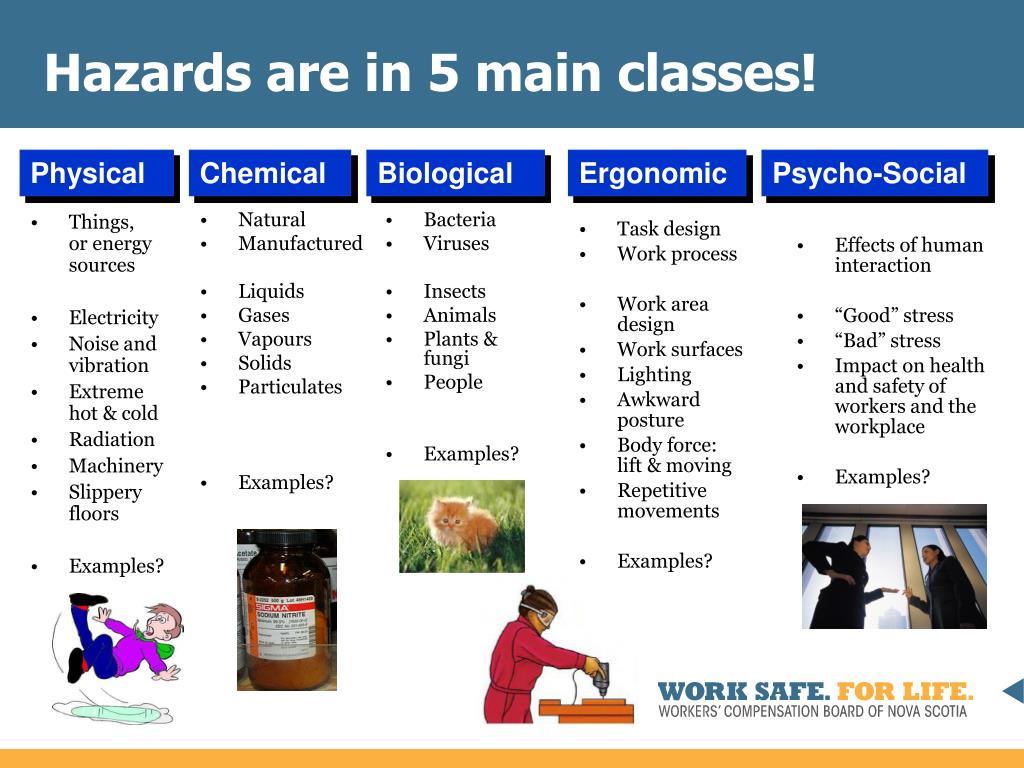
That, my friends, is your body sending you signals about ergonomic hazards. These aren't sudden bangs or crashes; they're the slow burn injuries that develop over time from repetitive motions, awkward postures, or poorly designed workstations. Think of it like trying to play a guitar with your wrist bent at an unnatural angle for hours – eventually, your wrist is going to stage a protest! It's about finding that sweet spot where your tools and environment fit you, rather than you trying to fit them. Paying attention to these body whispers can save you a lot of aches and pains down the line. Your future self will thank you!
The Invisible Intruder: Chemical Hazards
Okay, this one can sound a bit sci-fi, but it’s super common. When you hear "chemicals," do you think of bubbling beakers and mad scientists? While that's sometimes true, in the workplace, it can be much more mundane. We're talking about cleaning supplies, paints, glues, even certain dusts or fumes that might seem harmless at first glance.
These are chemical hazards, and they're often the invisible intruders. You might not see them, smell them, or even feel them right away, but they can still be harmful. Imagine a room where someone's just used a strong cleaner without proper ventilation. Those fumes? They're working behind the scenes! Understanding what's in your everyday products, how to use them safely, and why good ventilation is your best friend against these unseen foes is like having a secret superpower. It's about respecting the power of even seemingly innocent substances!
The Microscopic Mysteries: Biological Hazards
Ever wonder about the tiny, unseen world living alongside us? Well, in the workplace, some of those tiny residents can be a bit problematic. We're delving into biological hazards, which include things like bacteria, viruses, fungi (think mold!), and even pests. These are the uninvited guests that can make you feel under the weather or worse.
Picture this: a forgotten coffee cup that's developed its own fuzzy ecosystem, or an office cold making its rounds like a tiny, invisible super-spreader. For some, like healthcare workers or those dealing with waste, these hazards are more pronounced. But for everyone, knowing the importance of good hygiene – yes, washing your hands like you're scrubbing up for surgery – and being aware of potential contaminants is crucial. It’s like having a personal force field against the microscopic world trying to sneak in! Who knew a bit of soap and water could be so heroic?
The Mind's Maze: Psychosocial Hazards
Last but certainly not least, let’s talk about something that’s not always obvious but incredibly important: the hazards to our minds and emotions. These are called psychosocial hazards. Think about it: long hours, high pressure, bullying, lack of support, or even just feeling overwhelmed and burnt out. These aren't physical objects to trip over, but they can definitely make you stumble.
Imagine your brain as a super-powerful computer. If it's constantly running too many programs, dealing with glitches, or getting negative inputs, it's going to struggle, right? Psychosocial hazards are like those invisible bugs in your mental operating system. They can lead to stress, anxiety, depression, and impact your overall well-being and productivity. It's about creating a workplace where everyone feels respected, supported, and not constantly running on empty. A healthy mind makes for a happier, safer, and more productive you! Isn't it cool how our feelings play such a big role in safety?
So, there you have it! Five common workplace hazards, reframed not as boring rules, but as intriguing aspects of our daily environments. Understanding these isn't about being scared; it's about being aware, curious, and taking small steps to make your workspace a happier, healthier, and safer place for everyone. Stay curious, stay safe!