
45 Grados Fahrenheit A Centigrados
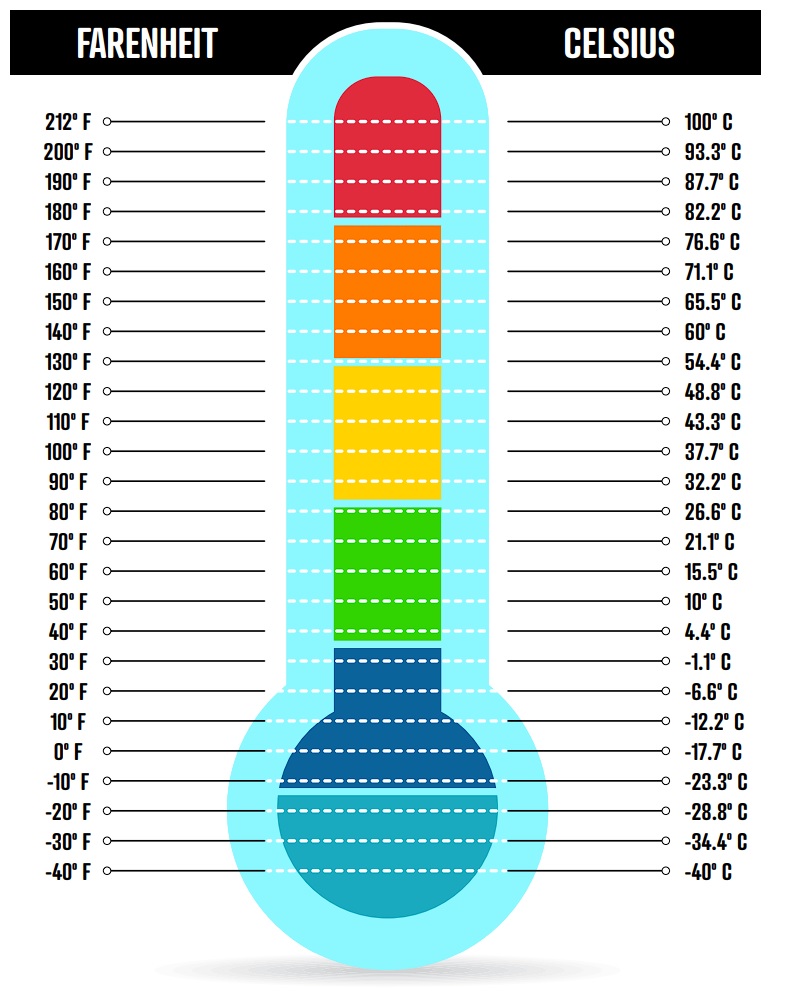
Okay, let's talk temperature! Ever been chilling in the US, someone mentions it's 45 degrees Fahrenheit, and you’re like, “Uh…cool?” But then you want to know what that actually means in Celsius, especially if you're more used to that system? Don't worry, we've all been there! It's like trying to understand cricket scores – baffling at first, but once you get the hang of it, it's…still a bit baffling. But less so!
So, 45 degrees Fahrenheit into Celsius. Buckle up, because we're about to do a tiny bit of math. Don't freak out! It's not calculus. We're not solving for x, y, and that weird symbol that looks like a pretzel. This is way simpler.
The Magical Formula
Here’s the secret weapon: the formula to convert Fahrenheit to Celsius is:
Must Read
C = (F - 32) * 5/9
Where:
- C = Degrees Celsius
- F = Degrees Fahrenheit
See? Not too scary, right?

Let's Plug It In!
Alright, let's put that formula to work with our 45 degrees Fahrenheit. Ready? Let’s go!
C = (45 - 32) * 5/9
C = (13) * 5/9
![Fahrenheit 45 to Celsius: Conversion Guide [Easily Solved]](https://blog.certifiedmtp.com/wp-content/uploads/2024/10/Fahrenheit-45-to-Celsius-Conversion-Guide-Easily-Solved.jpg)
C = 65/9
C ≈ 7.22
Ta-da! 45 degrees Fahrenheit is approximately 7.22 degrees Celsius. Not bad, huh? You're basically a weather wizard now. You can impress all your friends at parties... or maybe just calmly know what to expect when you step outside.
What Does That Feel Like?
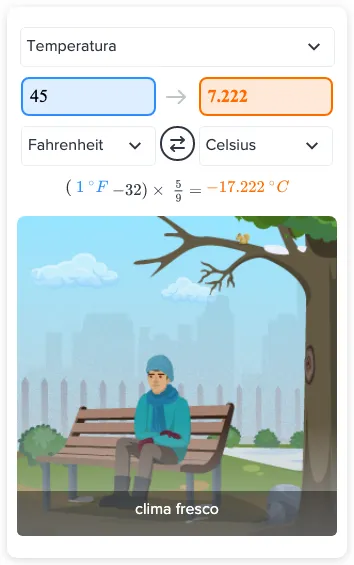
So, 7.22 degrees Celsius… What does that feel like? Well, it's definitely on the cooler side. Think of it as a crisp autumn morning, a slightly chilly spring day, or a mild winter afternoon in some warmer climates. It's the kind of temperature where you might want a light jacket or a cozy sweater. Definitely not beach weather unless you're a polar bear on vacation.
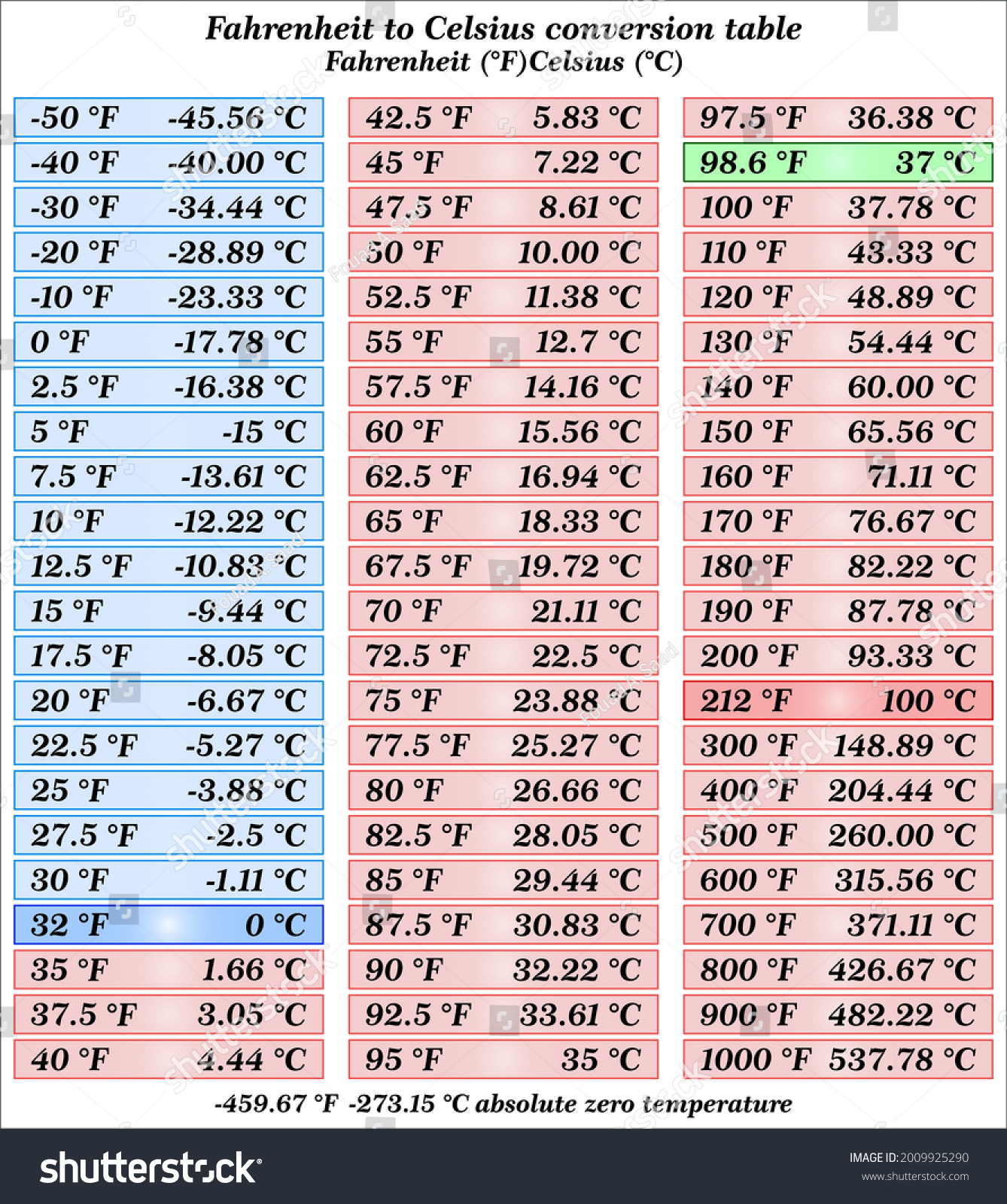
It's not freezing cold where you're building snowmen, but it's not exactly sunbathing weather either. Think pleasant briskness. A perfect temperature for a brisk walk, enjoying a hot beverage, or admiring the changing leaves (if it's that time of year, of course).
Why All the Fuss About Conversion?
You might be thinking, "Why do we even need to convert? Why can't everyone just agree on one temperature scale?" And that, my friend, is a question for the ages! The short answer is: history and stubbornness. The US uses Fahrenheit, most of the rest of the world uses Celsius. It’s just one of those quirky differences that makes life… interesting. Like driving on different sides of the road, or arguing about whether 'soccer' or 'football' is the proper term.
Knowing how to convert between the two is super handy when you’re traveling, reading international news, or just trying to understand what that weather app from another country is trying to tell you. Plus, you get to show off your newfound math skills (even if it's just this one formula).
A Few Extra Tips and Tricks
While the formula is the most accurate way to convert, sometimes you just need a quick ballpark figure. Here are a couple of mental shortcuts:
- For a really rough estimate: Subtract 30 from the Fahrenheit temperature and divide by 2. This won't be super precise, but it'll get you in the general vicinity.
- Remember key temperatures: 0°C is 32°F (freezing), 10°C is 50°F (cool), 20°C is 68°F (room temperature), 30°C is 86°F (warm). These benchmarks can help you visualize the relationship between the two scales.
You can also use a handy-dandy temperature converter app on your phone. There are tons of them! No more mental gymnastics required. But where's the fun in that? Okay, fine, sometimes mental gymnastics are NOT fun. I get it.
Congratulations! You're a Temperature Translation Expert!
So, there you have it! You now know how to convert 45 degrees Fahrenheit to Celsius (it's about 7.22°C), and you have a basic understanding of why temperature conversions are a thing. You’re officially more worldly, more prepared, and, dare I say, a little bit cooler (pun intended!).
Don't let temperature scales intimidate you. Embrace the differences, learn the conversions, and keep exploring the world – one degree at a time! And remember, even if the numbers seem confusing at first, you've got this! Go forth and conquer the weather!