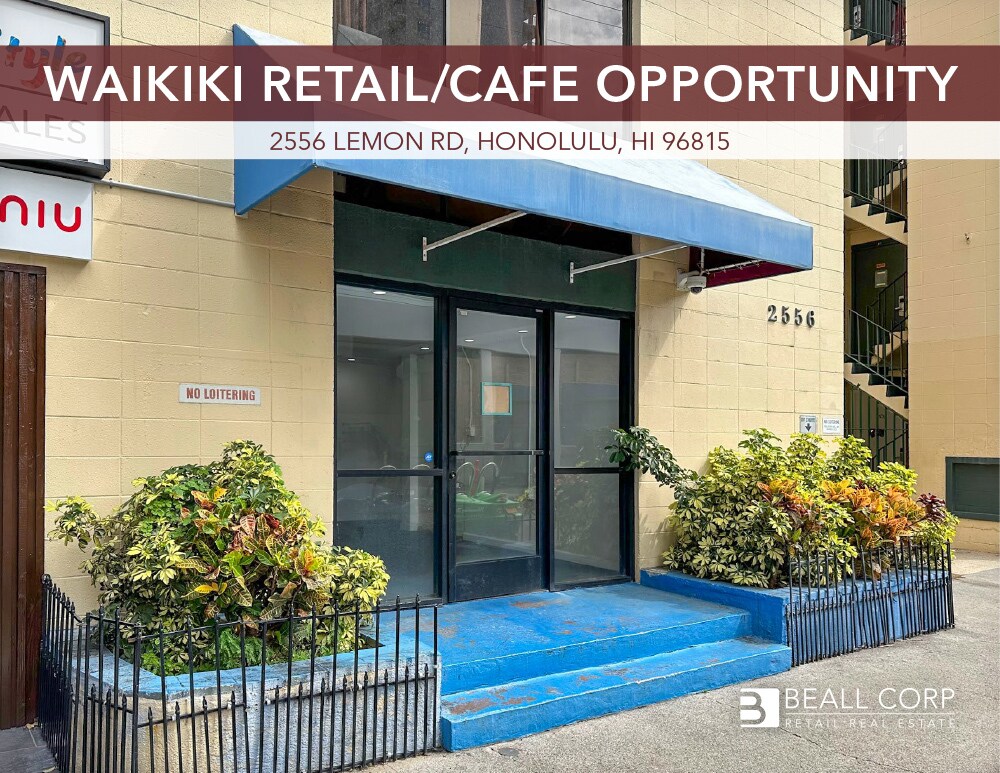
2556 Lemon Rd Honolulu Hi 96815
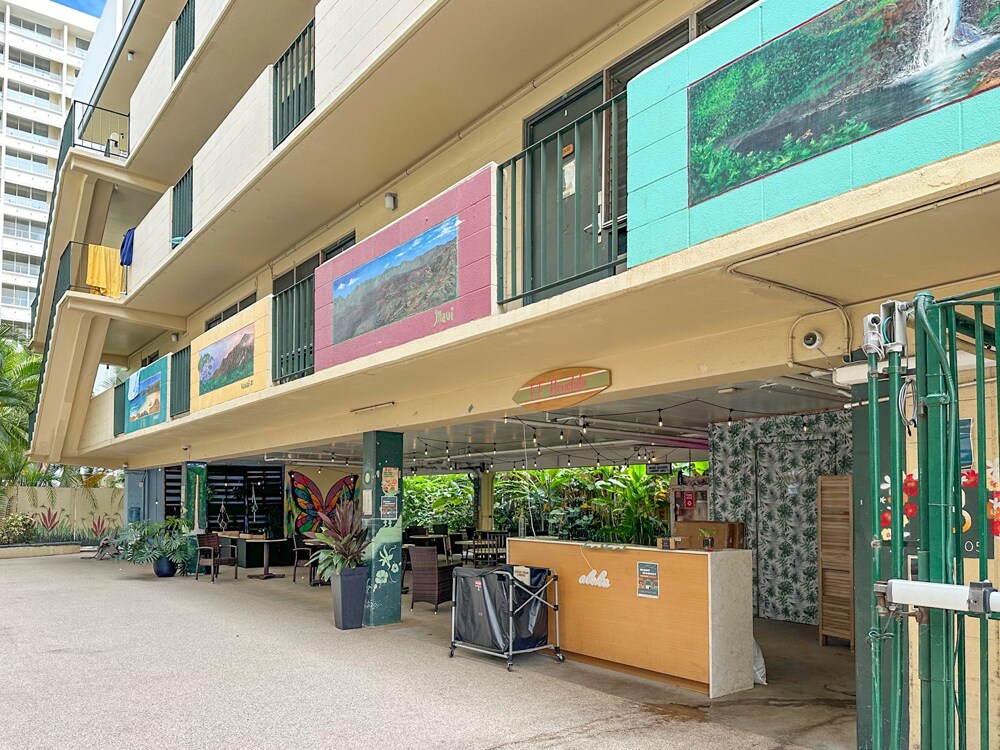
Ever stumbled upon a random address and felt a spark of curiosity? Addresses are more than just a string of numbers and a street name; they're tiny portals into a specific place, each with its own story to tell. Let's take a closer look at 2556 Lemon Rd, Honolulu, HI 96815. Why this particular address? Because even a seemingly ordinary location can reveal fascinating insights about geography, community, and even history. Thinking about addresses in this way transforms your everyday surroundings from the mundane to the intriguing.
So, what is the purpose of an address, beyond simply directing the mail carrier? An address is essentially a geographical identifier, a standardized way to pinpoint a specific location on Earth. Its primary benefit is, of course, navigation. It allows emergency services to find you quickly, delivery services to drop off your packages, and friends to locate you for that long-awaited visit. But it's more than that. Addresses are also crucial for things like property records, census data collection (which informs important decisions about resource allocation), and even determining school districts. They provide a structured framework for understanding and managing our physical environment. In short, addresses are fundamental to how we organize and interact with the world.
Consider the educational applications. Geography classes can use specific addresses to teach map reading skills, demonstrate longitude and latitude, and explore the diverse landscapes within a particular region. Imagine students using 2556 Lemon Rd to research Honolulu's climate, vegetation, or local economy. They could use online tools like Google Maps to view street-level imagery, explore nearby parks and beaches, or even discover historical photographs of the area. In daily life, we use addresses constantly without even thinking about it. From ordering food online to setting up ride-sharing services, addresses are the silent backbone of countless transactions and interactions. Even learning the address of your local library or community center allows you to participate more fully in your community. Think about how often you ask for or give directions – that’s all based on the power of the address!
Must Read
Want to explore addresses in a more hands-on way? Here are a few simple tips: Start with your own address. Look it up on a mapping website and explore the surrounding area. What businesses are nearby? What does the architecture look like? What’s the elevation? Then, try a random address generator online and repeat the process. Another fun activity is to "travel" virtually to famous addresses around the world, like 1600 Pennsylvania Avenue in Washington D.C., or 221B Baker Street in London. You could also research the history of street names in your city, or even trace the evolution of your own address over time. Finally, consider using geocaching apps, which use GPS coordinates to guide you to hidden treasures. While these use coordinates, they demonstrate the underlying principle of geographic location. So, next time you see an address, don't just gloss over it. Take a moment to appreciate its significance and the wealth of information it holds.