
$20.00 2004 Federal Reserve Note Star Extremely Fine

Okay, so picture this: I'm cleaning out my grandma's attic – a truly monumental task, let me tell you. Dust bunnies the size of small dogs, moth-eaten furniture, the works. And then, buried in a box of old photo albums, I find it: a crisp, almost-too-perfect $20 bill. "Huh," I thought. "Probably just a twenty." But then I saw the star. The little, unassuming, yet potentially lucrative star.
That's right, a star note! Which got me thinking, how many other people have these things tucked away, unknowingly sitting on a little treasure? And that brings us to the topic at hand: the $20.00 2004 Federal Reserve Note Star, in particularly, if it’s in Extremely Fine condition. Prepare to geek out with me for a bit.
What Makes a Star Note Special?
First things first: what is a star note? Well, during the printing process, sometimes errors happen. Big, oops-we-messed-up kind of errors. When this occurs, instead of scrapping the entire batch of bills with that particular serial number, they replace the flawed notes with notes that have a star symbol next to the serial number. Think of it like a quality control sticker, but much more stylish.
Must Read
Basically, it’s a replacement. A stand-in. The understudy of the money world! (Okay, maybe that’s a bit dramatic).
These star notes are rarer than your average bill. Rarity, as you might suspect, often translates to higher value.

The 2004 Series: A Prime Candidate
The 2004 series of $20 Federal Reserve Notes are fairly common, but the star notes within that series can be worth considerably more, especially if they're in good condition. Why? Because the fewer that were printed, or the fewer that survived, the more collectible they become.
The Federal Reserve System is divided into 12 districts, each of which is represented by a letter and number combination on the face of the bill (A1, B2, C3, etc.). The 2004 series notes are particularly interesting because of the variations in production between these different Federal Reserve Districts. Some districts printed far fewer star notes than others. This can dramatically impact the value.
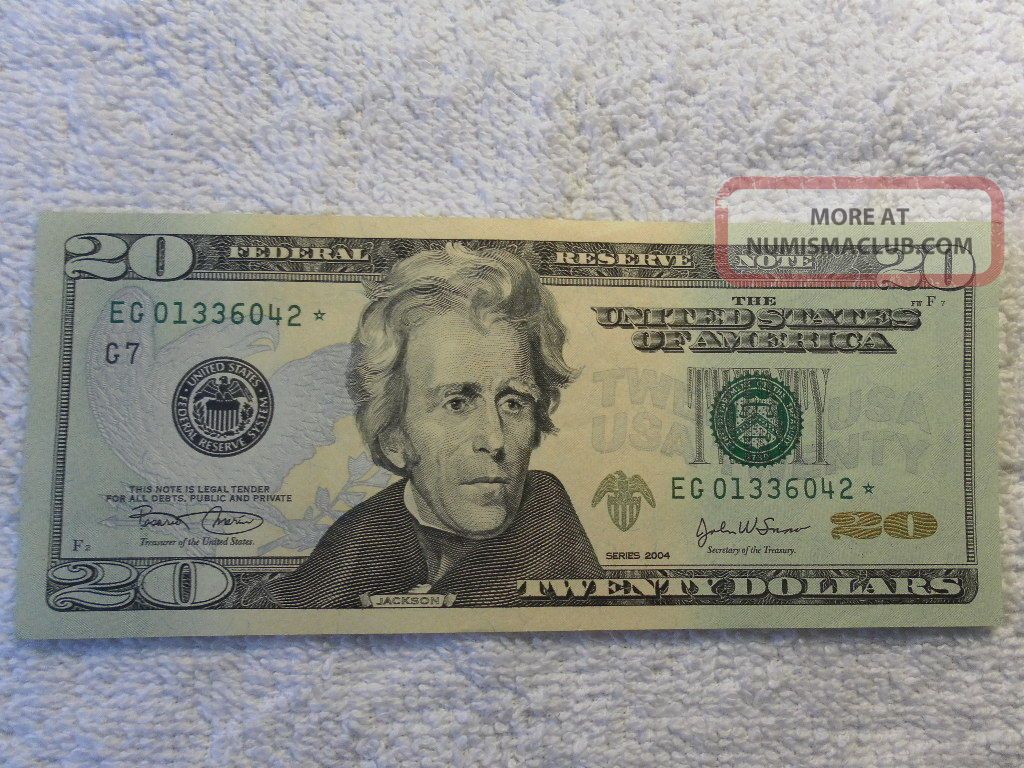
Extremely Fine Condition: The Sweet Spot
Now, let’s talk condition. If you pulled a $20 star note from your wallet that's been through the washing machine, used as a bookmark, and generally treated like a chew toy by your pet hamster, chances are it won’t fetch a huge sum. (Sorry, hamster!).
This is where Extremely Fine (EF or XF) condition comes in. This is a grade given to a bill that shows light handling, with perhaps a few folds or creases, but still retains much of its original crispness and detail. Think of it as “gently used” in the money world. A note in EF condition sits in a nice spot between "brand new and pristine" (which are much rarer and even more valuable) and "well-loved and slightly abused".

Why is this condition so important? Because it’s a balance. The bill is clearly not brand-new, which impacts value slightly, but it's also in good enough condition to be desirable to collectors. They want something nice to look at, but they also want to be able to afford it! EF often hits that sweet spot.
So, What's it Really Worth?
The million-dollar question (well, maybe not a million, but hopefully more than $20!). The value of a 2004 $20 star note in Extremely Fine condition depends on a variety of factors:
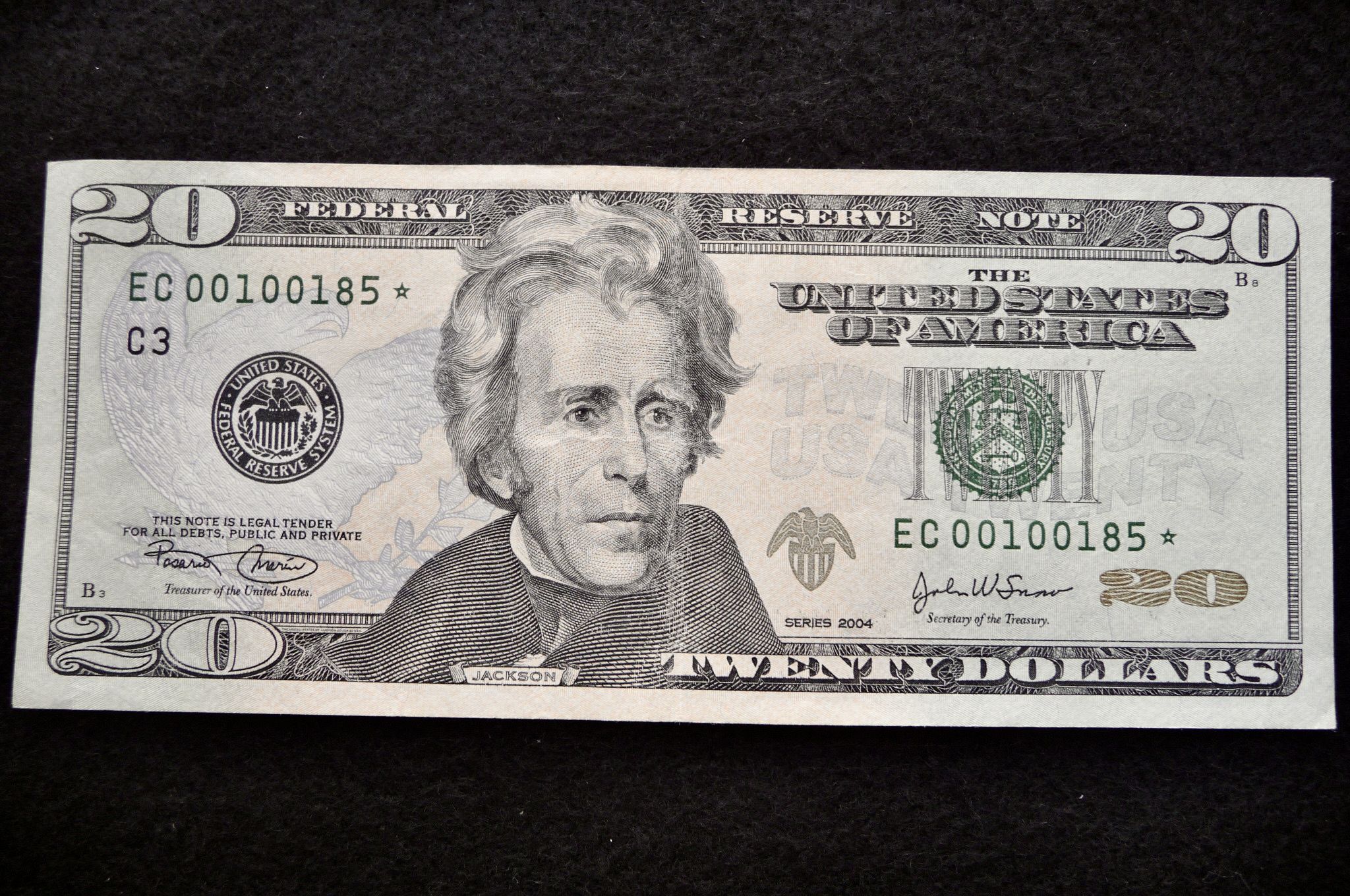
- The Federal Reserve District: As mentioned earlier, some districts printed fewer star notes.
- The Serial Number: Certain serial number combinations might be more desirable to collectors (think low serial numbers or interesting patterns).
- The Overall Condition (Graded by a Professional): While you might think your bill is Extremely Fine, a professional grader (like PCGS or PMG) will provide an unbiased opinion and assign a numerical grade. This grade is crucial in determining the value.
Generally, a 2004 $20 star note in EF condition could range anywhere from $30 to several hundred dollars, depending on these factors. But that said, don’t go spending that money just yet! Do your research.
Pro Tip: There are online resources and price guides that can help you get a better estimate. Also, consider consulting with a reputable currency dealer. They can assess your bill and give you a more accurate appraisal.
The Moral of the Story?
Keep an eye out for those star notes! Check your wallets, rummage through your old piggy banks, and maybe even take a peek in your grandma’s attic. You never know what hidden treasures you might uncover. And who knows? That seemingly ordinary twenty-dollar bill might just be worth a whole lot more. Happy hunting!