
13 Behaviors Of High Trust Pdf
Ever feel like you’re trying to navigate a crowded mall blindfolded, with everyone else seemingly knowing the secret shortcuts and whispering about you behind your back? That, my friend, is what life feels like without trust. It’s exhausting! But what if there were a cheat sheet? Turns out, there kinda is. People talk about “The 13 Behaviors of High Trust” – and trust me, it's less about some boring PDF and more about how to be someone people actually want to be around.
Think of it like this: trust is the Wi-Fi password to a happy life. Without it, you're stuck buffering, relying on spotty data, and generally feeling disconnected. But with it? Smooth sailing. Let's dive into some of these trust-boosting behaviors and see if they sound familiar…
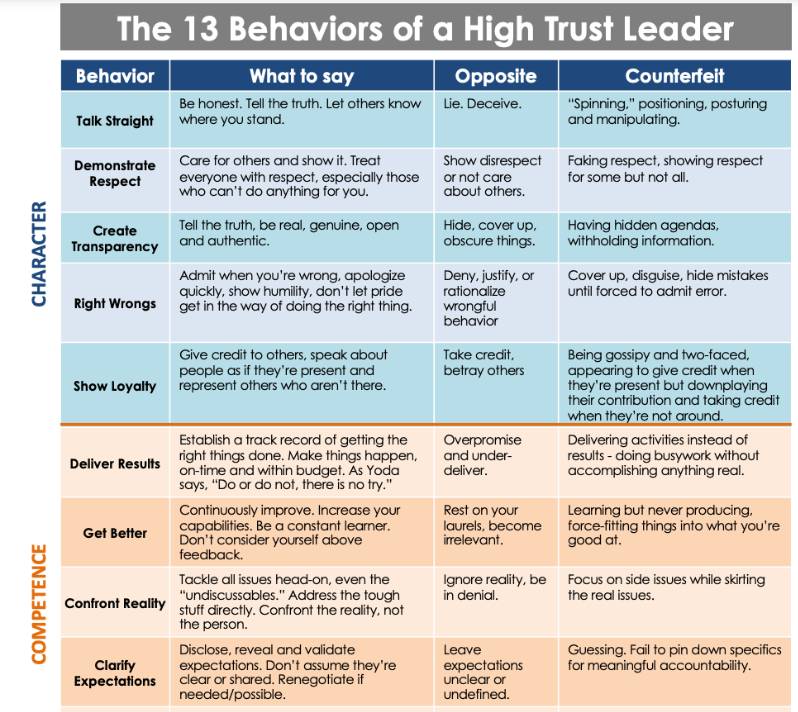
Talk Straight
Okay, this one’s a no-brainer, but crucial. Think of that friend who always beats around the bush. Annoying, right? Talking straight doesn’t mean being brutally honest and insensitive, but it does mean saying what you mean, and meaning what you say. Less sugarcoating, more substance. More like giving a straight answer, less like performing a dramatic monologue when someone asks, "Did you take my stapler?"
Must Read
Demonstrate Respect
Remember that time your grandma told you to "treat everyone with kindness?" She was onto something. Respect is like air conditioning in a crowded elevator. Everyone appreciates it. It's about valuing others, even if you disagree with them. Listen, acknowledge, and don't dismiss. Even if they're suggesting pineapple on pizza (shudder).
Create Transparency
Think of a shady car salesman versus someone who lays all the cards on the table. Who do you trust? Transparency is about being open and honest about your intentions and motives. No hidden agendas, no secret handshakes (unless you're a wizard, then it's acceptable). It's like baking a cake and sharing the recipe. No one likes a cake hoarder.

Right Wrongs
We all mess up. It's part of being human. But what separates the trust-busters from the trust-builders is how they handle those mistakes. Own up to it, apologize sincerely, and make amends. Don’t try to gaslight your way out of it. It's like accidentally deleting your roommate's essay and then actually offering to help rewrite it, instead of blaming it on the cat.
Show Loyalty
Being loyal means sticking up for people behind their backs, not just to their faces. It’s like being a good wingman/wingwoman. If someone’s trash-talking your friend, you defend them. It builds a reputation that says, “I’ve got your back.” People trust that.
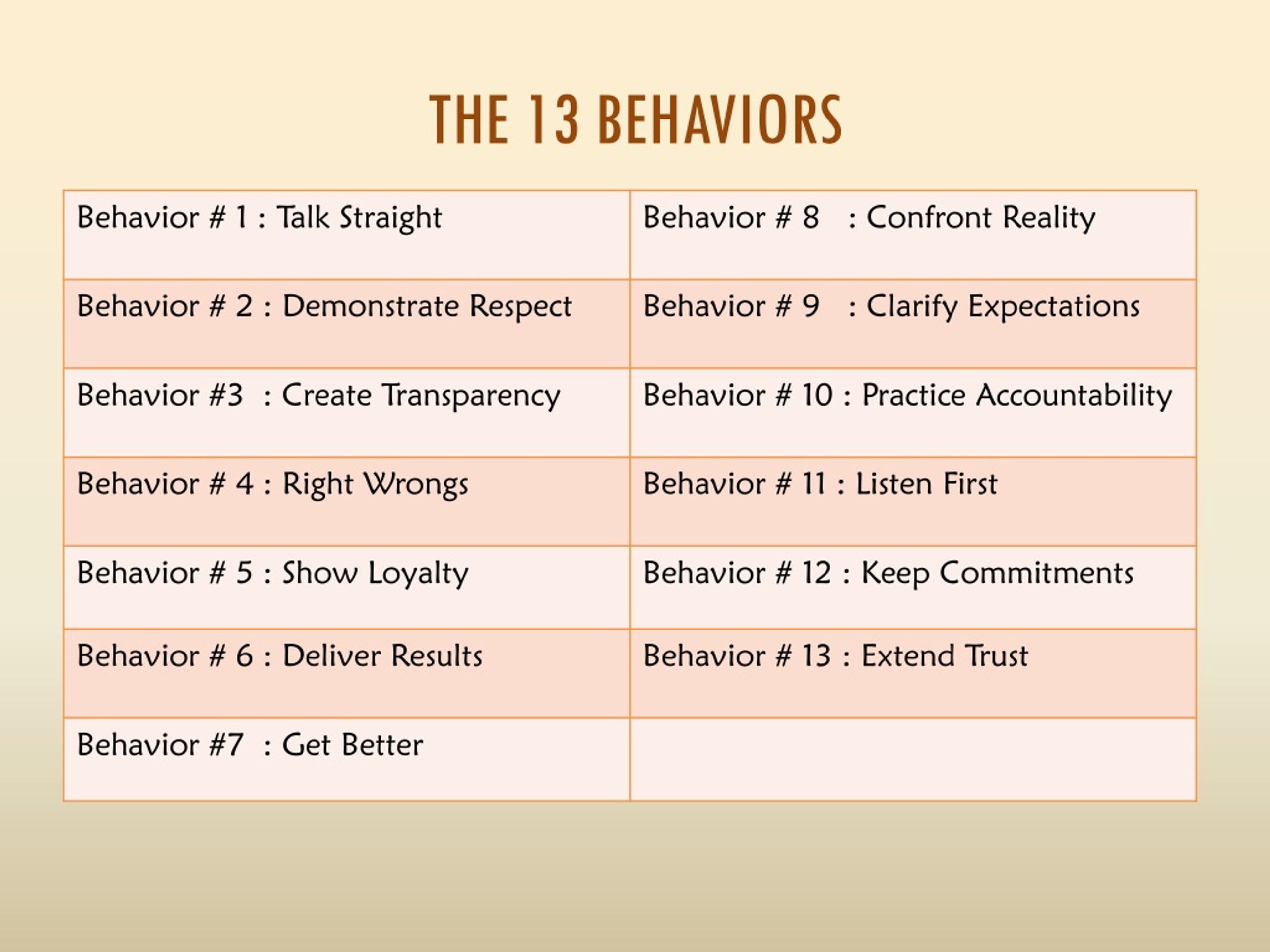
Deliver Results
Talk is cheap. Actions speak louder than words. Promises are just hot air until you actually follow through. Deliver on your commitments. If you say you'll call someone back, call them back! It's like telling your kids you'll take them to the park and then…actually taking them to the park. Minds blown, trust earned.
Get Better
No one expects you to be perfect (except maybe your mom). But people appreciate it when you're trying to improve. Seek feedback, learn from your mistakes, and constantly strive to be better. It’s like continuously updating your software. No one wants to be stuck with Windows 95 in a world of iOS 17.
Confront Reality
Don't sugarcoat the truth, especially when it's uncomfortable. Address difficult issues head-on, even if it's awkward. It's like telling your friend they have broccoli stuck in their teeth. Awkward for a second, but ultimately helpful (and trust-building).

Clarify Expectations
Misunderstandings happen, but they can be minimized by clearly defining expectations upfront. Be specific about what you expect from others and what they can expect from you. It’s like having a well-defined project scope. Everyone knows what's included, what's not, and avoids scope creep (which, in personal relationships, is code for "resentment").
Practice Accountability
Take responsibility for your actions and results, both good and bad. Don't pass the buck. Own your outcomes. It's like admitting you ate the last slice of pizza instead of blaming it on the dog (even if the dog looked really hungry).

Listen First
Actively listen to others before speaking. Seek to understand their perspective before trying to be understood. It’s not just hearing words, it's grasping the meaning behind them. It's like actually listening to your partner instead of just waiting for your turn to talk (a relationship-saver, trust me).
Keep Commitments
This one builds upon delivering results, it’s important to emphasize the commitment aspect, keeping your commitments is crucial to building and maintaining trust. It shows integrity and reliability. People trust individuals who do what they say they will do, consistently.
Extend Trust
Here's the kicker: trust is a two-way street. To receive trust, you have to give it first. Start by extending trust to others, and you'll be surprised how often it's reciprocated. It's like smiling at a stranger. Sometimes, they smile back, and suddenly, the world feels a little brighter. Even if they don't, you still spread a little positivity.
So, forget the PDF for a minute and think about these behaviors in your daily life. Are you talking straight? Showing respect? Delivering results? If you can honestly answer "yes" to most of these, you’re probably already a high-trust individual. And if not? Well, now you've got a map. Go build some bridges (and maybe bake a cake – but share the recipe!).