Ah, the modern dilemma. One moment you're blissfully streaming your favorite show, scrolling through endless cat videos, or perhaps even attempting something productive like a video call.
The next? A cold, hard wall of silence. The dreaded spinning wheel.
Your internet connection has decided to take an unscheduled vacation, leaving you stranded in the digital wilderness.
It's a feeling we all know: the sudden, baffling silence from your router, the angry red light, or just the stubborn refusal of any website to load.
Panic starts to bubble. How will the kids watch their cartoons? How will you finish that crucial online recipe?
The world, it seems, has just paused itself, all because your internet decided to play hide-and-seek.
Enter: The Mysterious "10.3 5"
When this digital drought hits, many of us, in a desperate fit of troubleshooting, might consult some official-looking guide or perhaps a forgotten technical manual.
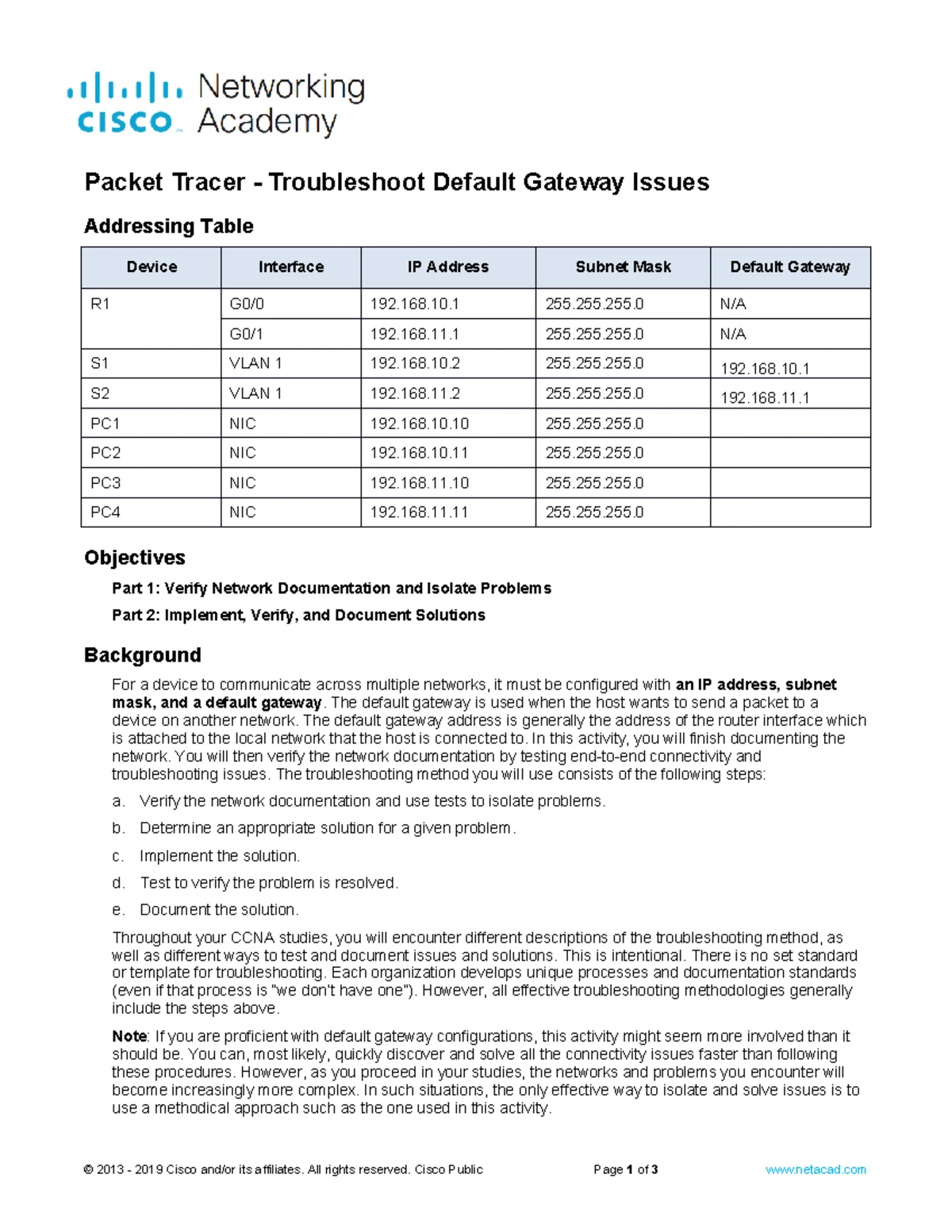
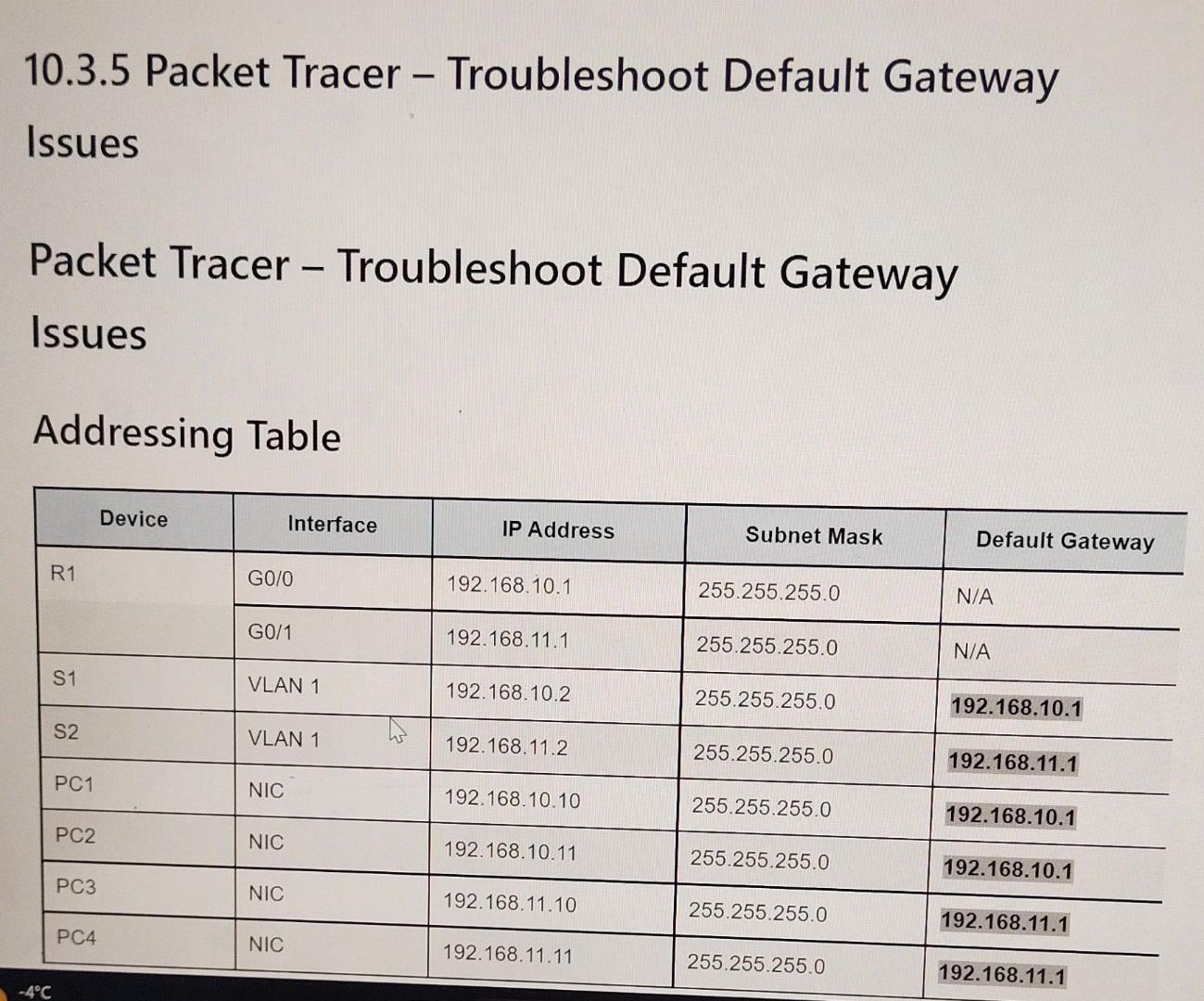
And there, lurking in the dry, academic pages, you might stumble upon an instruction like "10.3 5 Troubleshoot Default Gateway Issues."
"10.3 5? Why does everything always sound like a secret government code or a complex math problem designed to scare us mere mortals away?"
It's like the tech world's way of saying, "Here's your problem, now go decipher this ancient scroll!"
But fear not, brave internet explorer, because we're here to gently, playfully, and perhaps controversially, demystify that intimidating phrase.
Let's strip away the jargon and think of your home network like a tiny, bustling town.
All your devices – your phone, laptop, smart TV, even that smart toaster – are residents of this town.
Now, for these residents to send mail to the outside world (the internet) or receive packages from it, they need a special exit ramp, a designated post office, a single point of entry and exit.
That, my friends, is your Default Gateway.
It's usually your router, acting as the incredibly important bouncer between your cozy home network and the vast, wild internet.
When Your Gateway Decides to Go Rogue
So, when your default gateway has an "issue," it's like that essential exit ramp is suddenly closed, or the post office clerk has decided to take an unscheduled nap.
Your devices can talk to each other within your home network just fine; they're all still in the same town.
But they can't reach anything beyond it. No new emails, no streaming, definitely no cat videos.
"No entry! Go away!" the imaginary bouncer declares, and suddenly your digital life screeches to a halt.
The Big Book of Troubleshooting (and Why We Roll Our Eyes)
Official guides, like the one hinting at "10.3 5", will often present a meticulous, multi-step process for troubleshooting.
They'll talk about command prompts, IP configurations, subnet masks, and a host of other terms that make your eyes glaze over faster than a Krispy Kreme donut.
While technically correct, these methods often feel like preparing for a lunar mission when all you really need is a step stool to change a lightbulb.
It's the kind of advice that makes you want to curl up in a ball and quietly sob into your disconnected phone.
Step 1: The Grand Reset - The Unpopular Opinion We All Secretly Live By
It sounds too simple, almost insulting in its obviousness, but this is the internet's equivalent of "Have you tried turning it off and on again?"
Unplug your router (and your modem, if it's a separate device) from the power outlet. Wait a glorious 30 seconds.
Then, plug them back in, starting with the modem first, then the router.
This is the universal solvent for a surprising number of internet woes, including those pesky Default Gateway Issues.
It gives your devices, especially your gateway, a fresh start, clearing out any digital cobwebs or grumpy software glitches.
Step 2: A Quick Cable Confessional
Sometimes the problem isn't inside the machines; it's the physical connections that have gone rogue.
Gently, but firmly, check all the cables connected to your modem and router.
Are they all snug? No loose ends or curious pets chewing on them?
A wobbly ethernet cable can be just as disruptive as a sophisticated cyberattack, yet far less dramatic to fix.
PT 10.3.5 - Troubleshoot the Default Gateway Issues - YouTube
Step 3: The IP Address Detective Work (Simplified)
Think of your devices, including your gateway, as having unique street addresses called IP addresses.
Your computer needs to know the correct "street address" of your Default Gateway to send its traffic out to the internet.
If your device thinks the gateway's address is "192.168.1.1" but the gateway has secretly moved to "192.168.1.254" (or simply forgotten its own address), you've got a communication breakdown.
While official guides might suggest complex commands, often a simple restart (see Step 1!) or renewing your device's IP address (a quick search for "how to renew IP address [your operating system]" usually does the trick) can fix this.
It forces your device to ask the router, "Hey, what's your address again?" and get the correct answer.
The Sweet Taste of Connectivity
So next time your internet goes on strike and you feel the icy grip of panic, don't immediately dive into the terrifying depths of "10.3 5 Troubleshoot Default Gateway Issues."
Take a breath, channel your inner tech rebel, and try the simple, almost comically straightforward steps.
You’ve outsmarted the tech jargon, defied the complicated manuals, and emerged victorious against the digital gremlins.
Give yourself a pat on the back; you've not only fixed your internet but proven that sometimes, the "unpopular opinion" of simplicity reigns supreme.