Your Role In Anemia Management Includes
Let's face it, nobody loves hearing the word "anemia." It conjures up images of fatigue, weakness, and generally feeling run-down. But think of managing anemia as tending to your body's internal engine. Just like a car needs the right fuel and maintenance to run smoothly, your body needs the right support to produce healthy red blood cells. And guess what? You play a crucial role in that process!
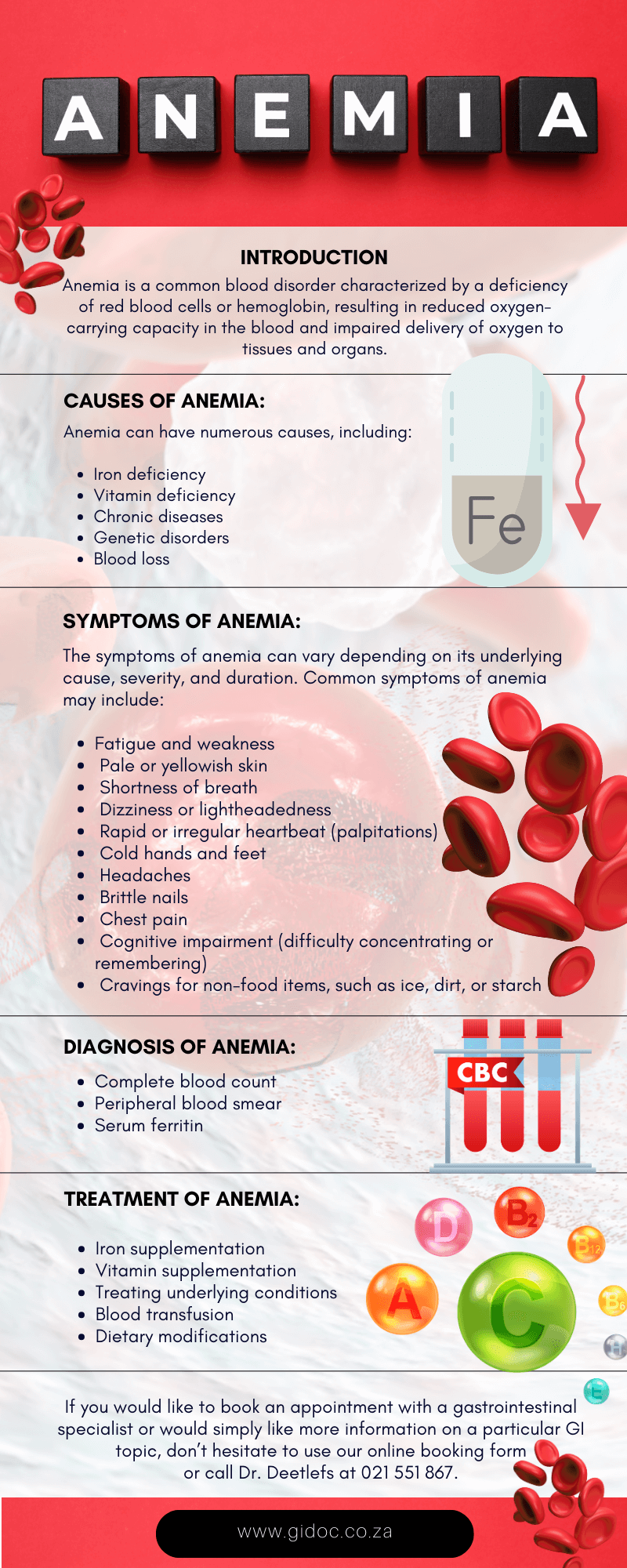
So, why is managing anemia so important in everyday life? Well, red blood cells are the delivery trucks of your body. They carry oxygen from your lungs to every single cell, tissue, and organ. When you're anemic, those trucks are running low on cargo. This leads to a cascade of problems: persistent tiredness that no amount of sleep seems to fix, shortness of breath even with mild exertion, pale skin that makes you look perpetually under the weather, frequent headaches, and even brittle nails. Successfully managing anemia is about reclaiming your energy, vibrancy, and overall quality of life. It allows you to fully participate in activities you enjoy, from chasing after your kids to tackling demanding work projects.
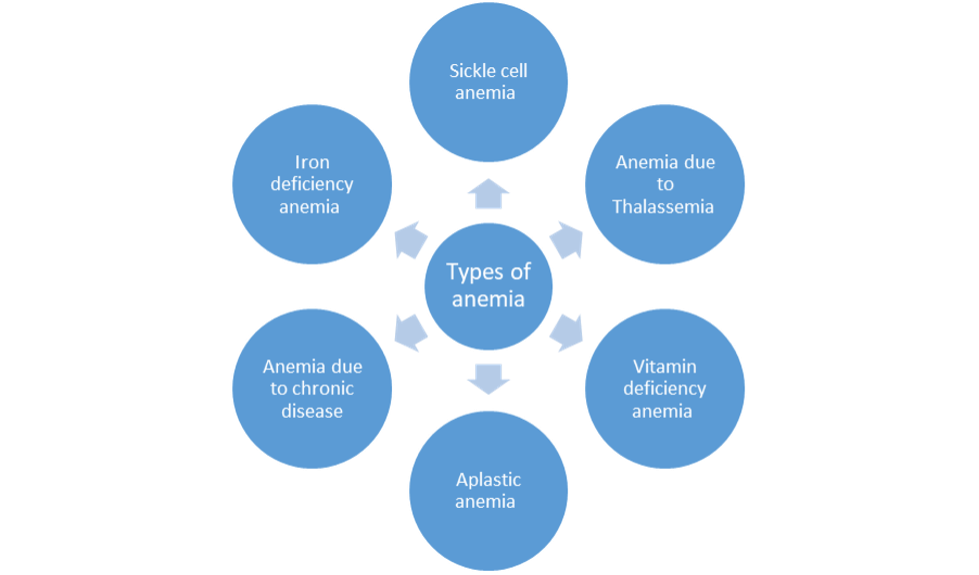
The ways you can contribute to anemia management are more diverse than you might think! One of the most common examples is focusing on your diet. Iron-deficiency anemia is the most prevalent type, so incorporating iron-rich foods like lean meats (especially red meat), poultry, seafood, beans, lentils, spinach, and fortified cereals is key. Think of adding a side of sautéed spinach to your steak dinner or opting for a lentil soup on a chilly day. Another important area is ensuring adequate vitamin intake, particularly vitamin B12 and folate, as deficiencies in these can also lead to anemia. Foods like eggs, dairy products, and leafy green vegetables are good sources. Sometimes, supplements are necessary to bridge the gap, especially if absorption is an issue, and that's where close communication with your doctor comes in.
Must Read
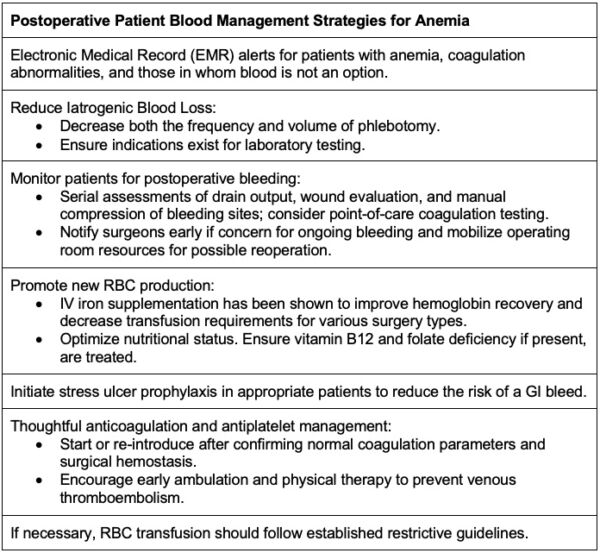
Beyond diet, lifestyle factors play a significant role. If you're a heavy coffee or tea drinker, try to avoid consuming these beverages with meals, as they can inhibit iron absorption. Consider scheduling your caffeine fix an hour before or after eating. Similarly, be mindful of calcium-rich foods like milk and cheese, which can also interfere with iron absorption. If you’re experiencing heavy menstrual bleeding, talk to your doctor about potential management strategies, as this is a common cause of iron deficiency in women. Finally, don't underestimate the power of regular check-ups with your doctor. Blood tests are essential for diagnosing anemia and monitoring your progress. Your doctor can help you determine the underlying cause of your anemia and develop a personalized treatment plan that may include dietary changes, supplements, or other medical interventions. Remember, you are an active participant in your health journey! Don't be afraid to ask questions, express your concerns, and work collaboratively with your healthcare team to achieve optimal results. Taking control of your anemia management is an investment in your long-term well-being.