
Yale Lock Not Working After Battery Change
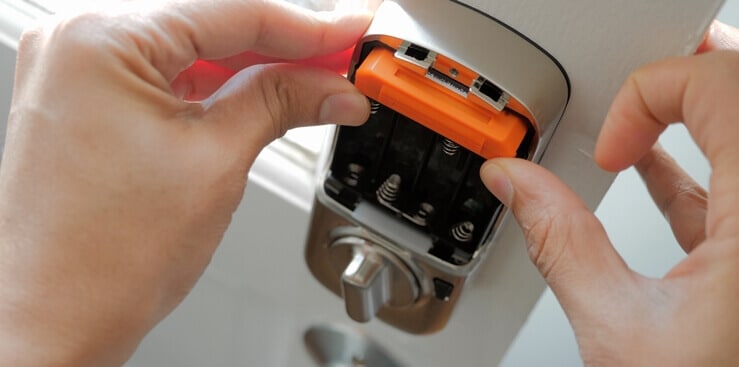
Oh boy, have I got a story for you. Grab a coffee, or maybe something stronger, because we're talking about one of life's little modern mysteries: the smart lock meltdown. Specifically, when your trusty Yale lock decides to throw a tantrum right after you, the diligent homeowner, did the one sensible thing – you know, changed its batteries.
Yeah, that's right. You're feeling all proud of yourself. "Look at me, being proactive! Avoiding that annoying low-battery chirp!" You pop in those shiny new AAs, maybe even Duracells, because you're fancy. You expect that satisfying little whir, that confident click, that undeniable feeling of security. Instead? Silence. Absolute. Crickets.
Your heart does that little plummet thing, right? Mine too. Because what was a perfectly functioning, keyless entry marvel just five minutes ago is now… well, it's just a chunk of metal on your door. A very expensive, very uncooperative chunk of metal. And you're standing there, looking at it like it personally offended you. "What did I do wrong?" you whisper, probably to yourself, because who else is going to understand this highly specific brand of tech-induced panic?
Must Read
First, the Obvious (or So We Think!)
Naturally, your first thought is, "Did I put the batteries in backwards?" Be honest, we've all done it. You pull them out, you double-check the little plus and minus signs, squinting like a detective. Nope, they're in correctly. Phew. Or… wait, maybe not phew, because now you have to consider other possibilities, and those are always more annoying.
Are they fresh batteries? Like, really fresh? Not those ones that have been rolling around in the junk drawer since the last millennium, next to a single AA and a questionable paperclip? You might even grab a multimeter if you're feeling particularly ambitious, or just, you know, try a different set from a newly opened pack. Because sometimes, just sometimes, even brand new batteries can be duds. It's rare, but it happens! The universe just loves to mess with us.

The Dreaded "Did It Lose Its Mind?" Phase
Okay, batteries confirmed good, orientation confirmed correct. Still nothing. This is where the real fun begins. Because now you're thinking, "Did my smart lock just… forget how to be a smart lock?" It's not totally unheard of, bless its little electronic heart. Sometimes, these gadgets just need a gentle nudge, or a slightly less gentle kick in the digital pants.
Have you tried the ol' power cycle? You know, the tech support classic? Take the batteries out again. Wait a solid minute. Count to sixty, really savoring the silence. Then, pop them back in. Sometimes that brief moment of total power deprivation is all it needs to clear its tiny, confused memory banks. Think of it as a mini-vacation for its microchips.

Calibrating Its Little Heart Out
Now, here's where it gets a little more specific to certain locks, Yale included. Many smart locks, especially after a battery change, need to re-calibrate themselves. They need to "re-learn" the door, the throw of the bolt, the whole shebang. It’s like when you wake up and have to remember which way is up. Happens to the best of us!
Sometimes, simply closing the door firmly and trying to lock it will kickstart this process. You might hear a little motor whirring, a bit more than usual, as it tests the waters. Other times, you might need to go into the app (if it's a connected lock) or even consult that glorious, often-ignored document: the manual. (Gasp! I know, right? The horror! But sometimes, it holds the secrets to the universe, or at least to your door.)

The manual will often tell you if there's a specific button sequence to initiate a recalibration or a "handing" process (where it figures out which way the door swings). Don't be afraid to poke around. You're not going to break it more than it already seems to be, right? (Famous last words, I know, but still!)
When All Else Fails: The Reset Button (or Call a Friend!)
If you're still staring at a stubborn, silent sentinel, it might be time for the factory reset. Now, this is a bit more serious, because it means you'll probably have to set up all your codes again, re-pair it with your smart home hub, the whole nine yards. It's like wiping its brain clean and starting fresh. Look for a tiny pinhole button, usually hidden somewhere clever, and be prepared to hold it down for what feels like an eternity.
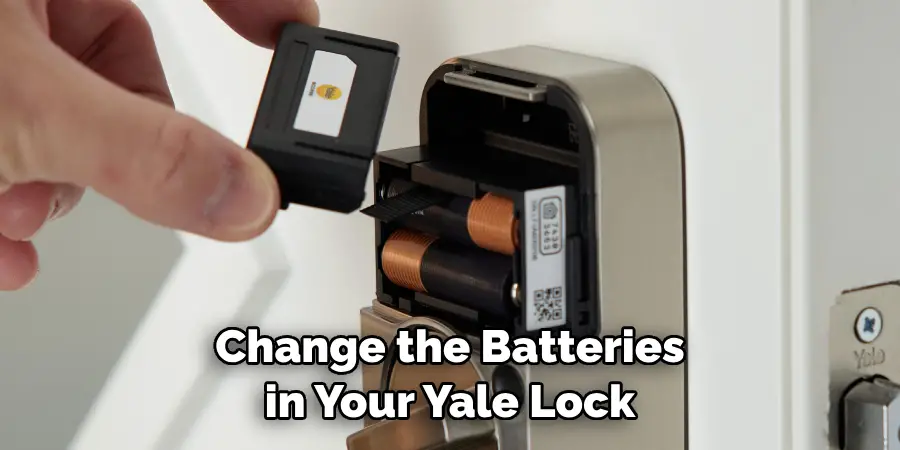
But hey, before you go full factory reset warrior, maybe shoot a text to a friend who also has a smart lock. Or, you know, Google it. There's a good chance someone else has faced this exact, infuriating, "Yale-lock-battery-change-induced-coma" scenario. You're not alone in this tech wilderness!
The Sweet Taste of Victory (Eventually!)
And then, suddenly, it works. You hear the whir. You see the bolt extend. The little green light glows. A sigh of relief so profound, it almost makes the whole ordeal worth it. Almost. Because now you know the secret handshake, the specific incantation, the ritual dance required to appease the digital gods of your front door. You've earned your stripes, my friend.
So, the next time your Yale lock plays dead after a battery swap, remember this chat. Take a deep breath. Check the basics. Do the power cycle. Look for that calibration magic. And if all else fails, the manual isn't just for reading on the toilet – sometimes it actually helps. You got this!