Winter Weather Advisory Vs Winter Weather Warning
Let's face it, when the weather forecast starts throwing around terms like "Winter Weather Advisory" and "Winter Weather Warning," most of us tune out or simply groan. But understanding the difference isn't just about knowing whether to grab the milk and bread. It's about unlocking a whole new level of winter preparedness and, dare I say, appreciation for the season. Think of it as learning a secret language that Mother Nature uses to tell you a story.
So, why bother deciphering these icy pronouncements? Well, for the artistically inclined, a better grasp of winter weather nuances can be incredibly beneficial. Imagine a photographer knowing precisely when the light will be perfect for capturing a stunning snowscape after a light advisory dusting, or a painter understanding the subtle color shifts in the sky just before a major warning-level blizzard hits. A craftsperson might be inspired to create snow-themed decorations, anticipating the upcoming snowfall, or even crafting cozy garments to combat the bitter cold predicted by the weather professionals.
For the hobbyist, knowing the difference allows you to plan your activities intelligently. Are you a snowshoe enthusiast? An advisory might mean a perfect day for a leisurely trek, while a warning signals it's time to stay safe and build a roaring fire instead. Perhaps you're a birdwatcher. Knowing the severity of the weather allows you to anticipate which birds might seek shelter and where, offering unique observation opportunities. Even for the casual learner, simply understanding the difference empowers you to make informed decisions about travel, outdoor activities, and general safety.
Must Read
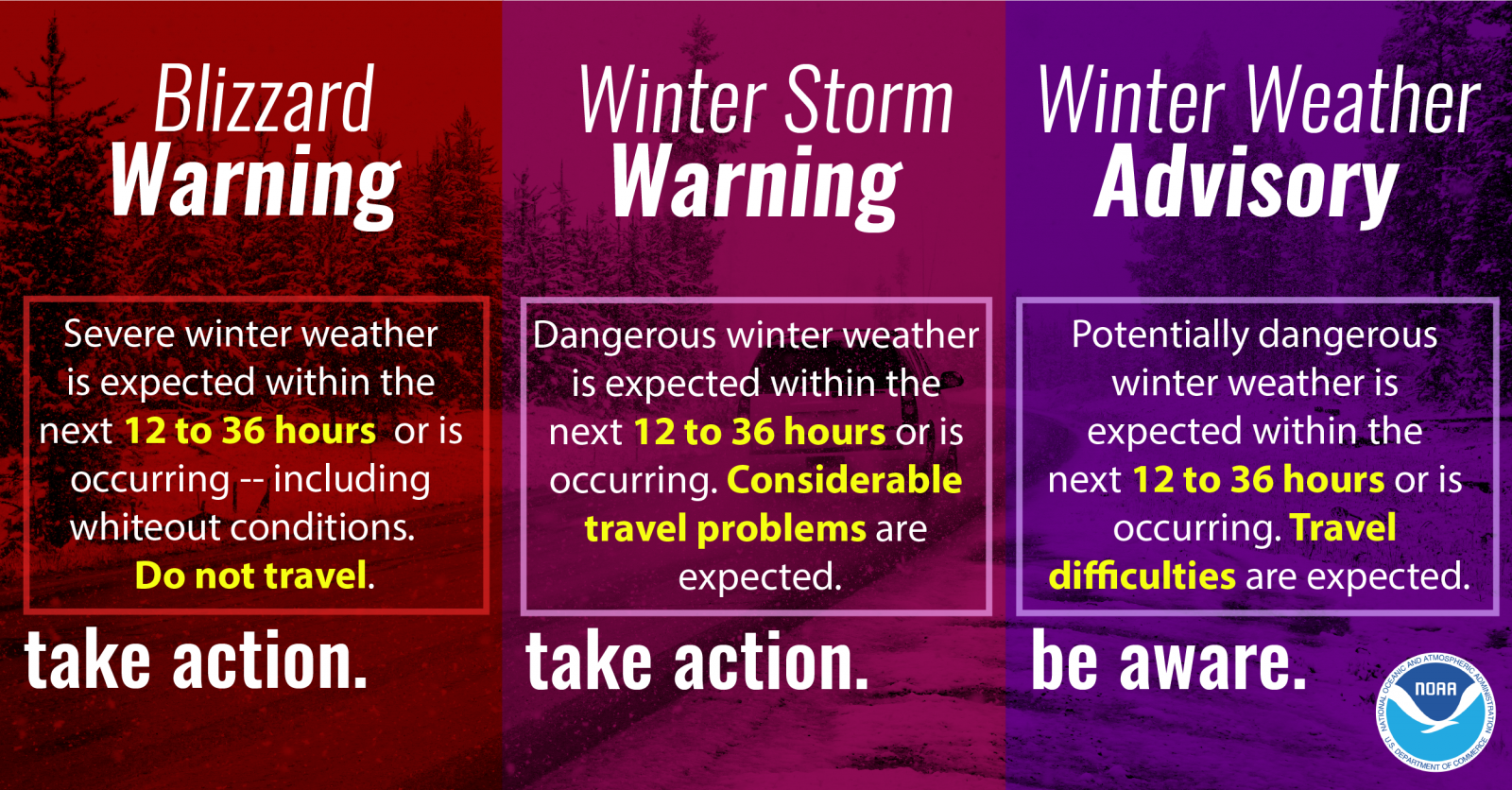
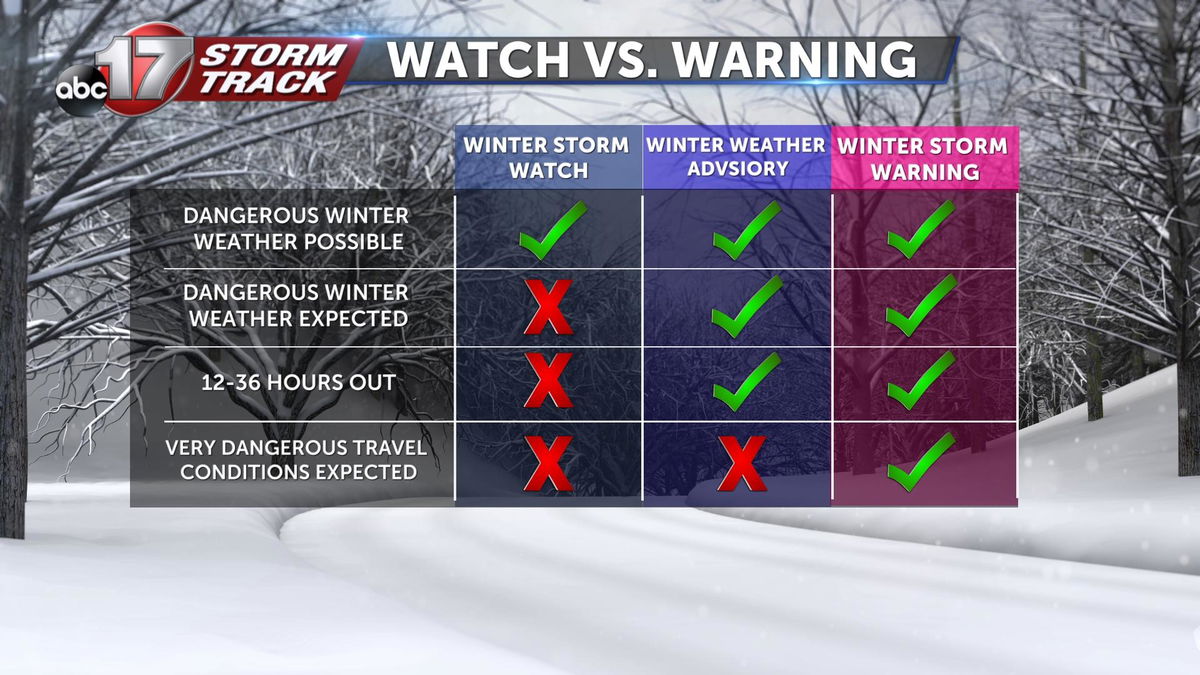
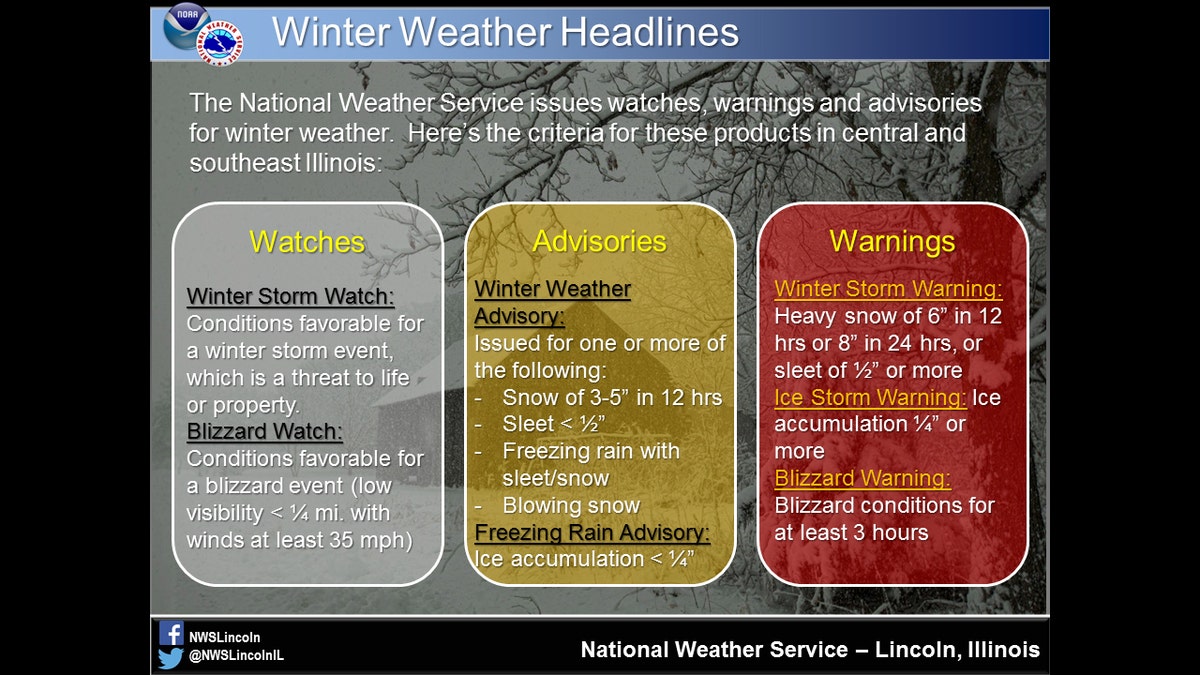
Let's break it down. A Winter Weather Advisory generally means that conditions are expected to cause inconveniences, but aren't life-threatening. Think slippery roads, blowing snow that reduces visibility, or a light accumulation of snow or ice. Examples include freezing drizzle that makes sidewalks treacherous or a few inches of snow that slows down the morning commute. On the other hand, a Winter Weather Warning signifies more severe conditions are expected or occurring. This could include heavy snowfall, blizzard conditions with strong winds and low visibility, or significant ice accumulation that can bring down trees and power lines. Basically, a warning means you should take precautions and potentially alter your plans.
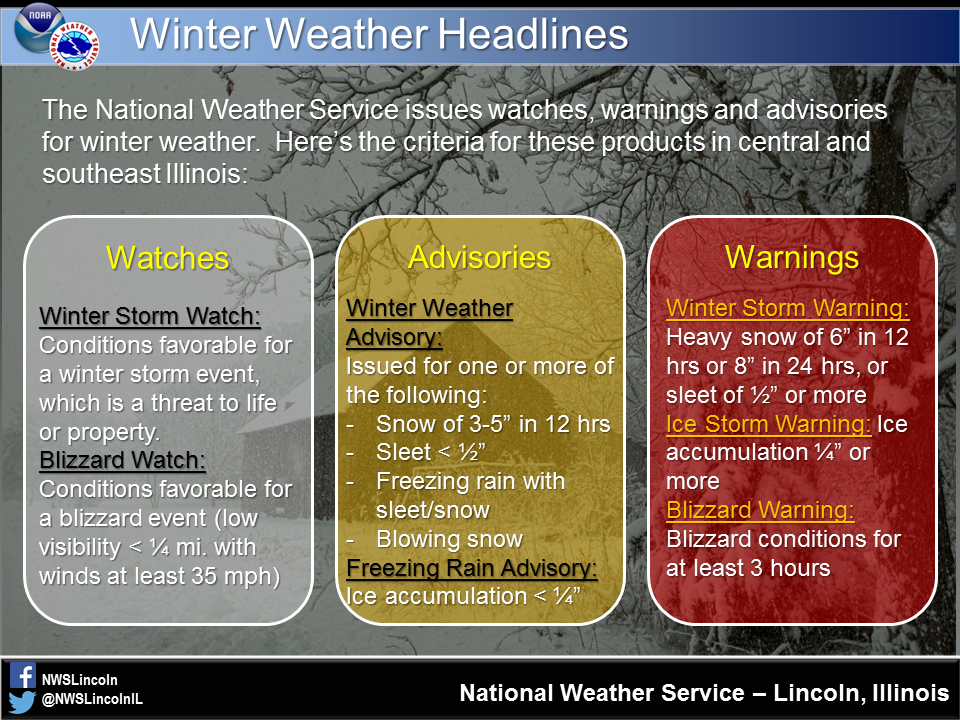
How can you learn to differentiate the two at home? First, pay close attention to the specific details provided in the forecast. Does it mention specific accumulation amounts? Are there wind speed predictions? Use online resources, like the National Weather Service website, to look up definitions and examples. Consider creating a "winter weather safety kit" – this not only prepares you for potential warnings but also reinforces the differences in your mind. You could even turn it into a fun family activity!
The truth is, understanding winter weather isn't just about being prepared; it's about appreciating the power and beauty of nature. By learning to read the signs, we move from fearing the cold to respecting it, and perhaps even finding a little bit of joy in the spectacular displays of winter's artistry. It’s about appreciating the subtle dance between a light flurry and a raging blizzard, and knowing when to embrace the snow and when to seek shelter. Ultimately, it's about connecting with the world around us, even when it's covered in a blanket of white.