
Will Smoke Alarm Go Off If Battery Is Low
Alright, gather 'round, folks, and let me spin you a yarn about one of life's most persistent, yet ultimately well-meaning, tormentors: the smoke alarm. Specifically, that infernal little contraption that seems to have a sixth sense for detecting when you've just drifted off into your deepest, most blissful sleep, only to unleash a sound that can only be described as a frantic, tiny robot trying to escape your ceiling.
You know the sound. It's not the full-blown, ear-splitting, "GET OUT NOW, THE HOUSE IS ON FIRE!" siren. No, no. This is far more insidious. This is the BEEP! (…long pause…) BEEP! (…another long pause, just enough for you to start questioning your sanity…) BEEP! It's the sound of a device clearly enjoying its power over your circadian rhythm.
The Great Mystery: Is It Fire or Just a Fussy Battery?
So, the million-dollar question, whispered in frustration from under many a pillow at 3 AM: "Will my smoke alarm go off if its battery is low?"
Must Read
And the answer, my dear friends, is a resounding, absolutely, unequivocally… YES!
But here’s the crucial distinction, and this is where many a groggy homeowner has had a comedic, if not slightly terrifying, misunderstanding. It's not going off because it thinks your toast is slightly too crispy. It’s going off to tell you, in its own charming, high-pitched way, that its energy source is on the brink of collapse.

Think of it as your smoke alarm’s dramatic flair for announcing its impending demise. It's not screaming "FIRE!", it's politely (or impolitely, depending on the hour) requesting a power snack. It's like a tiny, electronic toddler whining, "I'm hungry! Feed me a 9-volt, human!"
Why, Oh Why, Does It Do This to Me?!
Now, you might be wondering, "Couldn't it just send me a polite little text? Or maybe glow a soft, reassuring blue light?" And while those are excellent ideas for future generations of smoke alarms, the current models are designed with a singular, unyielding purpose: to save your life.
The engineers, bless their safety-conscious hearts, knew that if a smoke alarm simply died silently when its battery ran out, it would be utterly useless in an actual emergency. Imagine a silent guardian, standing vigilant on your ceiling, completely powered down. A hero, reduced to a decorative disc.
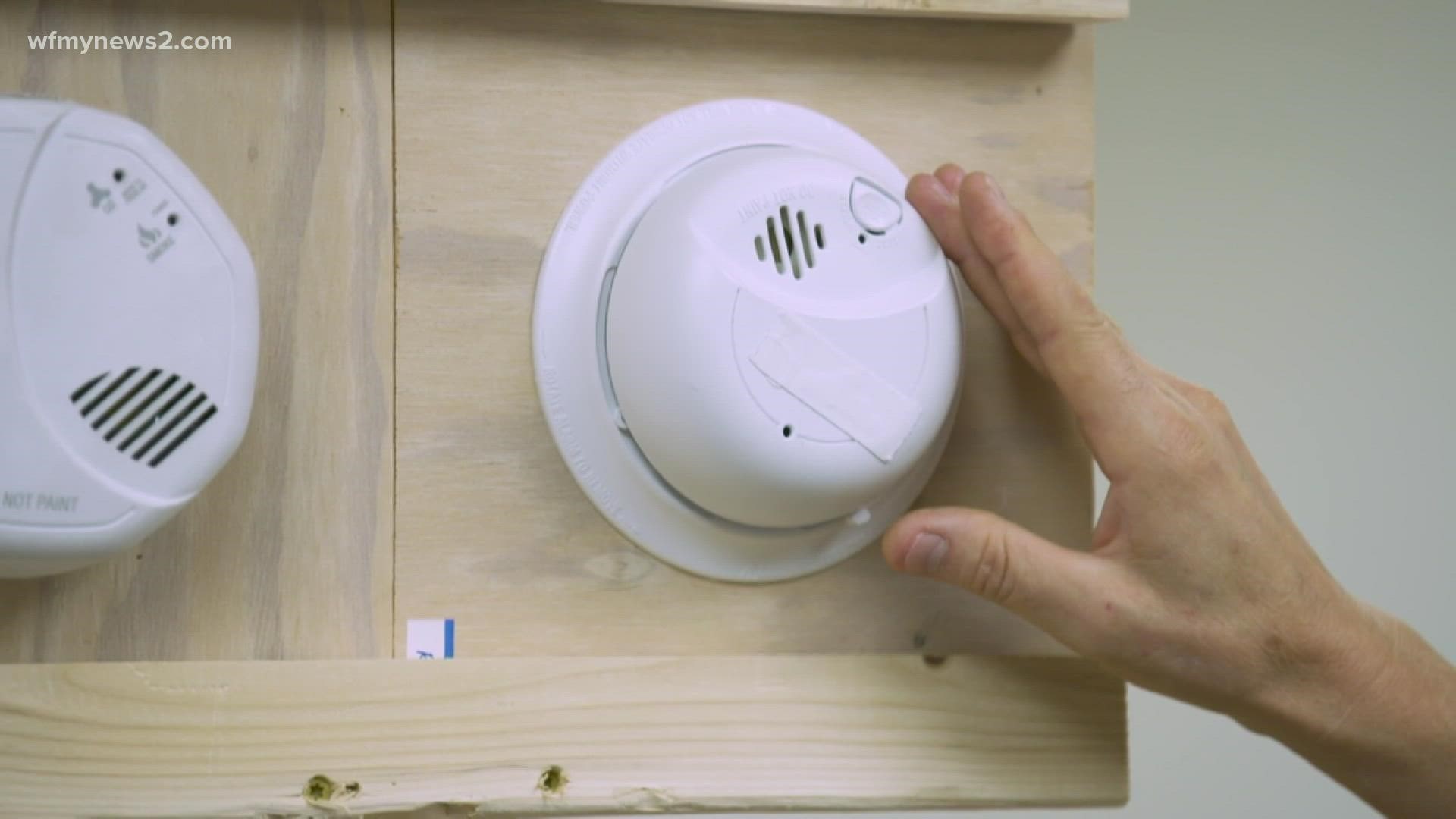
So, they programmed it to give you a warning chirp. This isn't the full-blown, panic-inducing siren that activates when it detects actual smoke. That's a continuous, ear-splitting wail designed to jolt you awake and out the door. The low-battery chirp is usually a short, sharp beep, repeated every 30 to 60 seconds.
It’s annoying, yes. It's strategically timed for maximum nocturnal disruption, absolutely. But it's also a brilliantly effective (if somewhat irritating) piece of preventative design. It forces you, through sheer auditory torture, to address the problem before your safety net disappears.
The Great Battery Hunt: What to Do When the Chirp Begins
When that infamous chirp starts, don't panic! Unless you see actual flames, in which case, panic and evacuate! But assuming it’s just the chirp, here’s your action plan:

Step 1: Locate the Culprit. If you have multiple smoke alarms, this can be an Olympic sport. The chirp always seems to echo, making it sound like it's coming from everywhere and nowhere simultaneously. Pro tip: Cup your ear and walk slowly. You’ll eventually narrow it down.
Step 2: Ascend! Grab a sturdy step stool or ladder. Safety first, people – don't try to channel your inner circus acrobat on a rickety chair.
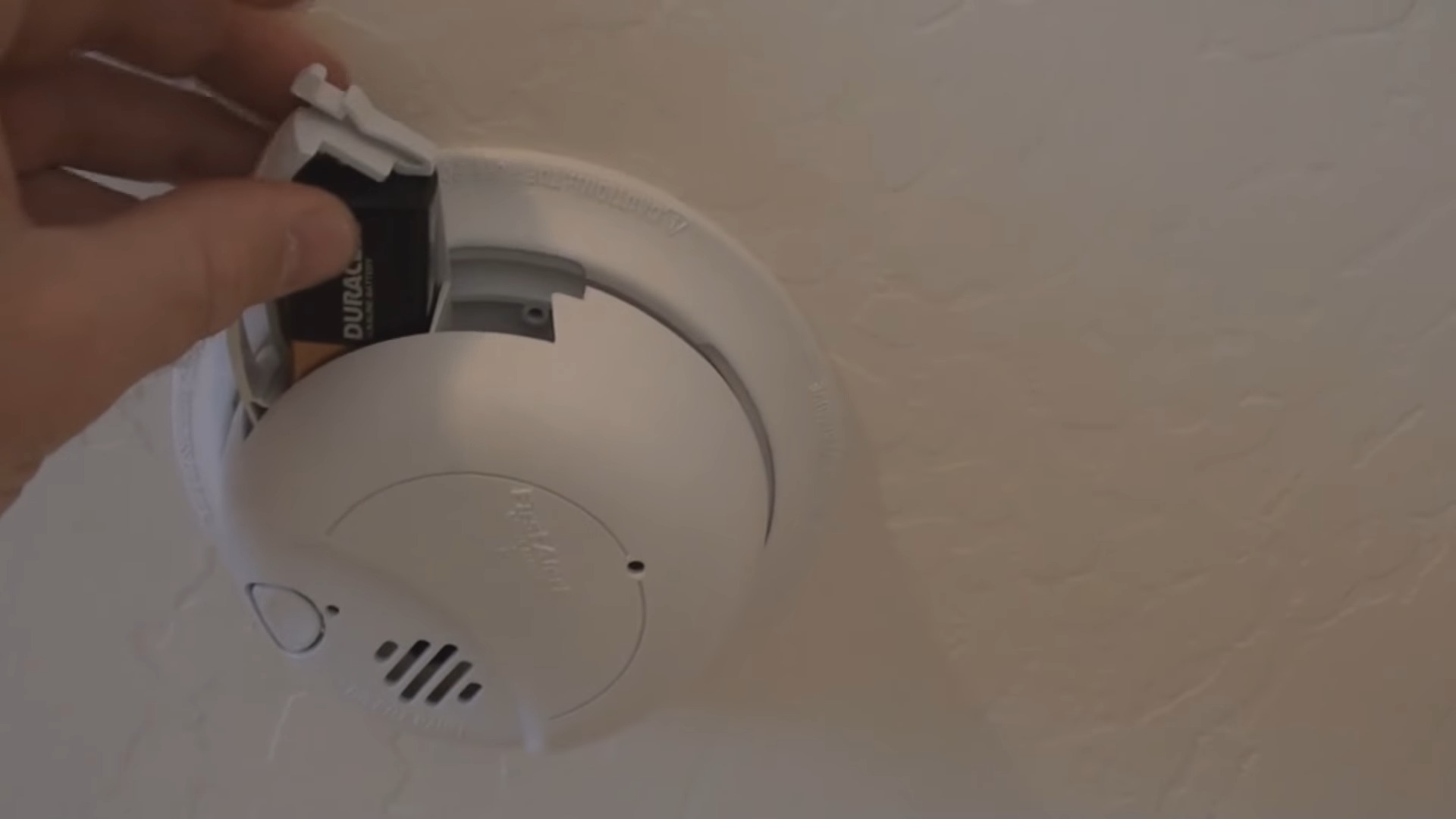
Step 3: Perform the Surgical Strike. Open the battery compartment. Most smoke alarms take a 9-volt battery, which looks like a tiny, rectangular brick. Some newer models might use AA or AAA. Always check the label!

Step 4: The Sacred Replacement. Pop out the old battery. Say a silent farewell to its service. Insert a fresh, new battery. This is where the magic happens. The chirping should cease almost immediately. If it doesn't, ensure the battery is correctly inserted and the compartment is closed.
Beyond the Chirp: Tips for a Quieter (and Safer) Life
To avoid future 3 AM serenades and ensure your home is truly safe, here are a few more nuggets of wisdom:
- Change Batteries Annually (or Bi-Annually!): Many experts recommend changing smoke alarm batteries at least once a year. A common hack is to do it when you change your clocks for Daylight Saving Time. "Spring Forward, Change Batteries Forward!" or "Fall Back, Change Batteries Back!" Easy to remember!
- Test Monthly: Every smoke alarm has a test button. Press and hold it for a few seconds. You should hear a loud, continuous alarm. If you don't, change the battery, and if it still doesn't work, it's time for a new unit.
- Know Their Lifespan: Smoke alarms don't last forever, even if you keep feeding them fresh batteries. The sensors inside degrade over time. Most manufacturers recommend replacing the entire unit every 8-10 years. Look for the manufacturing date on the back!
- Don't Disable Them: Seriously. It's tempting to rip the battery out in a fit of sleep-deprived rage, but that completely defeats the purpose. A silent smoke alarm is a useless smoke alarm.
So, the next time that little electronic terror starts its low-battery symphony, try not to curse its existence too much. Instead, give a weary nod of appreciation to its persistent dedication to keeping you safe. It’s not trying to annoy you (mostly). It’s just doing its job, making sure it’s ready to scream its head off if there’s a real emergency. And really, isn't that worth a few lost minutes of sleep?