Will Natural Gas Prices Go Up
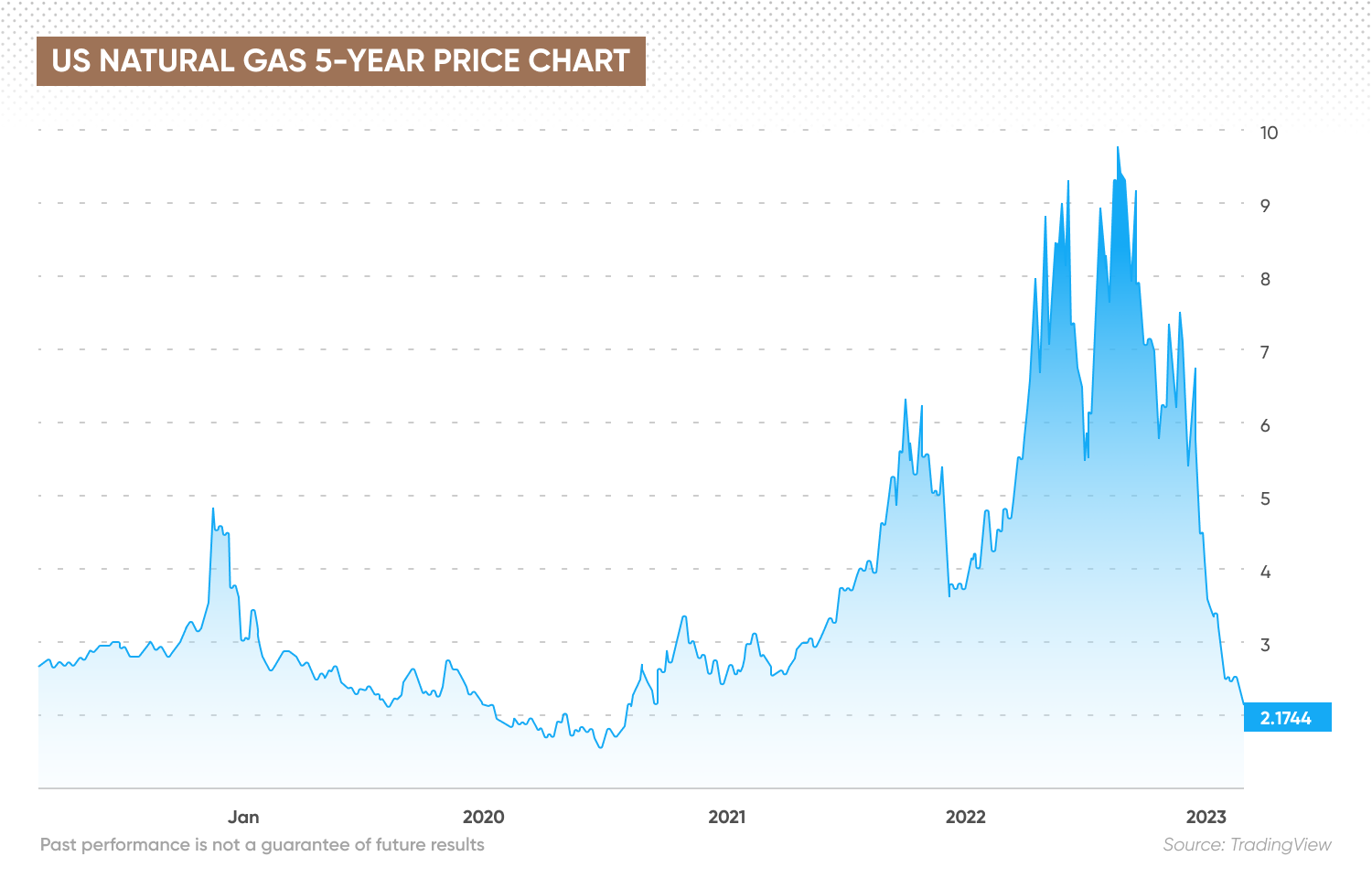
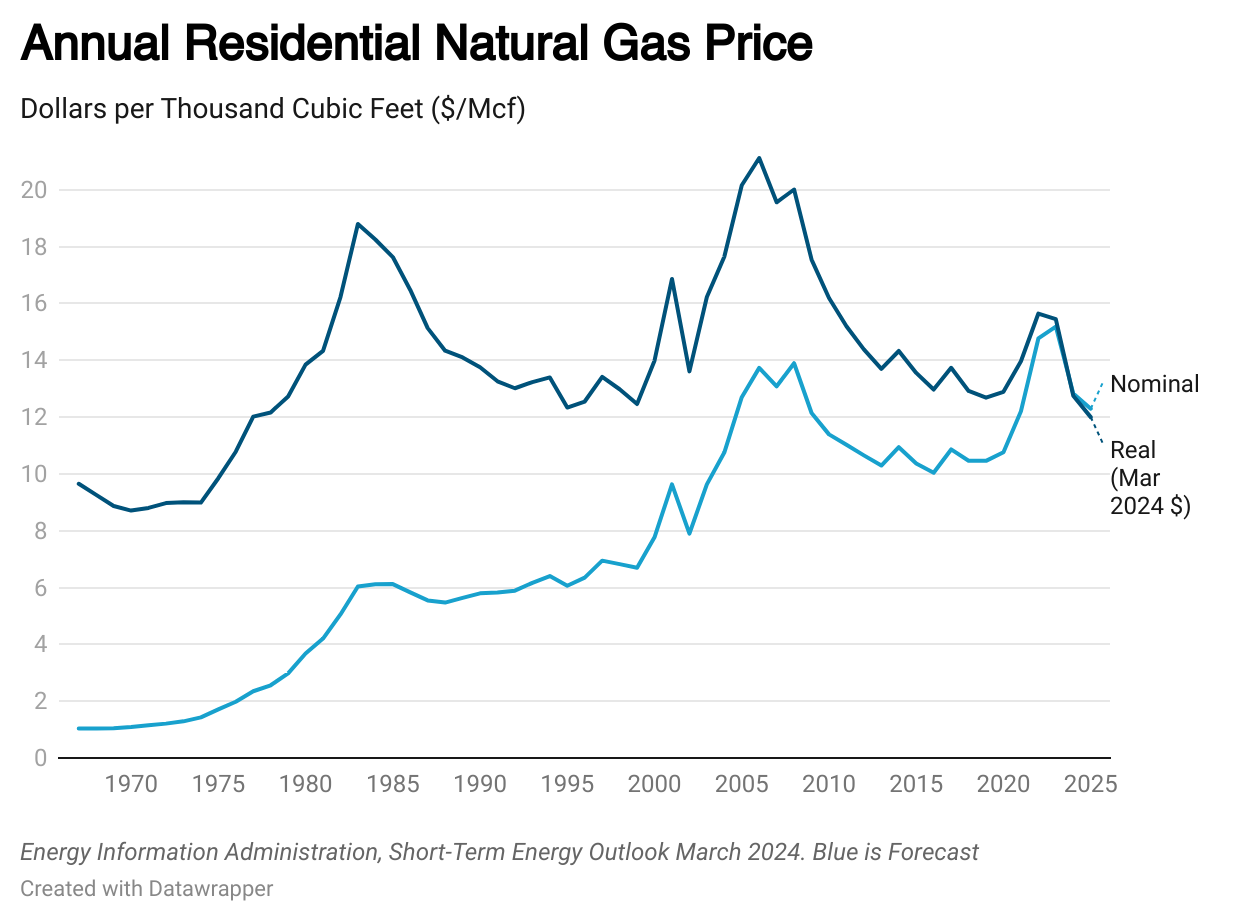
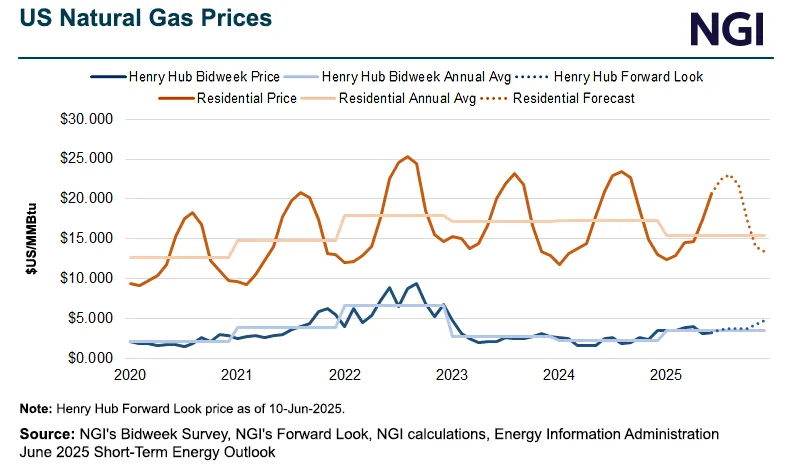
Ever open your utility bill and wonder if it's going to be a nasty surprise or a pleasant relief? You're not alone! The question of "Will natural gas prices go up?" might sound like something only economists care about, but it's actually a surprisingly fun and useful topic for all of us. Why? Because natural gas heats our homes, warms our water, and even helps generate the electricity that powers our lives. Understanding a bit about its prices is like having a superpower for your household budget – it puts you in control and helps you anticipate changes, making you feel much smarter about your daily expenses.
So, who benefits from peeking behind the curtain of natural gas prices? For beginners, it's a fantastic way to demystify those often-confusing energy bills. You'll learn why your costs fluctuate throughout the year and gain confidence in understanding a significant part of your household spending. For families, this knowledge is gold for budgeting. Knowing potential price trends can help you plan for colder months, make informed decisions about energy-efficient upgrades, or even decide when to crank up the thermostat a little less. And for the hobbyists out there – perhaps you're a keen gardener with a heated greenhouse, a homebrewer who relies on consistent heat, or someone who loves tracking market trends – understanding natural gas prices adds another layer of insight to your passions and helps you manage project costs more effectively. It’s all about empowering you with practical knowledge!
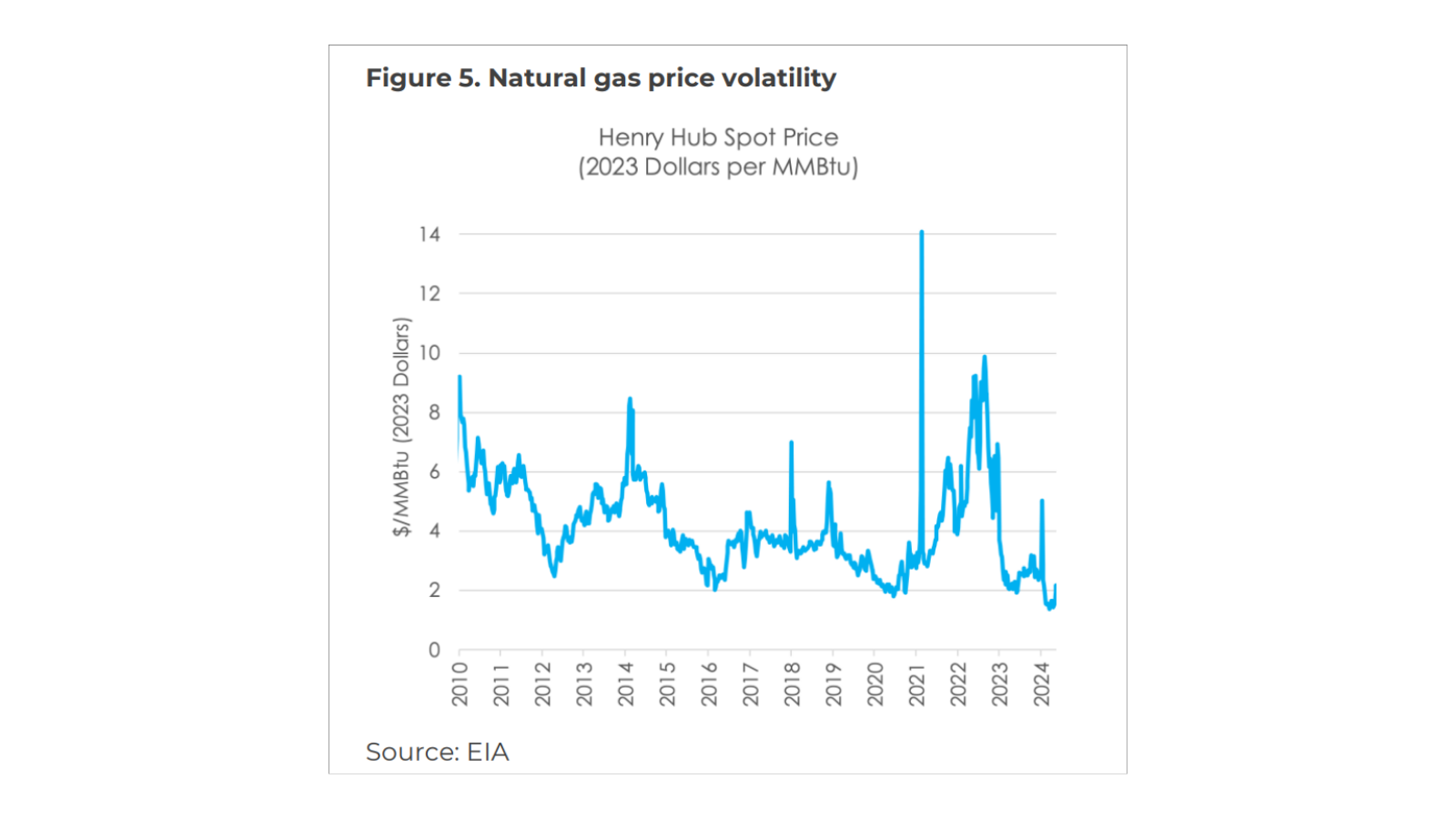
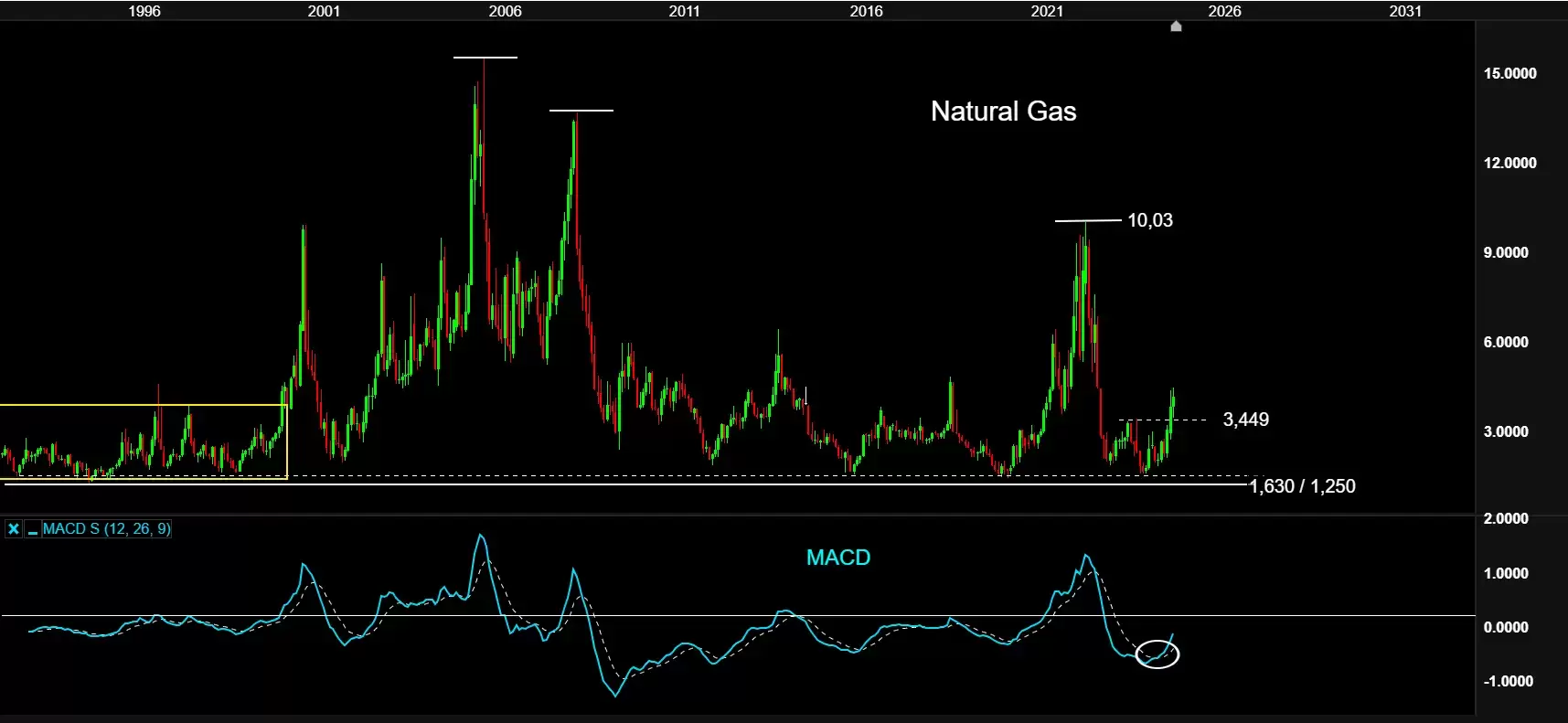
What exactly makes these prices dance up and down? It's a fascinating mix of factors, almost like a weather forecast for your wallet. The most significant influence is often the weather itself – a particularly harsh winter means higher demand for heating, which usually pushes prices up. Conversely, a mild winter can see prices fall. Then there's supply and demand; how much gas is being pulled out of the ground versus how much everyone needs. Global events, like geopolitical shifts or increased demand for liquefied natural gas (LNG) from other countries, can also have a ripple effect on local prices. Even the growth of renewable energy sources can play a role, as they change the overall demand for natural gas in electricity generation. It’s never just one thing, but a dynamic interplay!
Must Read
Ready to get started on your journey to energy price savvy? Here are some simple, practical tips. First, take a moment to really look at your utility bill. Understand not just the total cost, but also your actual usage and the rate you’re being charged per unit. Second, keep an eye on local and national weather forecasts, especially long-range ones – they're often a good predictor of future demand. Third, many government energy information agencies (like the U.S. Energy Information Administration, or EIA) offer consumer-friendly forecasts and data; a quick search can yield valuable insights. Finally, remember that energy-saving habits are your best defense: simple acts like sealing drafty windows, programming your thermostat, or even just wearing an extra sweater can significantly reduce your personal gas consumption, lessening the impact of any price hikes on your wallet.
In the end, diving into the world of natural gas prices isn't about becoming an energy market expert. It's about gaining a little bit of practical wisdom that makes your daily life smoother and your finances more predictable. It’s about replacing uncertainty with understanding, and feeling more in control of a crucial aspect of your household. Enjoy the empowerment that comes with knowing a little more about where your money goes – it's a truly valuable and surprisingly satisfying skill!