
Will Attic Fan Help Cool House

Ever stood in your attic on a sweltering summer day? Whoa nelly! It’s like stepping into an oven. Seriously, face-melting hot. If you've got a whirring, mysterious box up there, you’ve probably asked the age-old question: "Will this attic fan actually help cool my house?"
It’s a fantastic question, often debated in neighborhood chats. On the surface, it sounds logical: get that hot air out! But home comfort, like many things, has layers. Let’s peel them back together, shall we?
The Oven Effect: Why Your Attic Gets So Toasty
Picture this: your roof is basically a giant solar panel, soaking up all that glorious (and brutal) sunshine. Day after day, those rays bake the shingles, and that heat has only one place to go: right into your attic space!
Must Read
Think of your attic as a giant, sealed-off box directly under the sun. Heat naturally rises, so warm air from your living spaces tries to creep up there too, adding to the party. Plus, the sun's radiant energy heats up everything in the attic – the insulation, the wood, forgotten treasures – and those warm surfaces then radiate heat downwards, right into your ceiling. Yikes!
This turns your attic into a giant thermal blanket, trapping heat and slowly cooking your house from the top down. Your AC unit, bless its heart, then has to work overtime to fight this constant downward heat assault.
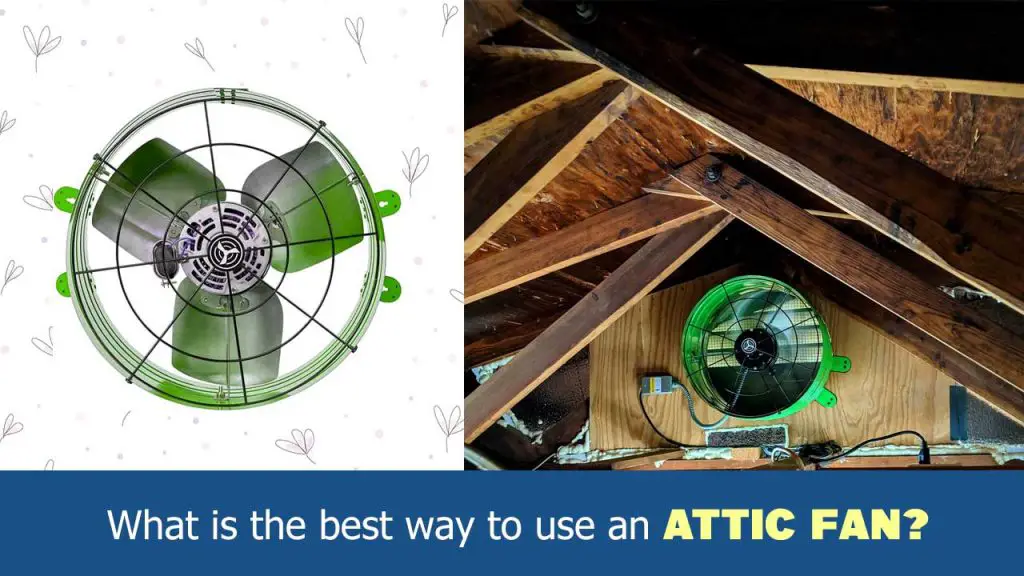
Enter the Hero? How an Attic Fan Works
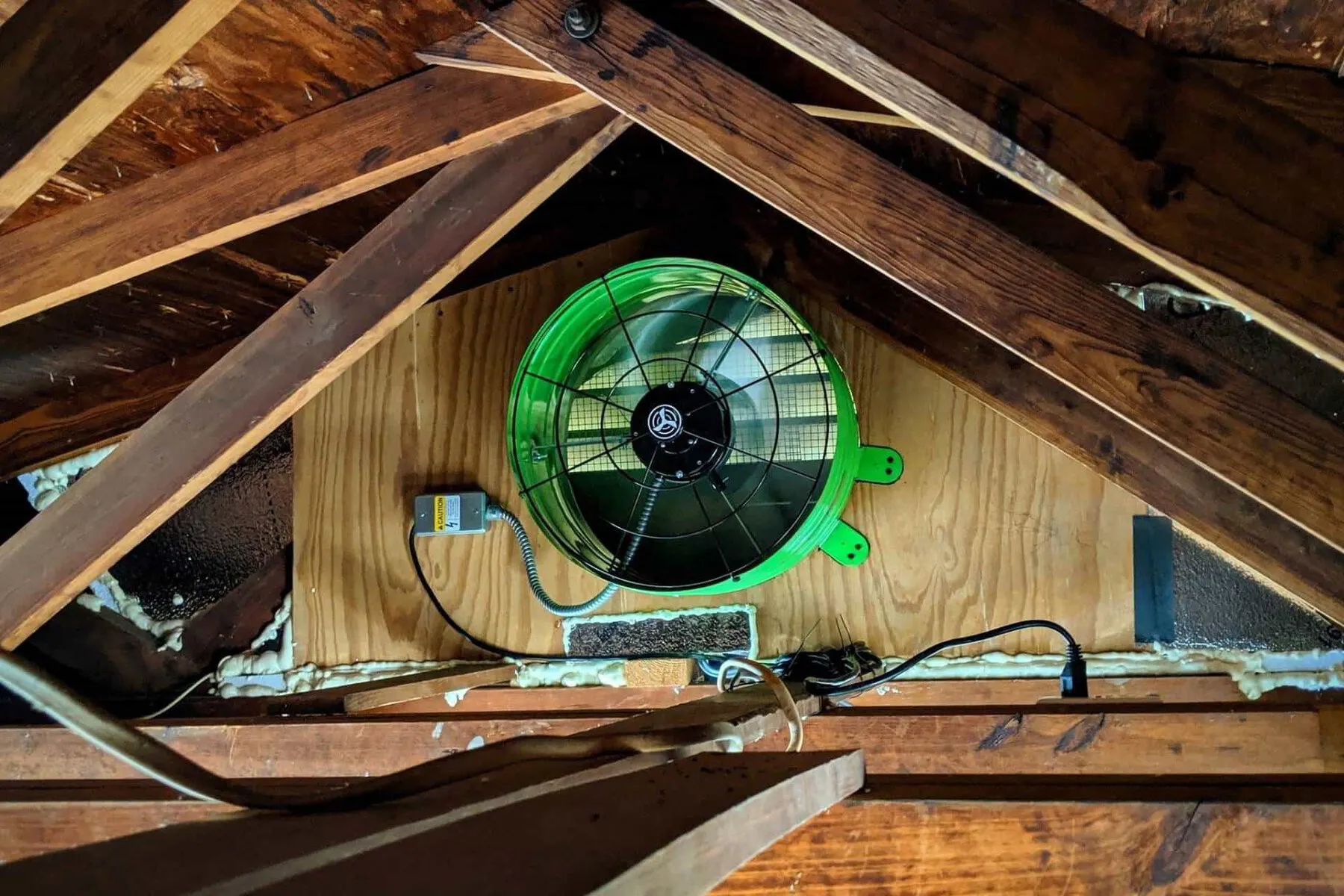
So, here comes our attic fan, buzzing away. What’s its mission? Simple: it’s a superhero of expulsion. Its job is to suck that ridiculously hot, stagnant air out of your attic space and push it outdoors.
When the fan expels hot air, it creates a slight vacuum. This negative pressure then pulls in cooler, fresher air from outside, typically through vents located under your roof’s eaves (those are soffit vents, fancy, huh?).
It’s like your house is taking a big, glorious exhale. Phew! Stale, hot air goes out; a fresh breath of (relatively) cooler air comes in. The goal is a continuous airflow, preventing heat from just sitting there and baking everything.

The Juicy Benefits: Cooler Rooms, Happier AC?
Okay, so if it works as intended, what’s the payoff? When your attic isn't a fiery inferno, a few good things happen:
- Less Heat Transfer: With cooler attic air, less heat radiates through your ceiling. Your rooms feel more comfortable, especially upstairs.
- AC Relief: Your air conditioning doesn't have to work as hard to combat radiant heat. It’s like giving your AC a much-needed break from wrestling a giant heat monster.
- Potentially Lower Bills: Less work for your AC could mean a few bucks saved on your energy bill. Who doesn't love that little win?
- Prolonged Roof Life: Some folks say it helps roof longevity by preventing excessive heat buildup that can degrade shingles. Every bit helps, right?
But Hold Your Horses: A Few Important Caveats
Before you rush out to buy a fan, there are crucial things to keep in mind. Because, as with all home improvement, it's not always a simple plug-and-play solution.
1. Ventilation is Key: Remember soffit vents? They’re critically important. Without enough soffit vents, your fan can't pull in fresh outside air. Instead, it might start sucking air from inside your house (gasp!). That's drawing conditioned air, making your AC work even harder. So, adequate intake vents are a must!
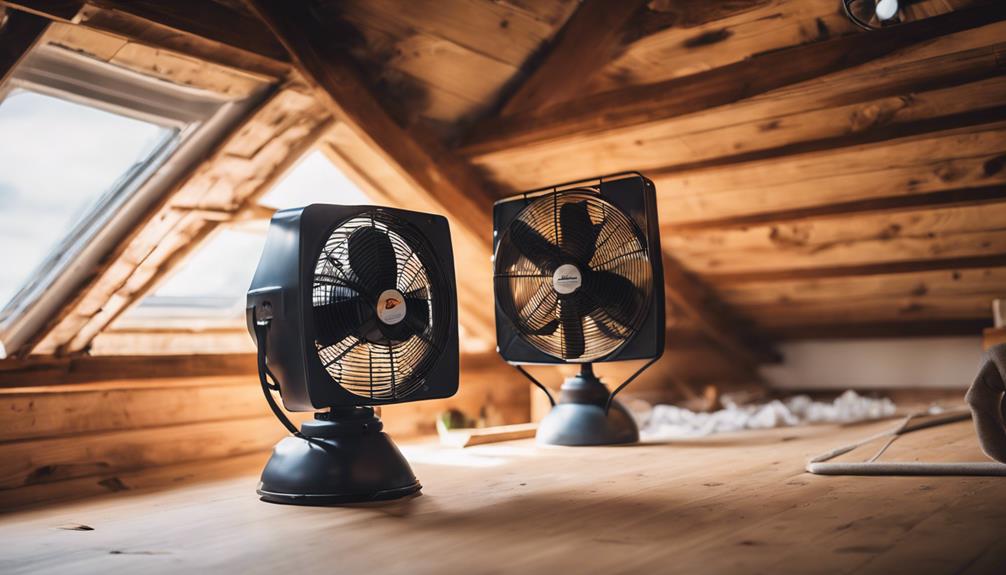
2. Proper Sealing Matters: Ensure your attic floor (which is your ceiling) is well-sealed. Gaps around light fixtures, plumbing, and even pull-down attic stairs can let your fan pull expensive, cooled indoor air right up into the attic and out. What a waste!
3. The Right Size: Too small a fan won't do much. Too big, and it can create negative pressure, drawing air from places you don't want. It’s all about finding that Goldilocks zone.
4. Insulation First: An attic fan is a helper, not a substitute for good insulation. If your insulation is thin or old, fixing that often provides a bigger bang for your buck. Think of insulation as the primary defense; the fan is a strategic retreat.
So, What's the Verdict? Will it Help?
In short: yes, probably! An attic fan, when installed correctly with adequate intake ventilation and a well-sealed attic floor, can make a noticeable difference. It reduces attic temperature and, consequently, the heat load on your home. It's a useful tool in your arsenal against summer sizzle.
It won't turn your scorching attic into a freezer, but it can turn it from a roaring bonfire into a cozy campfire. This reduction in heat translates to a more comfortable home and a happier, less stressed AC unit.
So, next time you hear that hum from above, you can confidently tell your friends, "Yep, that little guy is helping my house take a nice, big exhale!" And who knows, maybe it's even saving you a few pennies along the way. Now, isn't that cool?