
Will A Carbon Monoxide Detector Detect A Gas Leak
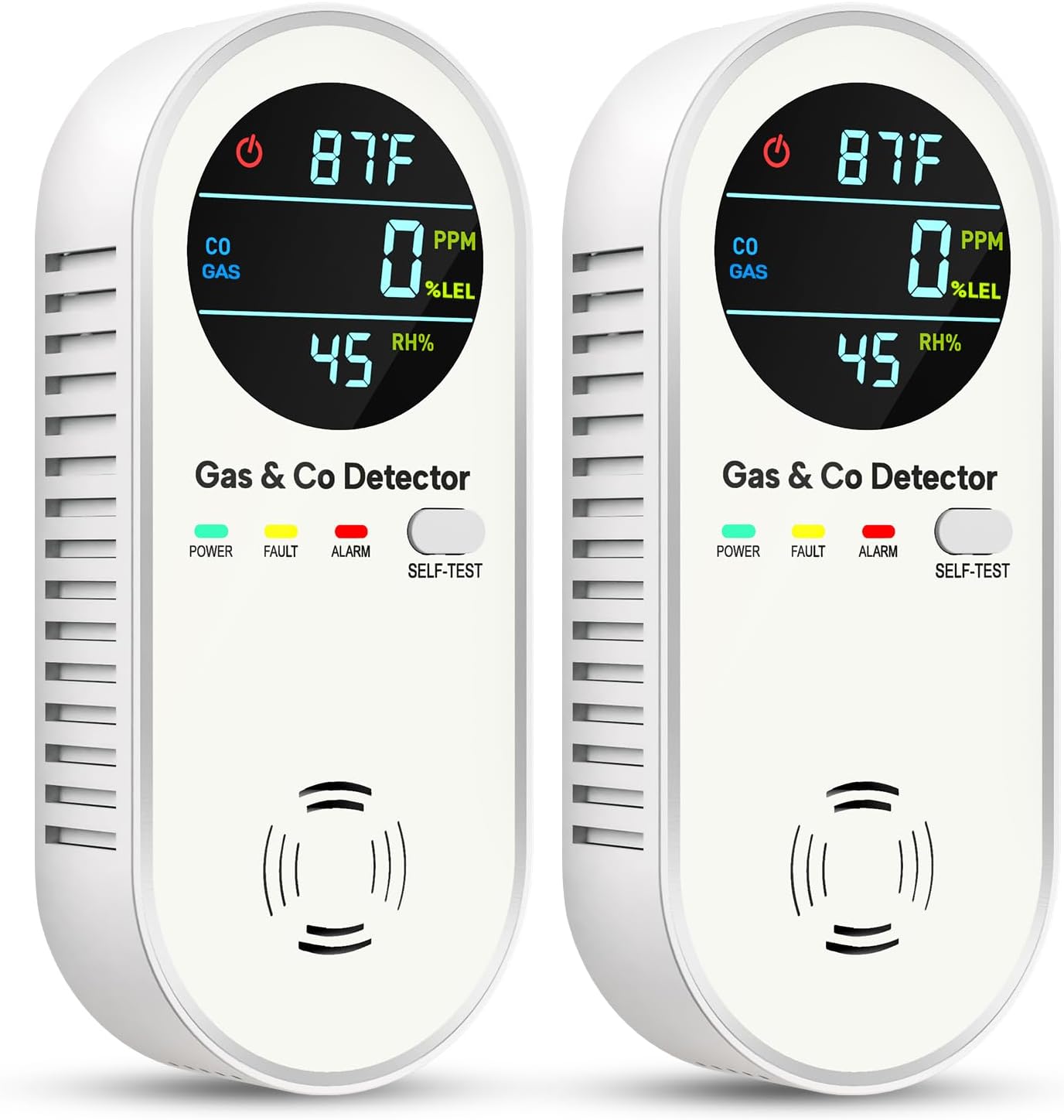
Ever wondered if that beeping gadget on your wall that's supposed to save your life from an invisible killer could also alert you to a pesky gas leak? It’s a question that pops up more often than you think, usually when you’re staring suspiciously at the stove or smelling something vaguely…off. Understanding the capabilities (and limitations) of our household safety devices is not just practical; it's empowering. So, let’s dive into the world of carbon monoxide and natural gas, and see if these detectors can pull double duty.
Let's start with the star of the show: the carbon monoxide (CO) detector. Its sole purpose in life is to detect the presence of, well, carbon monoxide. CO is an odorless, colorless, and tasteless gas produced by the incomplete combustion of fuels like natural gas, propane, wood, or even gasoline. Think faulty furnaces, blocked chimneys, or running a car in a closed garage. CO is dangerous because it prevents your blood from carrying oxygen, leading to serious health problems or even death. The benefit of having a CO detector is clear: it provides an early warning system, giving you time to escape and ventilate your home.
Now, about that gas leak. Natural gas (usually methane) is what fuels many of our appliances – stoves, water heaters, furnaces, and fireplaces. While natural gas itself isn't poisonous like carbon monoxide, it is highly flammable and can displace oxygen in the air, leading to suffocation in high concentrations. Plus, gas companies usually add a chemical called mercaptan, which gives natural gas that distinctive rotten egg smell, making leaks easier to detect. The crucial point here? Carbon monoxide detectors are designed to sense carbon monoxide, not natural gas.
Must Read
To illustrate, imagine a scenario: your child is learning about home safety in school. They're taught that a CO detector is essential for protecting against fumes from a malfunctioning furnace. However, they also learn that if they smell that tell-tale rotten egg odor, they shouldn't rely on the CO detector. Instead, they need to alert an adult immediately and evacuate the house. This is a classic example of how understanding the specific function of each safety device is important. In daily life, it's about recognizing the difference between a beeping CO detector (potentially CO present) and a lingering gas smell (potential gas leak). One requires immediate ventilation and checking your appliances; the other necessitates evacuating and calling the gas company.

So, what does detect a gas leak? Generally, your nose is the first line of defense, thanks to the added mercaptan. However, for a more reliable solution, especially if you have a diminished sense of smell, a natural gas detector is recommended. These detectors are specifically designed to sense the presence of methane or propane. They work similarly to CO detectors, sounding an alarm when gas levels exceed a certain threshold.
Want to explore this further? A simple experiment (done safely, of course!) can illustrate the difference. If you have a gas stove, very briefly turn on a burner without lighting it. You'll quickly smell the mercaptan. Observe if your CO detector reacts (it shouldn’t). This highlights the importance of using the right tool for the job. Also, regularly check your CO and natural gas detectors (if you have one) to ensure they are functioning correctly. Most have a test button. And remember, when in doubt, err on the side of caution. If you suspect a gas leak, evacuate immediately and call your gas company or emergency services.


