
Why Would Smoke Alarm Go Off Without Smoke

Ever been there? You're just chilling, minding your own business, and suddenly your smoke alarm decides it's auditioning for a heavy metal band. BEEEEEEEP! BEEEEEEEP! BEEEEEEEP! Your heart jumps, your cat goes airborne, and you frantically scan for flames. But... nothing. No smoke. Zip. Zero. Nada. What gives?!
It’s like your house is playing a prank, right? This phantom alarm is actually super common, and honestly, a little bit hilarious when you think about the silly reasons behind it. Let's dive into the bizarre world of smoke alarms gone wild, no actual fire required!
The Steam Scene Stealers
Ah, the shower. A steamy sanctuary. Until your smoke alarm thinks it’s detecting water vapor. Yep, if your bathroom gets super cloudy after a hot shower, and your alarm is nearby, it might just throw a fit.
Must Read
Some smoke alarms detect tiny, invisible particles. Steam? A bunch of tiny water particles! It confuses them. Like a bouncer trying to tell identical twins apart – tough job! Hot showers, boiling pasta, even humidifiers trick these sensitive sensors.
Dust Bunnies and Bug Bandits
Believe it or not, your smoke alarm might be screaming because of a rogue dust bunny. Or, even funnier, a tiny spider or an unsuspecting fly who decided to set up shop inside its sensor chamber. Imagine that! A minuscule intruder triggering a full-blown emergency alert.
These particles and creepy crawlies can mess with the sensor's light or ionization chamber. They literally block the path, tricking the alarm into thinking something much worse is happening. It's like a tiny haunted house! A quick vacuum or compressed air blast often solves this dusty, buggy mystery.
Culinary Calamities (Without the Charred Bits)
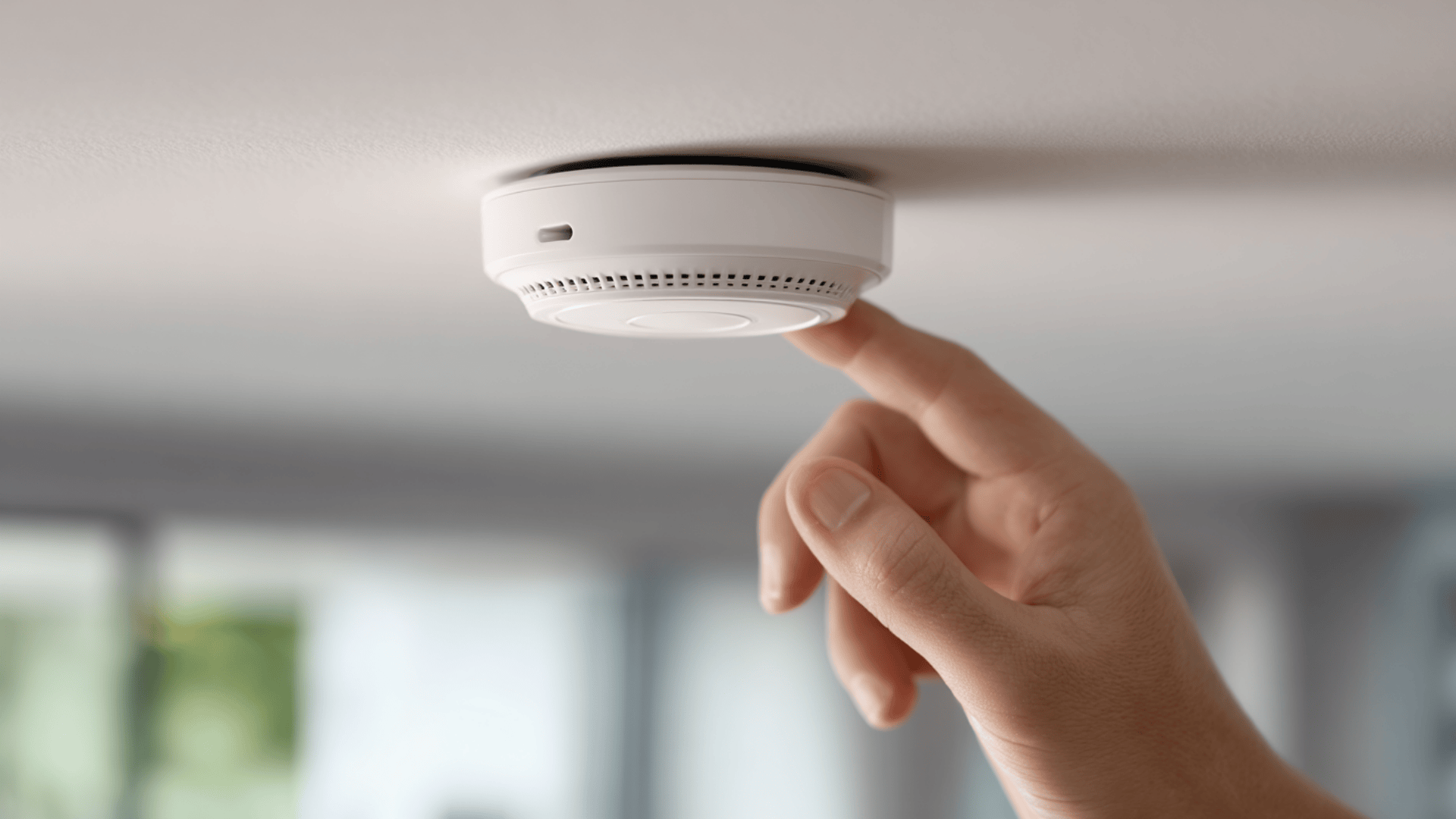
We've all heard the "burnt toast" saga. But did you know your smoke alarm can go off even if your cooking isn't actually smoking? Cooking fumes, especially from high-heat methods like frying or searing, release tiny particles into the air. These aren't necessarily smoke, but they're close enough to fool a sensitive detector.
Think sizzling bacon, or that epic searing steak. Tiny grease particles and vapors look like smoke to sensors. It's not judging your cooking, just doing its job too enthusiastically. Pro tip: ventilation is your friend! Open a window before attempting that extra-sizzle stir-fry.
The Mysterious Case of the Low Battery Chirp
Okay, this one isn't "without smoke" in the false alarm sense, but it's probably the most infuriating and common reason your smoke alarm makes noise when there's no fire. It's that relentless, ear-splitting chirp every 30 seconds. Usually in the dead of night. Why? Its battery is on its last legs, and it wants you to know in the most annoying way possible.

It's like a tiny, urgent SOS from a dying gadget. And it's not a full alarm, which makes it even more frustrating to pinpoint. Just replace the battery, please! Your sanity (and your neighbors') will thank you.
Invisible Irritants: Sprays and Chemicals
Ever used a strong cleaning spray, hairspray, or even an air freshener a little too liberally near your smoke detector? BEEEEEEEP! Surprise! Many aerosols and strong chemical fumes contain fine particles or volatile organic compounds that can trigger an alarm.
They're literally designed to disperse tiny droplets or gases. To your smoke alarm, these look suspiciously like something that shouldn't be floating around. So next time you're giving your hair that extra hold, give your alarm a wide berth. It's not trying to rain on your parade, just being overprotective.
The Grumpy Old Alarm
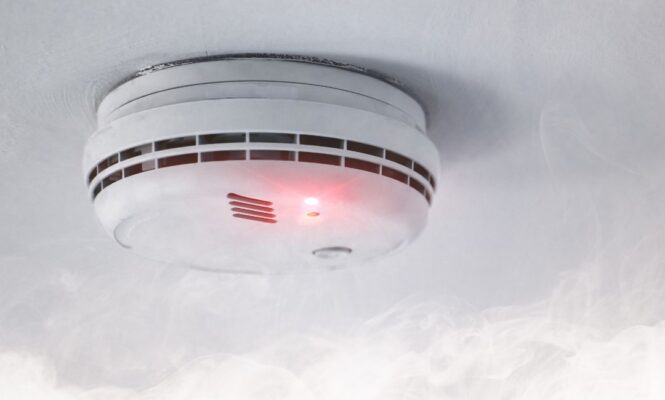
Sometimes, your smoke alarm is just... old. Like us, they get a bit cranky with age. Sensors degrade, dust builds up, and internal components wear out. Most smoke alarms only last 8-10 years.
After that, "mystery alarms" become more frequent. It's their way of saying, "Hey, I've served my time! Time for retirement." Check the manufacturing date. If it's pushing a decade, it's upgrade time. A fresh alarm won't pull these "false alarm" stunts as often.
So, How Do They "See" This Stuff?
Without getting too science-y, there are two main types. Ionization alarms are tiny, charged particle detectors. They have a small radioactive piece creating an electrical current. Smoke particles (or steam, or dust!) disrupt it, triggering the alarm. Good for fast-flaming fires.
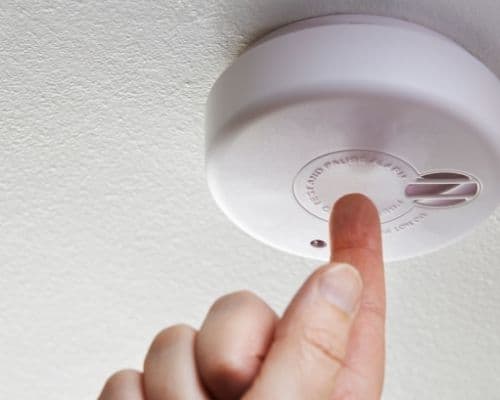
Then there are photoelectric alarms. These have a light source and a sensor. If smoke (or dust, or cooking fumes!) enters the chamber, it scatters the light, triggering the alarm. They're better at detecting slow, smoldering fires. Both types, while brilliant, can be hilariously sensitive to things that aren't actually smoke. It's like they're trying too hard to protect you!
Keeping the Peace (and Your Ears)
So, what's the takeaway from all this alarm-ing fun? Keep your alarms clean (a quick vacuum once a month works wonders!). Ventilate your kitchen and bathroom well. Change those batteries annually (or when they start chirping!). And replace alarms every 8-10 years. Most importantly, remember that even when dramatic, they're there to keep you safe.
Next time your smoke alarm decides to throw an unscheduled concert, you'll know it's probably not a fire. It's just your house being a little quirky, maybe a bit dusty, or perhaps you just made a really steamy cup of tea. Now you can totally impress your friends with these fun facts about why your smoke alarm is such a drama queen!