
Why Would I Need A Carbon Monoxide Detector
Imagine settling down on a chilly evening. The fireplace is crackling, a delicious dinner is simmering on the stove, and maybe the furnace is humming gently in the background, keeping everything perfectly toasty. Everything feels cozy, safe, just right. But what if there was an invisible, odorless, sneaky guest crashing your party, totally unnoticed? Not a mouse, not a dust bunny, but something far more serious. This, my friends, is where our chat about carbon monoxide comes in.
Meet the Sneaky Silent Guest: Carbon Monoxide
Let's talk about Carbon Monoxide, or CO for short. It's often called "the silent killer," and honestly, that name isn't just for dramatic effect. CO is a gas that’s truly invisible, has absolutely no smell, and no taste whatsoever. Think of it like a master of disguise – a ninja gas that can sneak into your home without so much as a polite knock or a whispered hello. You wouldn't even know it's there until it's too late. Pretty spooky, right?
You might be thinking, "Well, where does this invisible ninja even come from?" Good question! CO usually comes from perfectly normal, everyday things in your home. We're talking about appliances that burn fuel: your trusty furnace, that water heater working hard in the basement, your gas stove cooking up feasts, a cozy fireplace, or even a barbecue grill used too close to the house. Even a car running in an attached garage can produce it.
Must Read
If these fuel-burning items aren't venting properly, or if you're running a generator during a power outage, they can start producing CO. It’s not that they’re bad appliances; they just need a little monitoring to make sure they’re doing their job safely and efficiently, sending those exhaust fumes outside where they belong.
Why Is This Invisible Guest So Nasty?
Here’s the slightly science-y bit, but I promise to keep it friendly. When you breathe in CO, it's like a really pushy party crasher trying to get into your red blood cells. Our blood loves oxygen, right? It carries it all over our body, keeping everything happy and healthy, from our brain to our toes. But CO is a bit of a bully. It barges in and takes oxygen's spot, pushing it out. And it's really good at it, too – CO latches onto your blood cells much more easily than oxygen does!
Suddenly, your body isn't getting the oxygen it desperately needs. Imagine trying to run a marathon when someone keeps stealing your shoes! Not ideal, right? Your brain, your heart, all your vital organs start to struggle because they’re being starved of their favorite food: oxygen.
The Tricky Symptoms (Often Mistaken for "Just a Bug")
What does feeling like you’re missing oxygen feel like? Well, here’s another reason CO is so incredibly tricky. The early symptoms often mimic the flu: headaches, dizziness, nausea, tiredness, shortness of breath, or just generally feeling weak. You might just think, "Ugh, must be that bug going around," and decide to take a nap. But that nap, unfortunately, could be incredibly dangerous.
You might feel a bit woozy while making your morning coffee, or just generally off for no clear reason. Maybe you and your family are all feeling a bit under the weather at the same time, but when you step outside for fresh air, you start to feel a little better. It’s easy to shrug off these feelings, but those seemingly minor discomforts could be a big, flashing red flag that CO is present in your home. It’s not "just a bug" if everyone in the house has it at the same time, and it clears up outside.
Your Home's Personal Bodyguard: The CO Detector!
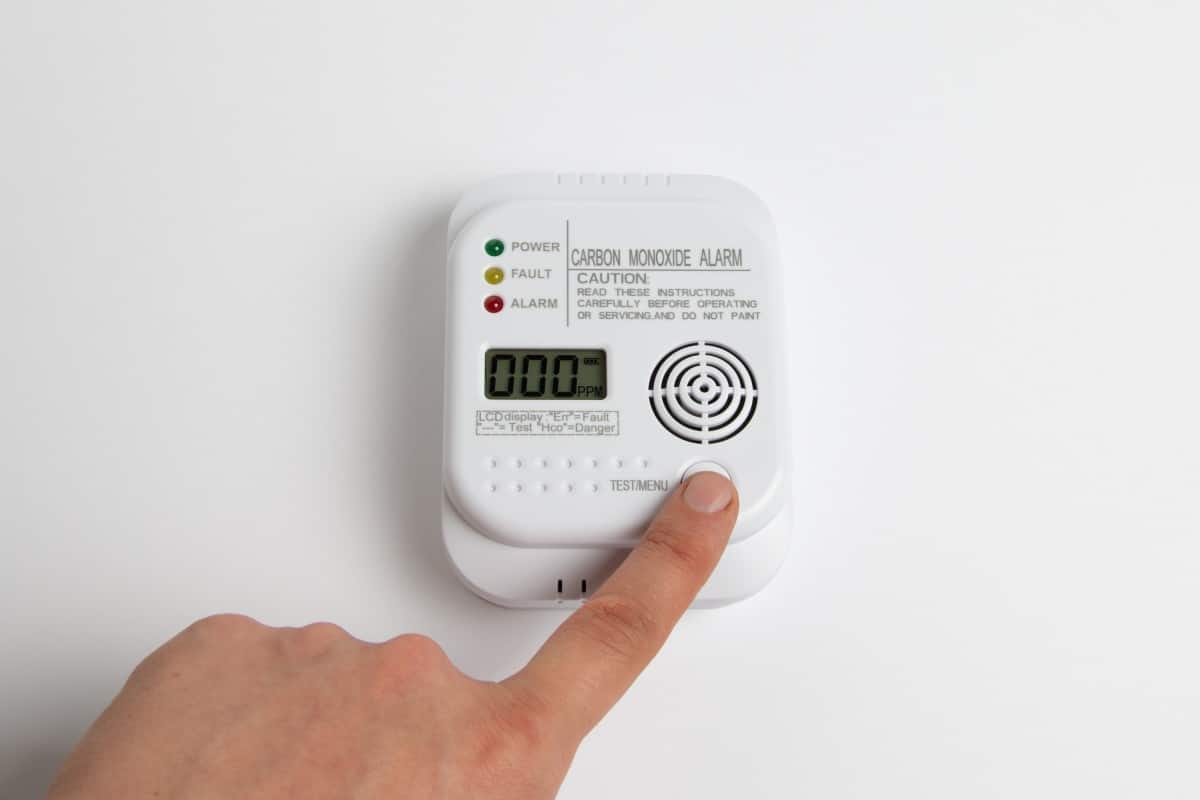
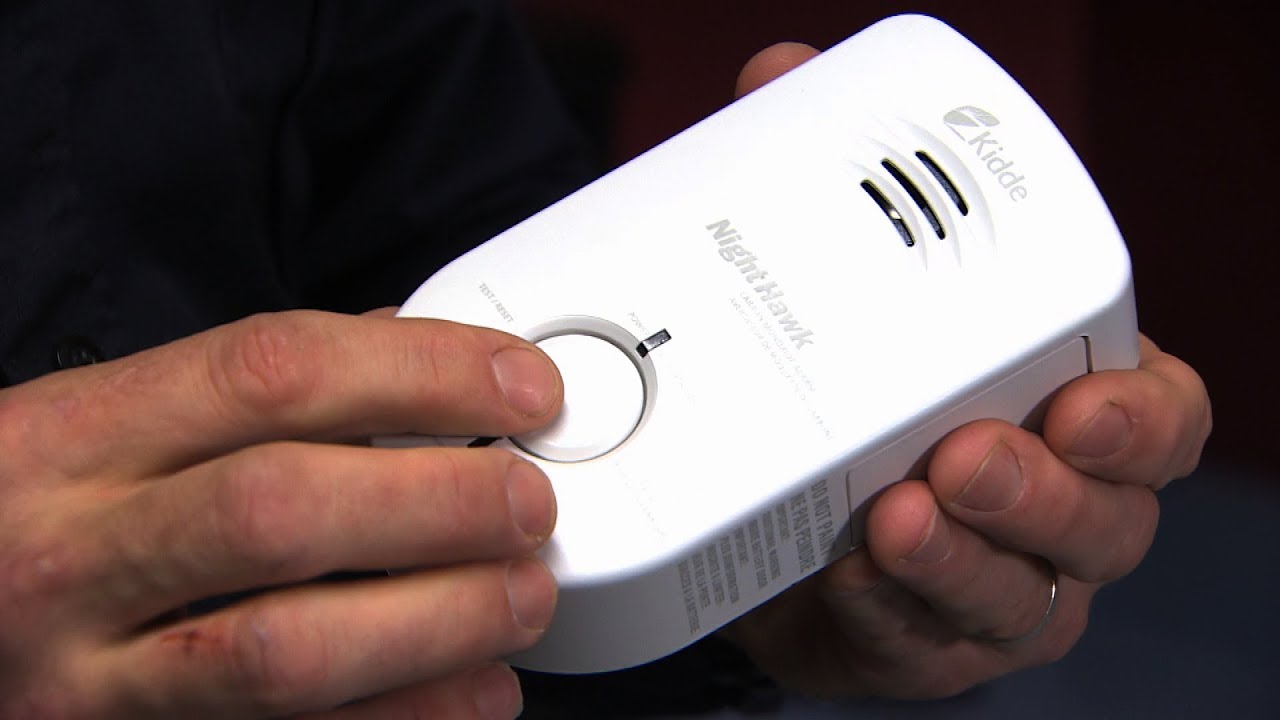
So, how do you catch this invisible ninja before it causes any real trouble? Enter the Carbon Monoxide Detector! Think of it as your home's personal bodyguard, a superhero with super-sensing abilities, always on alert. It’s like having a little canary in a coal mine, but without the actual canary! This clever device is designed to sniff out CO long before you or your loved ones would ever know it's there. And when it detects trouble, it lets out a loud, unmistakable beep to warn you. It’s your wake-up call, your guardian angel, your peace-of-mind provider all rolled into one little gadget.

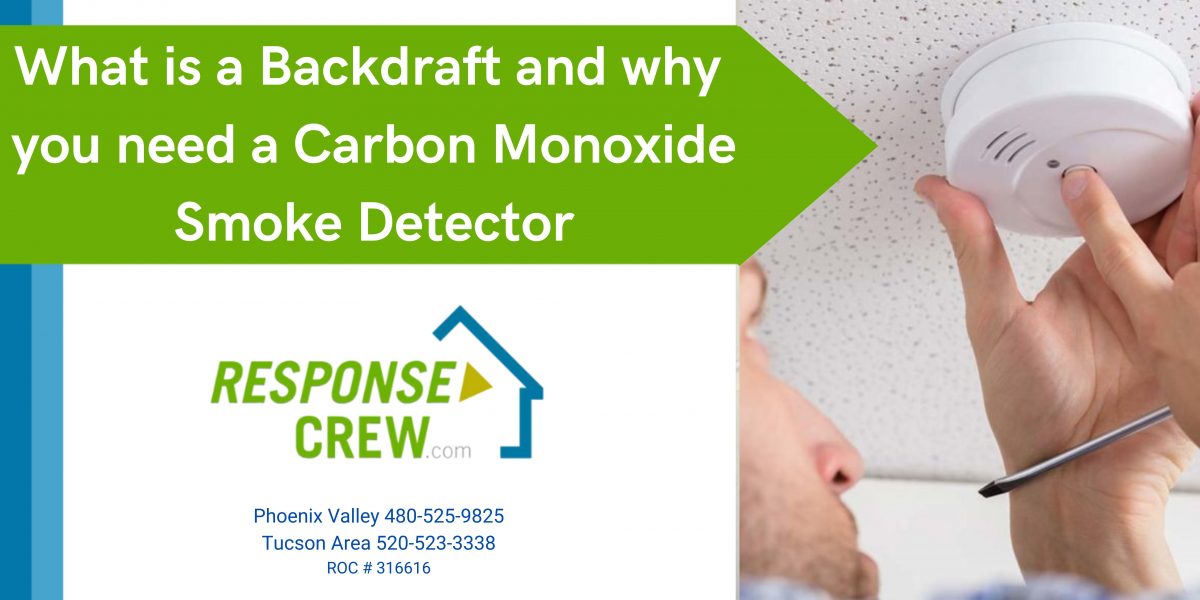
These detectors are super easy to find and install, honestly – no need for a DIY degree. You want one near sleeping areas, so it can wake you up if CO levels become dangerous while you're snoozing. It’s also a good idea to have one on every level of your home, especially near any fuel-burning appliances. And just like your smoke detector, it needs fresh batteries! Give it a quick test once a month, just like checking if your car has enough gas before a road trip. It’s a tiny bit of effort for a whole lot of peace of mind.
Why You Should Care (Beyond Just Safety)
In a world full of big worries and endless to-do lists, this is one little thing you can do that makes a huge difference. It’s about protecting your home, your family, your furry friends, and even your houseplants from an unseen danger. It’s about ensuring that your cozy evenings truly are safe, without any unwelcome, invisible guests. It’s about being proactive and taking a simple step to safeguard the people and pets you love most.
So, why not make a date with your local hardware store? Grab a CO detector or two. You’ll breathe easier (literally!) knowing you've got this silent sentinel on duty, keeping an eye out. It’s a small investment for such a significant return: the safety and well-being of everyone under your roof. Your peace of mind is absolutely worth it.
