
Why Is Sunlight Considered A Renewable Resource
Okay, picture this: You’re at the beach, right? Slathered in sunscreen (hopefully!), building the most epic sandcastle ever. You glance up, and BAM! The sun is just blasting down. And you think, “Man, this is intense. Hope it doesn’t run out before I finish my moat.”
But, spoiler alert: you’re probably good. And that little beach-bum anxiety brings us to the big question: Why is sunlight considered a renewable resource?
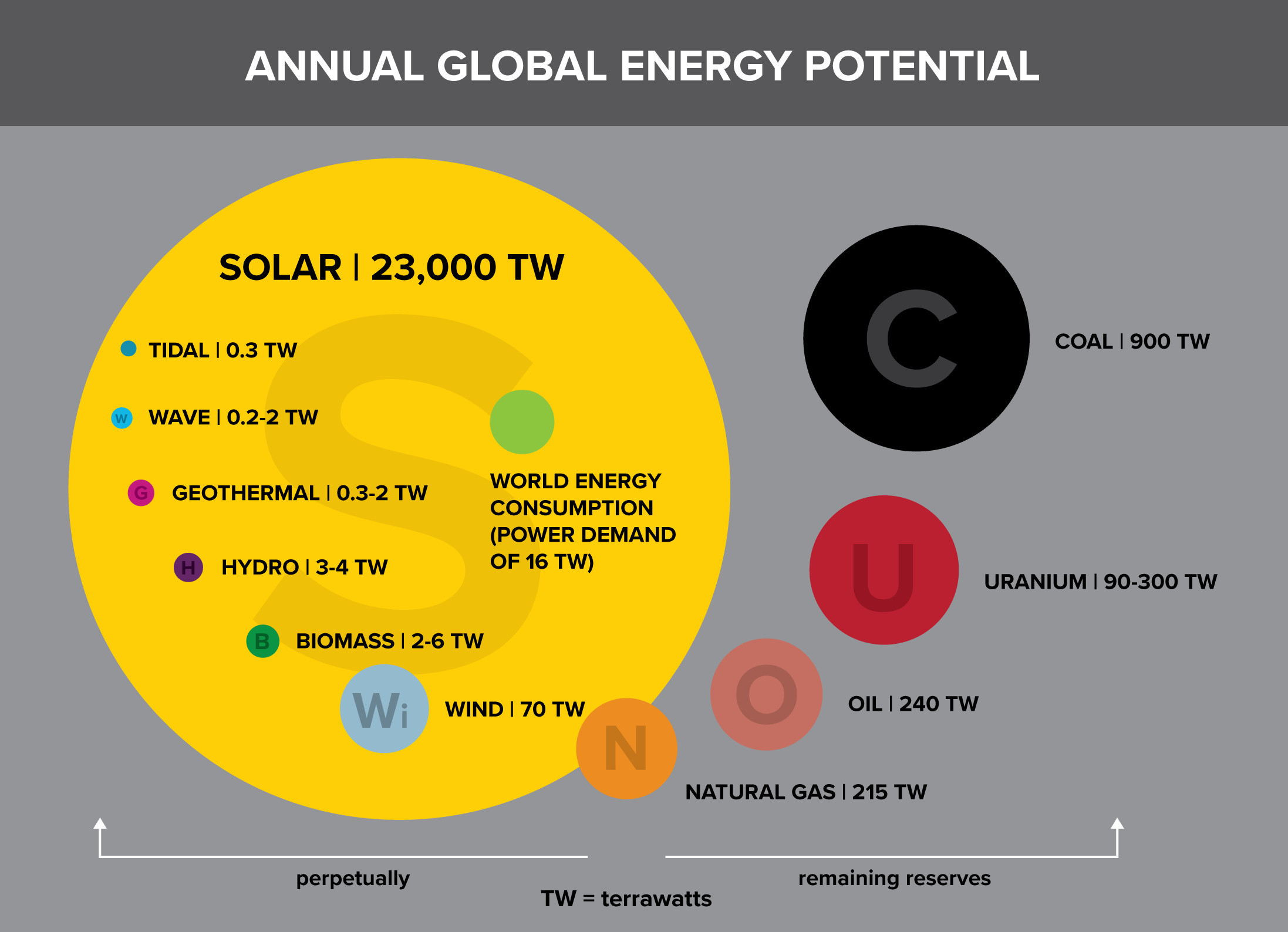
Well, let’s break it down. The key word here is "renewable." A renewable resource is something that either replenishes itself naturally or is practically inexhaustible on a human timescale. Think wind, water, geothermal energy… and, of course, our star, the sun.
Must Read
The Sun: A Giant, Never-Ending… Almost… Powerhouse
Let's be real, the sun isn't actually never-ending. Eventually, like billions of years from now, it's going to go all supernova-y and… well, let's not worry about that existential dread today, okay? For all practical purposes, considering the lifespan of, you know, civilization as we know it, the sun is pretty much a limitless source of energy.
That’s because the sun is powered by nuclear fusion – basically, smashing hydrogen atoms together to create helium and a whole heap of energy. There’s a lot of hydrogen in that big ball of gas. Enough to keep us going for, as I said, billions of years. So, relax, your solar panel investment is safe.
Think of it like this: It's like having an unlimited supply of free gasoline, except, you know, without the pollution and the nagging feeling that you're contributing to climate change. (Okay, maybe that's too much enthusiasm for "unlimited gasoline." Sorry.)
Why Sunlight is Renewable: The Nitty-Gritty
Here's where we get a little more specific: Sunlight checks all the boxes for a renewable resource:
- Constantly Replenished: The sun's energy is continuously being produced. We’re not "using it up" in a way that prevents more from being created. It's not like fossil fuels where once we burn them, they're gone (at least for a very, very long time).
- Sustainable Use: Harvesting sunlight, through solar panels or other technologies, doesn't significantly diminish the source. We're not "depleting" the sun in any meaningful way. Think of it like taking a tiny sip from a vast ocean.
So, essentially, the sun is just chilling up there, happily blasting out energy, and we're here to catch a tiny fraction of it. It's a pretty sweet deal, if you ask me.
Okay, So Why Aren't We Using All The Sunlight?
Great question! And the answer is… complicated. While the source of sunlight is renewable, the technology we use to harness it isn't always perfectly sustainable. Manufacturing solar panels, for example, requires resources and energy. Disposal of old panels also presents challenges.
Plus, there's the whole issue of storage. The sun doesn't shine 24/7 (unless you live in space, I guess). We need efficient ways to store solar energy so we can use it when the sun isn't around. (Batteries, anyone?)
And finally (and this is a big one), the initial investment for solar infrastructure can be pretty hefty. It's a barrier for a lot of people and businesses.
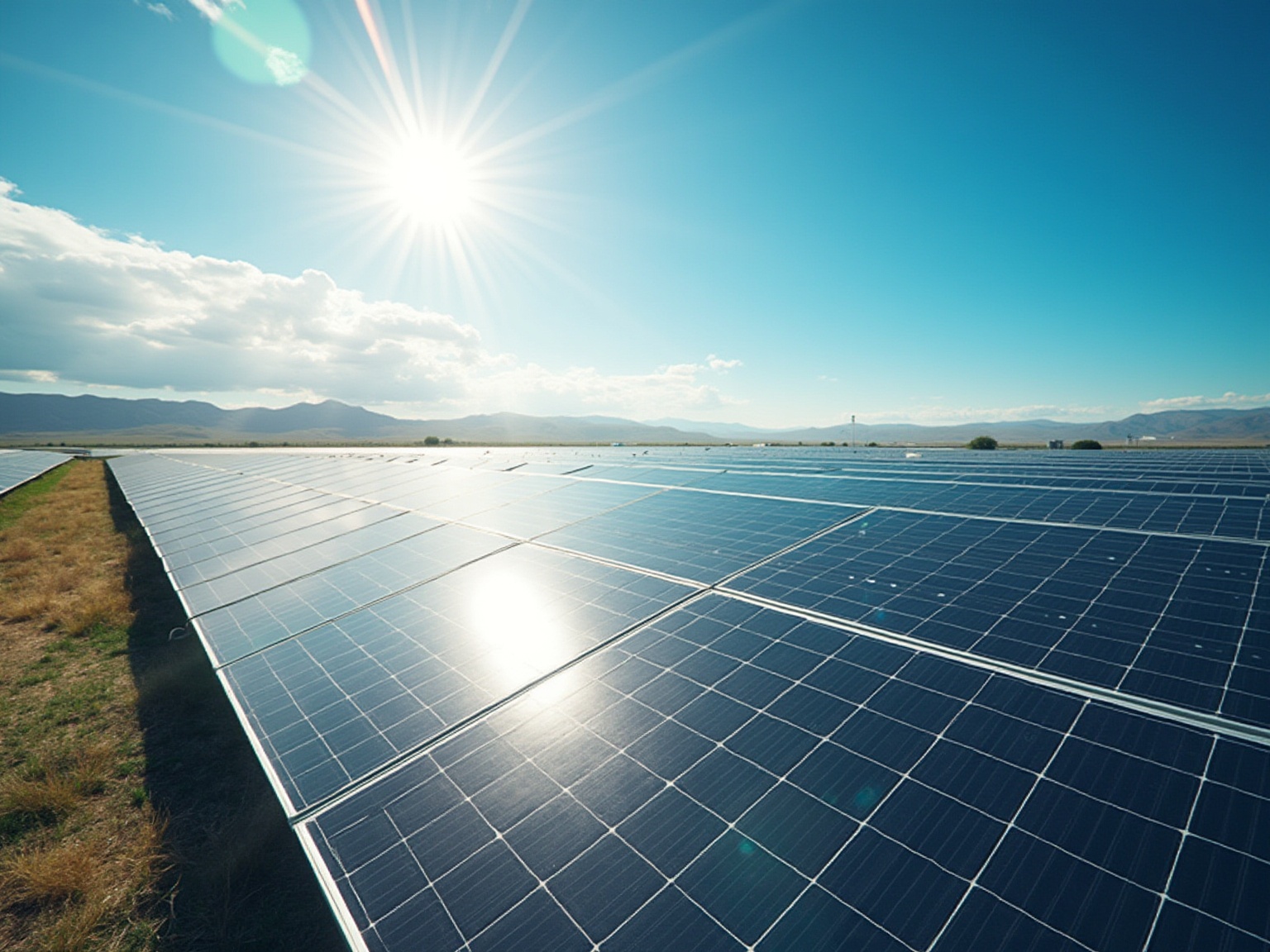
But here's the good news: technology is constantly improving. Solar panels are becoming more efficient and cheaper to produce. Battery technology is advancing rapidly. And governments around the world are offering incentives to encourage renewable energy adoption. Things are moving in the right direction!
The Future is Bright (Literally!)
So, there you have it. Sunlight is a renewable resource because its source is practically inexhaustible and using it doesn't diminish its availability. While there are challenges to overcome in terms of technology and infrastructure, the potential for solar energy to power our future is huge.
Now, if you'll excuse me, I'm going to go bask in the sun for a few minutes. Gotta recharge my batteries... metaphorically, of course. Although, maybe I should invest in a solar-powered battery charger… Hmmm…