
Why Is Portfolio Recovery Calling Me

Your phone rings. Unknown number. You answer, and a voice says, "This is Portfolio Recovery Associates..." Ugh. What now?
Why are these folks calling? And what exactly do they want? Let's unravel this mystery together.
It Starts with a Debt
Okay, here's the basic idea. Portfolio Recovery is a debt collection company. They buy debts from other companies.
Must Read
Think of it like this. A credit card company gives up on chasing someone for an unpaid bill. They sell that debt to Portfolio Recovery for pennies on the dollar.
Portfolio Recovery's goal? To collect the full amount (or as much as they can) from you.
Where Did They Get My Number?
Good question! Debt collectors are surprisingly resourceful. They use various methods to find you.
This might include credit reports, public records, or even information brokers. They're basically digital detectives.
They could also get your number from the original creditor (the credit card company, for example). It's all part of the debt-selling process.
Could It Be a Mistake?
It's possible! Mistakes happen. Maybe they have the wrong person.
Perhaps the debt isn't even yours. Identity theft is a real problem. Always double-check.
Never assume they have accurate information. Question everything!
What Kind of Debt?
Portfolio Recovery buys all sorts of debts. Credit cards are common. But they also buy debts from banks or other lenders.
Sometimes, it could even be an old medical bill or a forgotten utility bill. You might not even remember it.
They deal with pretty much any kind of unpaid debt someone is trying to offload.
They Just Bought My Debt! Now What?
So, Portfolio Recovery now owns your debt. What does this mean for you?

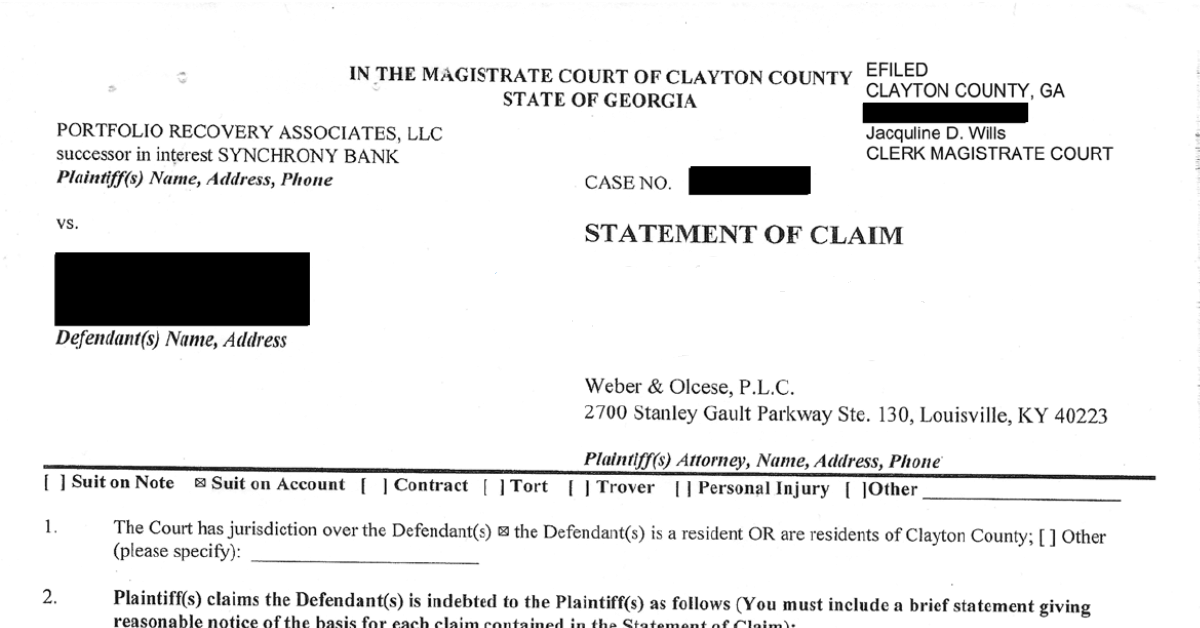
Well, they're going to try to collect it. That's their business model. Expect phone calls, letters, and maybe even legal action if you don't respond.
But don't panic! You have rights. And there are steps you can take to protect yourself.
Verify the Debt
This is super important. Before you pay anything, demand Portfolio Recovery verify the debt.
This means they need to provide proof that you owe the money. They should show you the original loan agreement, statements, and proof they own the debt.
If they can't provide this information, you might not be legally obligated to pay.
Negotiate a Settlement
Even if the debt is valid, you might be able to negotiate a settlement. Debt collectors often buy debts for very little.

This means they might be willing to accept less than the full amount to settle the debt. You could offer to pay 50% or even less.
It's always worth a try! Everything is up for negotiation.
Know Your Rights
The Fair Debt Collection Practices Act (FDCPA) protects you from abusive debt collection practices. Remember this acronym!
Debt collectors can't harass you, threaten you, or lie to you. They can't call you excessively or at unreasonable hours.
If they violate the FDCPA, you can sue them.
Don't Ignore Them!
Ignoring Portfolio Recovery won't make them go away. In fact, it could make things worse.

They might eventually sue you. A judgment against you can damage your credit and allow them to garnish your wages.
Address the situation head-on. Respond to their calls and letters. Know your rights and protect yourself.
Seek Professional Help
Dealing with debt collectors can be stressful. If you're overwhelmed, don't hesitate to seek professional help. There are resources and experts out there.
Consider talking to a credit counselor, a debt settlement company, or an attorney. They can provide guidance and support.
You don't have to face this alone.
So, the next time Portfolio Recovery calls, you'll be armed with knowledge. You'll know why they're calling, what they want, and how to protect yourself. Good luck!