Why Is Pepco Bill So High
Ever ripped open your Pepco bill, taken one look at the total, and thought, "Are they serious?!" If so, you're not alone. This shared experience of bill shock has made understanding those seemingly astronomical numbers a surprisingly popular, and definitely useful, topic of conversation. Why? Because while we can't escape needing electricity, understanding why our bill is so high can turn frustration into empowerment. No one likes feeling ripped off, and the purpose of this article is to demystify those digits, helping you see where your money goes and perhaps even spark some ideas on how to keep more of it in your wallet.
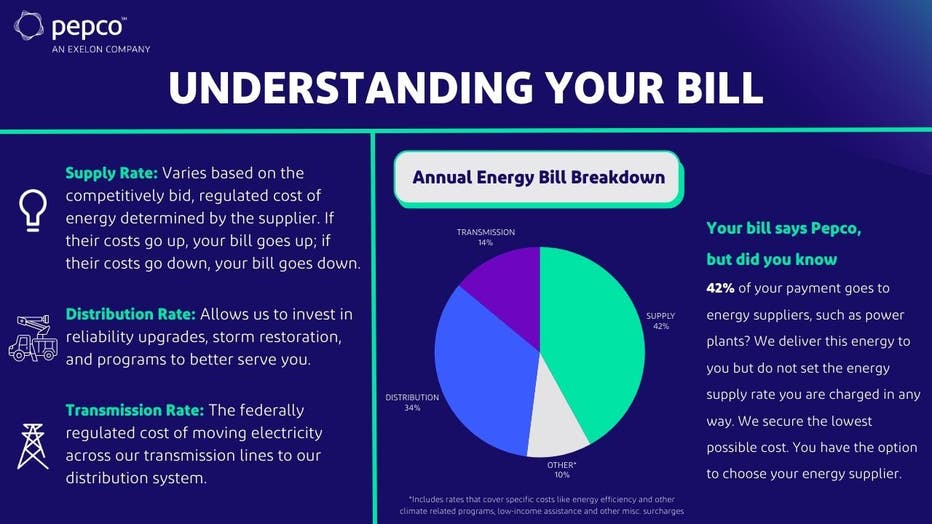
So, let's pull back the curtain on your Pepco bill. It's not just one big charge for the electricity itself. Think of it as two main components: the supply charge and the delivery charge. The supply charge is what you pay for the actual electricity you consume. Pepco doesn't generate this power; they buy it on the wholesale market from various power producers. The price they pay (and you pay) for this electricity can fluctuate based on things like fuel costs (natural gas, for instance), weather conditions driving demand (think scorching summers and freezing winters), and overall market dynamics. Just like gas prices at the pump, these can go up and down without much warning.
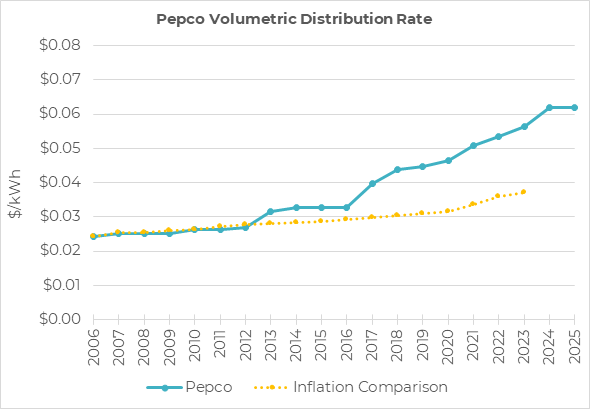
Then there's the delivery charge, which often accounts for a significant portion of your bill and is a major reason for those consistent increases. This is Pepco's regulated cost for getting that electricity from the power plant all the way to your home. It covers the massive infrastructure required: the miles of poles, wires, substations, and transformers. It also funds their operations, including essential maintenance (like trimming trees away from power lines), emergency repairs after storms, and crucial investments in upgrading and modernizing the grid. Think of new smart meters, stronger storm-resistant infrastructure, and technology to make the grid more reliable and efficient. These are necessary investments to ensure your lights stay on, but they aren't free, and the costs are passed on through the delivery rates, which are approved by state regulators.
Must Read
Beyond these core components, several other factors contribute to the "high bill" phenomenon. Your actual usage is, of course, a huge player. Running your air conditioning around the clock in July, using an electric furnace in January, or having older, inefficient appliances can quickly drive up your consumption. "Phantom load" – the power drawn by electronics even when they're off or in standby mode – also adds up over time. Furthermore, regulatory mandates for renewable energy or energy efficiency programs might add small surcharges to your bill, contributing to the overall total.
In essence, your high Pepco bill is a cocktail of market-driven electricity prices, the significant cost of maintaining and upgrading a vast electrical grid, and your own consumption habits. While you can't control global fuel prices or Pepco's infrastructure investments, understanding these elements empowers you. You can focus on what you can control: being mindful of your energy usage, investing in energy-efficient appliances, and taking steps to insulate your home better. By understanding the "why," you can start to address the "how to save."