
Why Is My Hard Wired Smoke Detector Beeping

Ah, the unmistakable sound of your hard-wired smoke detector chirping its little heart out. It’s that insistent, sporadic beep that usually starts at 2 AM, just as you’ve finally drifted into the deepest REM cycle. It’s a sound that transcends language barriers, uniting homeowners everywhere in a shared groan of annoyance. You think, "But it's hard-wired! Why on earth does it need to chirp?"
The Usual Suspects: Why Your Smoke Detector is Chirping Like a Maniac
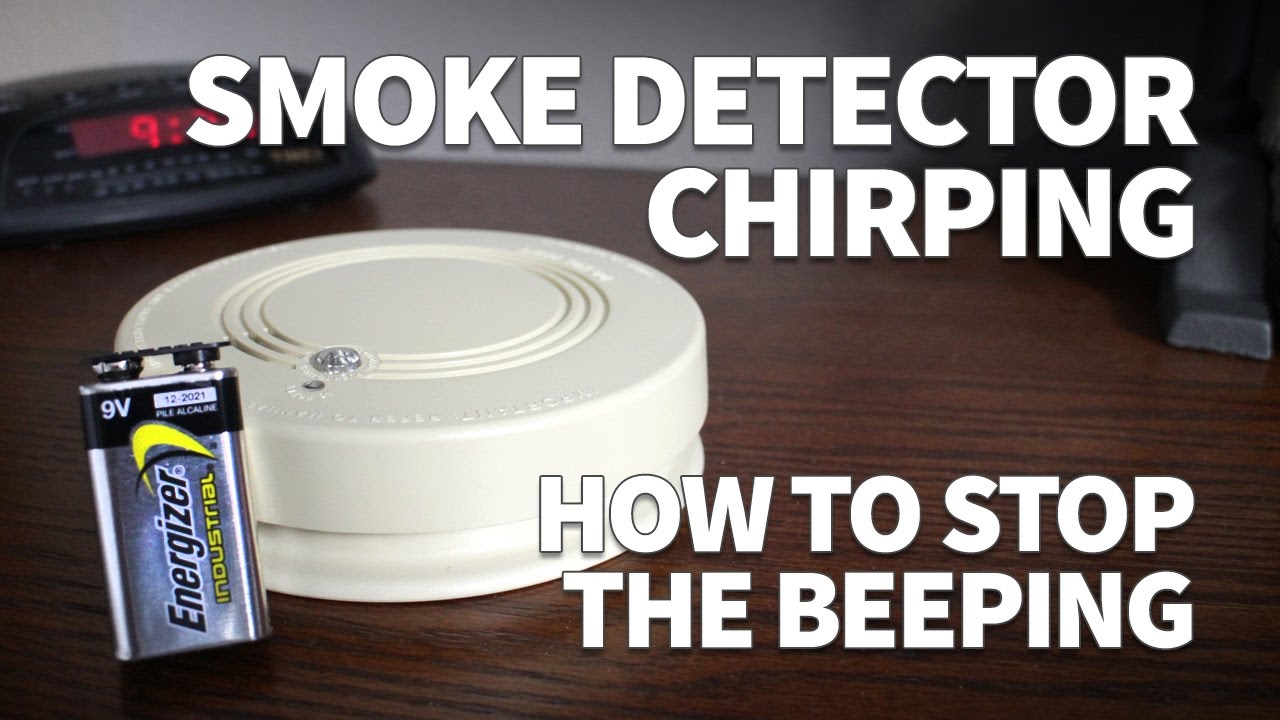
First, let's talk about the most common culprit, the one that catches almost everyone off guard: the low battery backup.
Even hard-wired units, those trusty guardians connected directly to your home's electrical system, have a secret weapon for power outages: a battery backup. When that battery starts to wane, your detector doesn't just stop working; it lets you know with a persistent, nagging chirp.
Must Read
The Fix: Grab a sturdy step stool or a small ladder (safety first, always!). Locate the battery compartment – it's usually a small door or twist-off section on the side or back. Most use a 9-volt battery or a couple of AA batteries. Swap out those old power cells for fresh ones, close it up, and listen for the sweet, sweet sound of silence. A quick press of the "test" button afterwards ensures it's happy.
Next up on our detective list: dust and tiny invaders.
Think of your smoke detector as a highly sensitive nose, constantly sniffing the air for microscopic smoke particles. Dust bunnies, cobwebs, or even a tiny spider deciding your detector is the perfect new home can trigger false alarms or cause intermittent chirping as it struggles to "see" clearly.
The Fix: A gentle blast with a can of compressed air (the kind you use for keyboards!) or a soft wipe with a microfiber cloth around the vents and sensor chamber can often clear things right up. Just be gentle – these devices are sophisticated!
Another significant reason, often overlooked, is that it's reached retirement age.

Smoke detectors aren't forever. Like us, they have a lifespan. Most manufacturers and fire safety experts recommend replacing them every 10 years. After a decade, their sensors can degrade, becoming less reliable or prone to false alarms and quirky chirps.
The Fix: Check the manufacture date on the back or side of the unit. If it's over a decade old, it's time for a new one. Consider upgrading to models with a 10-year sealed battery for even less hassle.
Sometimes, it's a simple case of a power hiccup or a minor surge.
A brief power outage, or even a slight fluctuation in your home's electricity, can confuse your detector's internal circuits, causing it to chirp erratically even after power returns. It’s like it needs a quick reset after a minor scare.
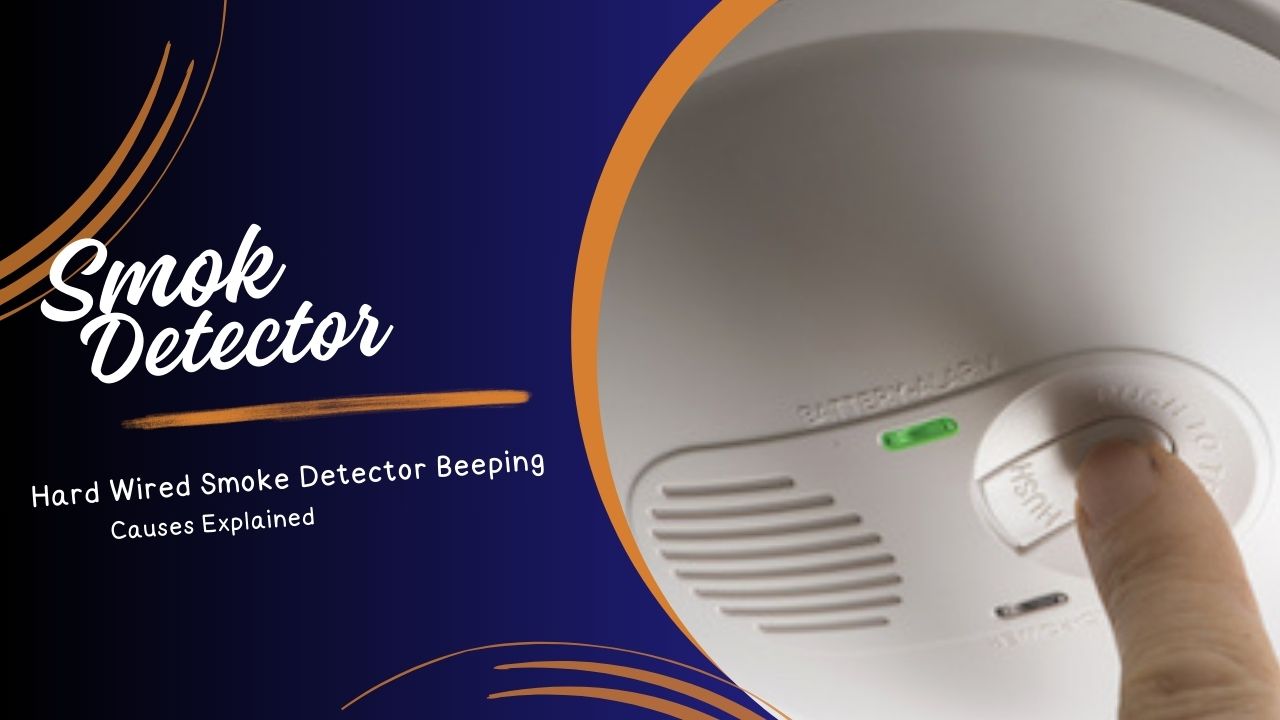
The Fix: Many detectors have a reset button (often combined with the test button). Press and hold it for 15-20 seconds. If that doesn't work, you can try flipping the corresponding circuit breaker off for 30 seconds and then back on. This "hard reset" can often clear up any electronic confusion.
And if you have multiple detectors that are interconnected (which most modern homes do), it could be an interconnected system issue.
If one detector senses trouble (or experiences a fault), they all sound the alarm. But sometimes, a single faulty unit can make the entire system chirp intermittently, turning your home into a confusing chorus of beeps.
The Fix: This can be a bit trickier. You might need to test each unit individually or check for error lights. Sometimes disconnecting power to all units, removing all batteries, waiting a minute, then re-installing batteries and re-powering can reset the whole system.
Don't forget the accidental triggers: steam from the shower, cooking fumes, or an overzealous toaster.
While usually causing a full-blown alarm rather than a chirp, constant exposure to non-smoke particles or high humidity can sometimes trigger sensor malfunctions or lead to premature failure. Placing detectors too close to bathrooms or kitchens without proper ventilation is a common oversight.
The Fix: Ensure detectors aren't placed directly above or too close to sources of steam, heavy cooking, or combustion by-products. Relocation might be necessary for chronic false alarms.
Pro Tips for a Quieter Life (and a Safer Home)
Test regularly: Make it a habit to press that "test" button monthly. It’s a quick check that everything’s working as it should.
Change batteries bi-annually: A widely recommended routine is to change all your smoke detector batteries when you adjust your clocks for Daylight Saving Time. "Spring forward, change batteries. Fall back, change batteries." Easy to remember!
Know their age: When you install a new detector, grab a permanent marker and write the installation date directly on the unit. You'll thank yourself in 10 years!
Keep 'em clean: A quick dusting with a vacuum brush attachment or a puff of compressed air every few months goes a long way in preventing those phantom chirps.
A Little Cultural Context & Fun Facts
The sound of a smoke detector's low-battery chirp is almost universally recognized as the sound of domestic annoyance, perhaps second only to a dripping faucet. It has featured in countless sitcoms and memes, a testament to its pervasive presence in modern life.
Did you know that the first commercially available smoke detector for residential use was invented in 1965? Fast forward to today, and these little guardians have become standard safety equipment, saving countless lives by providing early warning of fires.
Modern fire codes often mandate interconnected smoke detectors in homes, meaning if one goes off, they all go off. This crucial feature dramatically increases the chances of everyone getting out safely, especially in larger homes or at night.
Beyond the Beep: A Moment of Reflection
While that persistent chirp can be incredibly irritating – seriously, who designed the timing for these things?! – it's actually a little reminder of something deeply important: our safety and the peace of mind that comes with it.
It’s a chance to pause, take five minutes out of our busy lives, and ensure our silent guardians are in top working order. Think of it as your home whispering, "Hey, just checking in! Let's make sure we're all good here."
A functional smoke detector isn't just a regulatory requirement; it's a tiny, powerful sentinel against the unexpected, a silent hero watching over your most precious people and possessions.
So, next time that beep starts, don't just groan. See it as an invitation to a quick, easy act of self-care for your home and everyone in it. A few minutes of effort can buy you years of safe, quiet living. Now go enjoy that blessed silence!