
Why Is My Gum Purple Around Tooth
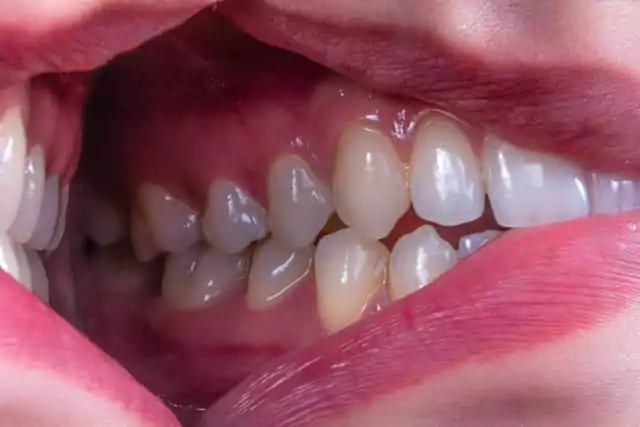
Uh Oh, Is Your Gum Rocking a Purple Haze? Let's Investigate!
Okay, so you glanced in the mirror and BAM! Your gum looks like it's been hitting the grape juice a little too hard. Purple gums? It's definitely a head-turner, and probably not in the good way. Let's see what might be happening down there.
First Things First: Injury Inspection
Did you recently go a little too hard with the floss? Or maybe you had a run-in with a particularly aggressive toothbrush? Trauma is a common culprit. Consider if you had dental work lately.
Bruising can definitely happen in your mouth, just like anywhere else. It's not usually a cause for major panic, but it's good to keep an eye on it. So, ask yourself, where have I been bumping around lately?
Must Read
Medication Mayhem
Believe it or not, some medications can mess with your gums. This is especially true for certain antibiotics or even some treatments for things like acne. Always read the leaflet that comes with your medication.
Some meds can cause discoloration, and that includes turning your gums a bit purple-ish. If you've started a new medication, it's definitely worth mentioning to your doctor. They can quickly look into whether it is related.
Amalgam Tattoo: The Mystery Mark
Ever had a filling? Sometimes tiny particles of the filling material, usually amalgam, can get embedded in the gum tissue. And while it's there, it changes the look of the gums.

Over time, this can create a bluish-purple discoloration, almost like a little tattoo. It's generally harmless, but it's always good to have your dentist take a peek. So, consider amalgam tattoos, and their prevalence in old dental work.
Time for a Check-Up? When Purple Needs a Pro
While a little gum discoloration might be no biggie, there are times when it's best to call in the professionals. When in doubt, it's always better to be safe than sorry!
If the purple patch doesn't go away after a week or two, or if it's accompanied by pain, swelling, or bleeding, schedule an appointment with your dentist ASAP. They can rule out anything serious, like a more intense infection.
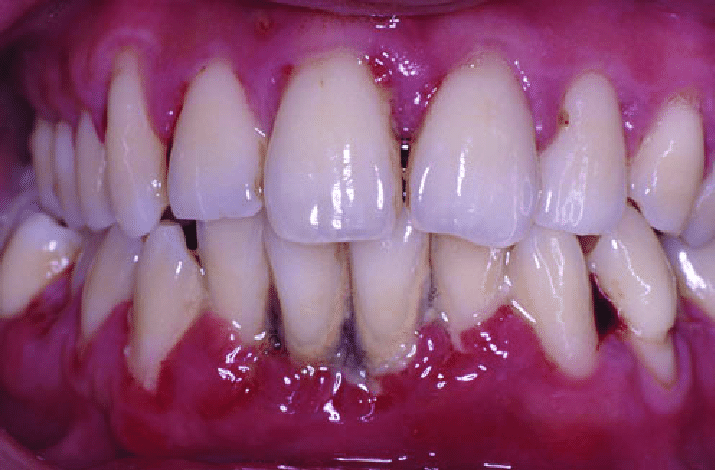
Periodontal Problems: A Possible Culprit
Periodontal disease, also known as gum disease, can cause all sorts of changes in your gums, including discoloration. It’s an infection of the gums and bone that hold your teeth in place. Untreated, you can run into some serious problems!
Inflammation and changes in blood flow can sometimes lead to a purplish hue. Periodontal disease often results in swelling, tenderness, bleeding, and sometimes even receding gums. Look for these extra conditions when examining your gums.
Rare Conditions: Let's Not Panic (Yet!)
Okay, deep breath. In rare cases, purple gums could be a sign of something more serious, like a blood disorder or even certain types of cancer. Please remember, this is rare.

Don't go spiraling down a Google rabbit hole! The chances of it being something serious are slim. But it's still important to get checked out by a professional to rule out any underlying health issues. So, stay calm, and seek expert opinion.
Smoking's Shadow: Another Possible Cause
Smoking does a number on your gums. Not only does it increase your risk of gum disease, but it can also cause changes in gum color. The change will not only be discoloration, but also receding gums.
Smoking restricts blood flow, which can give your gums a grayish or purplish appearance. Yet another reason to kick the habit! In addition to the color change, gums can become more sensitive and prone to bleeding.
The Takeaway: Don't Ignore the Unusual
Purple gums are a signal that something's up. It might be something simple, like a bruise, or it could be a sign of something that needs professional attention. So, be aware, and be mindful.
Keep an eye on it, practice good oral hygiene (brushing and flossing!), and don't hesitate to reach out to your dentist if you're concerned. You've only got one set of teeth and gums, so treat them like royalty!
Remember: This article is for informational purposes only and should not be considered medical advice. Always consult with a qualified healthcare professional for any health concerns or before making any decisions related to your health or treatment.
In conclusion, examine yourself, and when in doubt, visit your dentist for professional advice, early prevention and treatments!