Why Is My Fire Alarm Beeping 3 Times

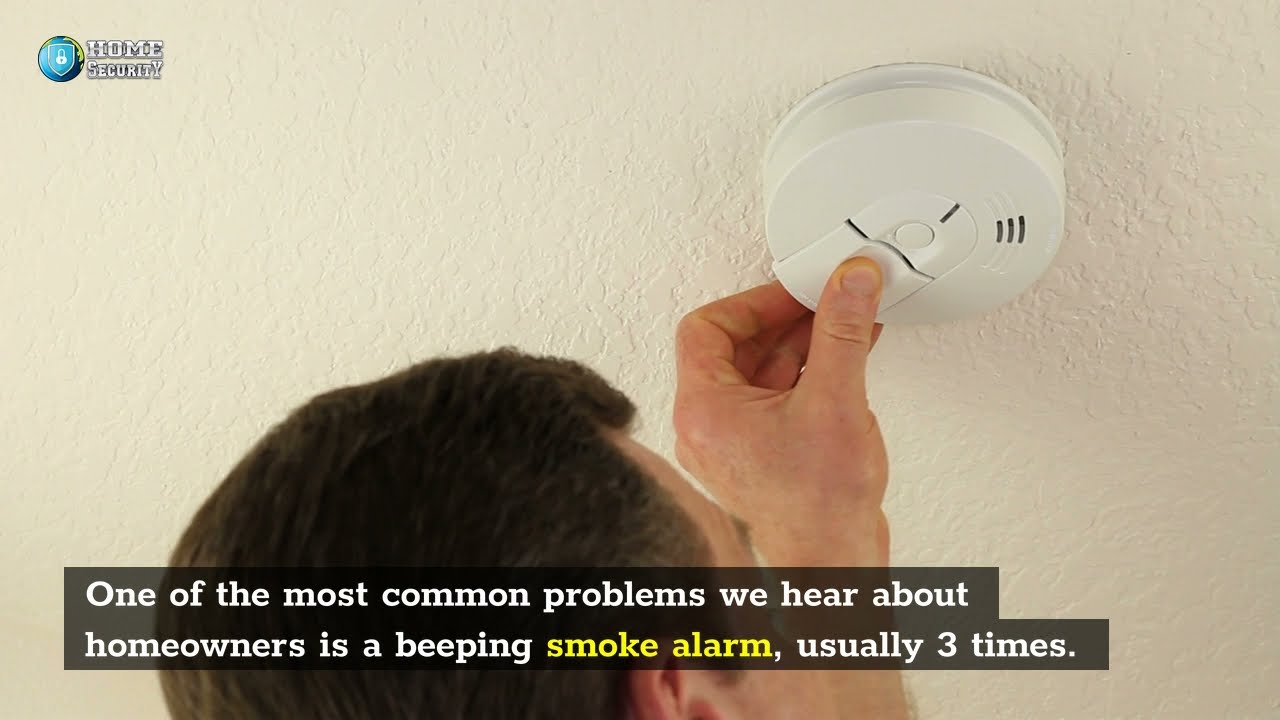
Ever been jolted awake by that sudden, incessant chirping from your smoke alarm, only for it to fall silent before you can even locate the culprit? Or perhaps you’ve heard a different, more rhythmic pattern that leaves you scratching your head, wondering what unseen crisis is brewing. If your fire alarm is beeping three times in a distinct sequence, followed by a pause, and then three more beeps, you've stumbled upon a crucial piece of household knowledge that isn't just interesting trivia—it's a potential lifesaver. Let's unravel this acoustic mystery and empower you with understanding that could literally clear the air!
Most of us are familiar with the piercing, continuous shriek of a smoke alarm detecting fire, or the lonely, periodic single chirp that signals a low battery. But that specific, repetitive pattern of three loud beeps is a very different alarm. In nearly all modern combination smoke and carbon monoxide (CO) detectors, this unique sequence is the universal signal for a carbon monoxide emergency. Yes, your vigilant little device isn't just looking for smoke anymore; it's also sniffing out an invisible, odorless, and utterly deadly gas that could be silently infiltrating your home.
Carbon monoxide, often dubbed the "silent killer," is a gas produced when fuels like gas, oil, kerosene, wood, or charcoal burn incompletely. Common sources include malfunctioning furnaces, water heaters, stoves, fireplaces, and even cars left running in an attached garage. Because you can't see, smell, or taste CO, it can build up to dangerous levels without any obvious signs. When inhaled, it prevents your blood from carrying oxygen, leading to symptoms like headaches, dizziness, nausea, confusion, and eventually unconsciousness or worse. That's why your alarm’s three-beep warning is so critical—it’s your home’s way of screaming, "Danger, invisible gas detected!"
Must Read
So, what’s your immediate game plan when you hear those urgent three beeps? Do not ignore it! Your priority is safety. First, calmly but quickly ensure everyone, including pets, evacuates the house and gets into fresh air immediately. Do not attempt to find the source yourself. Once everyone is safely outside, call your local fire department or emergency services. They are equipped with specialized tools to safely test the CO levels in your home, identify the source of the leak, and advise on the next steps. It's always better to be safe than sorry, even if it turns out to be a false alarm – which is rare for CO detectors.
Understanding this specific alarm pattern provides immense benefits. It empowers you to react appropriately and quickly, potentially preventing serious health consequences for your entire household. Furthermore, it underscores the importance of having working combination smoke/CO detectors installed in your home, particularly on every level and near sleeping areas. Remember to test them monthly, replace batteries annually (unless they have a 10-year sealed battery), and replace the entire unit according to the manufacturer's recommendations (typically every 7-10 years). Knowing what "three beeps" means turns a moment of confusion into an opportunity for swift, life-saving action, ensuring your home remains a safe haven against unseen threats. Stay alert, stay informed, and stay safe!