
Why Is My Ac Not Cooling To The Set Temperature
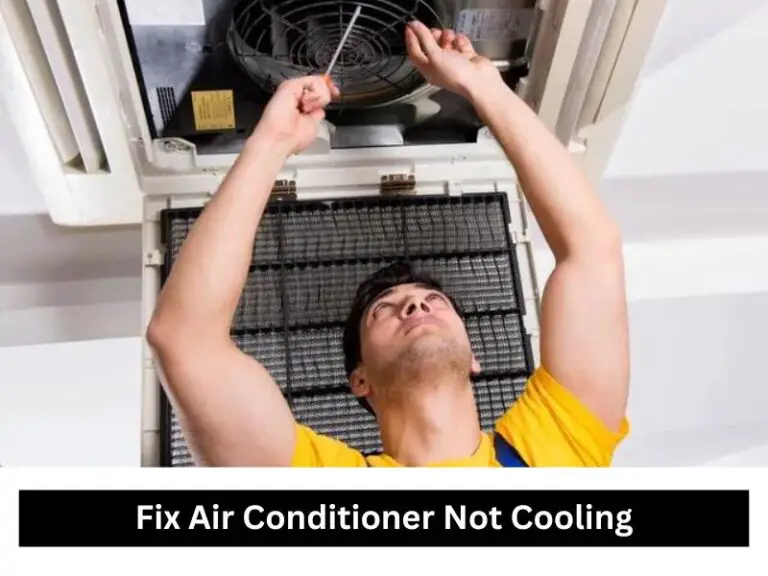
Okay, so picture this: I'm sprawled on the couch, remote in hand, ready for a serious Netflix binge. The thermostat? Set to a crisp 72 degrees. Bliss, right? Wrong. An hour later, I'm still sweating like I'm in a sauna. The thermostat mocks me. The AC unit outside is humming away like a busy little bee, but the air coming out of the vents feels...lukewarm. Sound familiar?
Yeah, that's the dreaded "My AC Isn't Cooling to the Set Temperature" scenario. It's a summer bummer of epic proportions. But fear not, fellow sufferers! Before you resign yourself to a sweaty fate, let's troubleshoot. There are a few likely culprits behind this common, and frankly, infuriating problem.
Dirty Air Filter: The Sneaky Saboteur
Let's start with the easiest fix: the air filter. Seriously, check it. I cannot stress this enough. A clogged air filter restricts airflow, making your AC unit work harder (and less efficiently). Think of it like trying to run a marathon while breathing through a straw. Not fun, right?
Must Read
A dirty filter can cause your AC to freeze up, overheat, and generally be a grumpy appliance. Aim to replace your filter every 1-3 months, depending on how much you use your AC and whether you have pets (pet hair is an air filter's worst enemy!).
Pro tip: Hold your filter up to the light. If you can barely see through it, it's time for a change.
Blocked Outdoor Unit: Give It Some Space!
Your outdoor AC unit needs to breathe, too! Is it surrounded by overgrown bushes, piles of leaves, or that random assortment of garden gnomes you swear you'll put away "next week"?
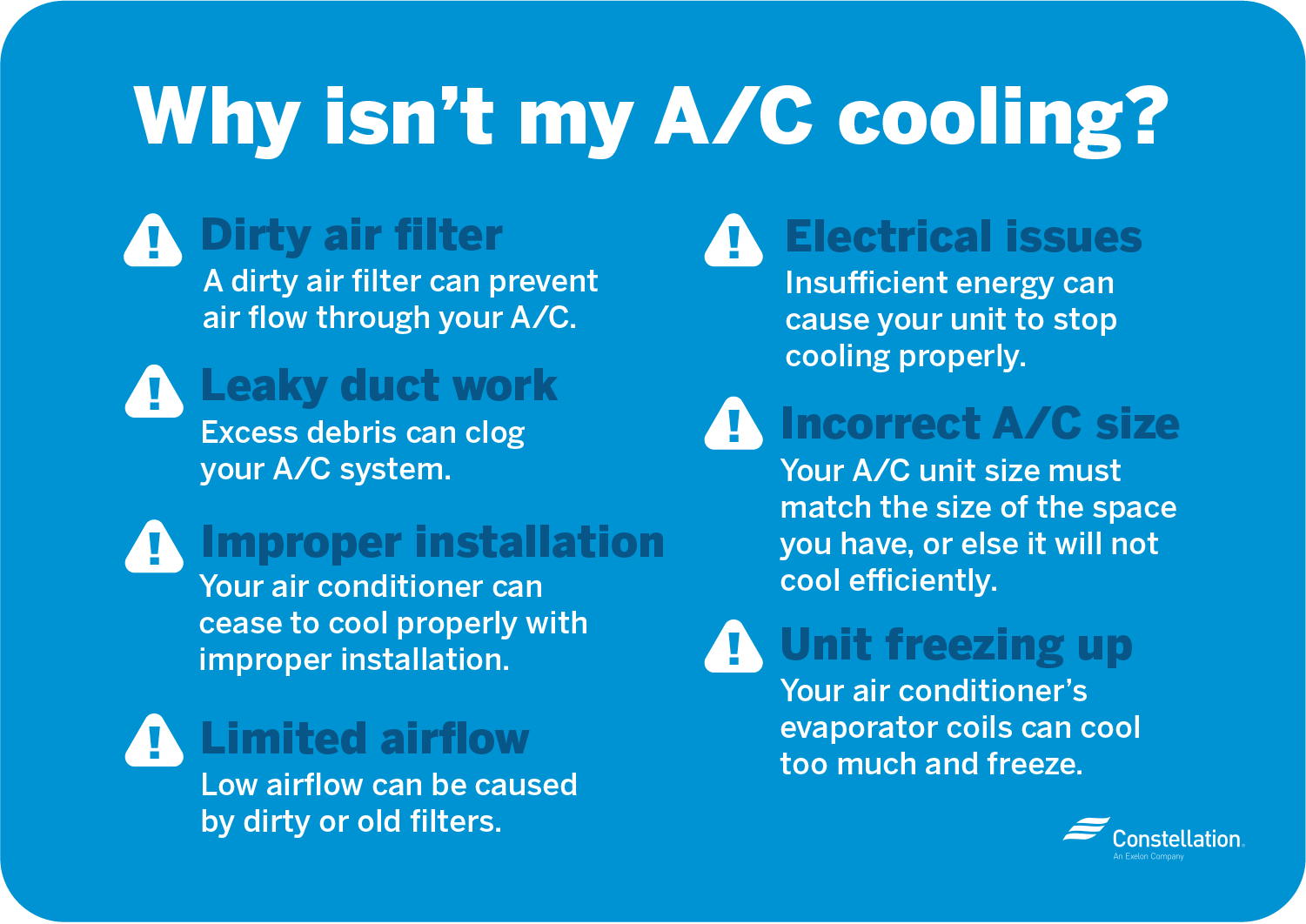
Clear away any debris within a couple of feet of the unit. Overgrown vegetation can restrict airflow, causing the unit to overheat and struggle to cool effectively. Think of it as giving your AC a little personal space.
(And maybe finally put those gnomes away? Just a suggestion.)
Refrigerant Leak: The Silent Assassin
Okay, this one's a bit more serious. Refrigerant is the stuff that actually cools the air. If you have a leak, your AC won't be able to do its job properly. Signs of a refrigerant leak include:

- Weak airflow from the vents
- Ice buildup on the refrigerant lines
- A hissing or bubbling sound near the unit
If you suspect a refrigerant leak, don't try to fix it yourself! Refrigerant is a hazardous substance, and you'll need a qualified HVAC technician to diagnose and repair the leak. Seriously, leave this one to the pros.
Dirty Coils: Grime Fighters Needed
Your AC unit has two sets of coils: the evaporator coils (inside) and the condenser coils (outside). These coils can get covered in dust and grime over time, which reduces their ability to transfer heat. This is like trying to cool something with a dirty radiator – it just won’t work as well!
You can try cleaning the condenser coils yourself with a garden hose (gently!), but the evaporator coils are more delicate and require a specialized cleaner. If you’re not comfortable doing this, call an HVAC technician. They have the tools and expertise to clean the coils safely and effectively.

Side note: Maybe consider an annual AC tune-up? It's like a checkup for your car, but for your AC. They'll clean the coils, check the refrigerant levels, and make sure everything is running smoothly.
Ductwork Issues: Leaks and Blockages
Your ductwork is the network of tubes that carries cooled air throughout your home. If your ducts are leaking, that cool air is escaping before it even reaches your vents! Imagine pouring water into a leaky bucket – you're losing a lot of it before it even gets where it needs to go.
Check for visible leaks around duct connections. You can also use duct tape to seal any small leaks you find. For more serious ductwork problems, it’s best to call a professional. They can use specialized equipment to find and seal leaks you might not be able to see.
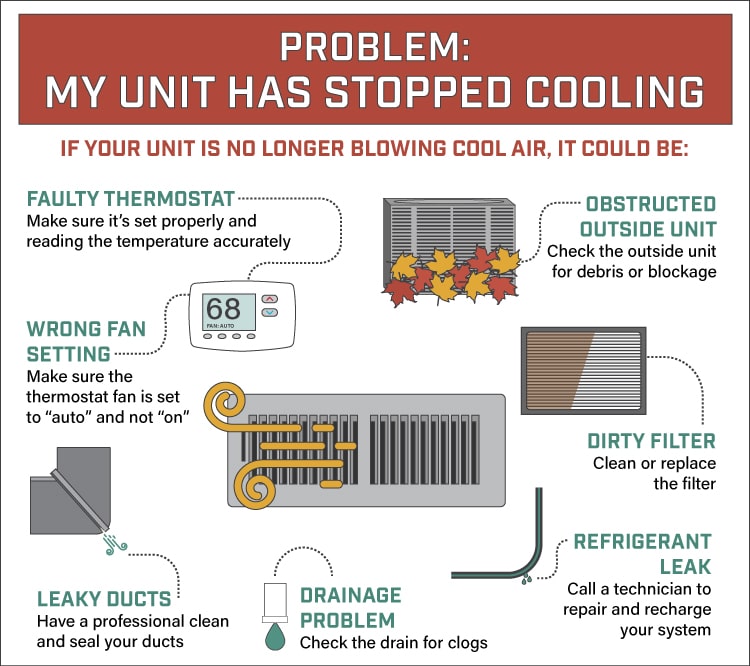
Another potential ductwork problem is blockages. Sometimes, debris can accumulate inside the ducts, restricting airflow. A professional duct cleaning can help remove these blockages and improve your AC's efficiency.
The Thermostat: Is It Lying To You?
Sometimes, the problem isn’t with the AC unit itself, but with the thermostat. Is it properly calibrated? Is it located in a spot that gets direct sunlight or is near a heat source? These things can throw off its readings and cause it to tell your AC to work harder (or not at all).
Try moving the thermostat to a more central location, away from direct sunlight and heat sources. You can also try resetting the thermostat to its factory settings. If that doesn't work, you might need to replace it.
So, there you have it! A few possible reasons why your AC isn't cooling to the set temperature. Hopefully, one of these tips will help you solve the problem and get back to enjoying a cool, comfortable home. If all else fails, don't hesitate to call a qualified HVAC technician. They're the experts, after all. And remember, staying cool is crucial for Netflix binges! Stay cool!