Why Is Haulover Inlet So Dangerous
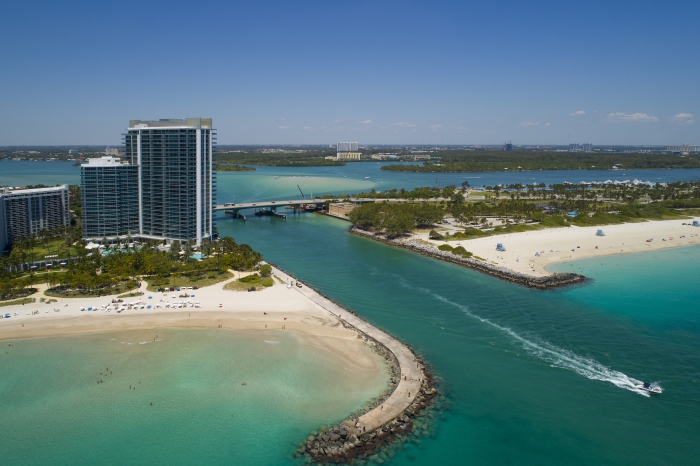
Okay, let's talk Haulover Inlet. You might have seen videos online – boats launching skyward, defying gravity (and maybe common sense!), often accompanied by a collective gasp from onlookers. It's a little terrifying, a little exhilarating, and undeniably captivating. Why are we drawn to these scenes of nautical near-disaster? Because Haulover Inlet in Miami, Florida, is notorious, famous even, for its unpredictable and often dangerous conditions. Understanding why it's so risky can actually be pretty useful, whether you're a seasoned boater or just someone who enjoys watching from the shore.
So, who benefits from knowing more about Haulover? For beginners, it's crucial to understand that not all waterways are created equal. Haulover is an extreme example, a cautionary tale about the power of nature and the importance of respecting its forces. Families planning a boat trip near Miami need to be aware of Haulover's reputation and steer clear unless they have significant experience navigating challenging inlets. Even hobbyists and experienced boaters can learn from studying Haulover. It's a masterclass in understanding tides, currents, and boat handling under pressure. Thinking about upgrading to a bigger boat? Haulover footage might make you reconsider until you've honed your skills.
What makes Haulover so different? It’s all about the combination of factors. First, it's an inlet connecting the Atlantic Ocean to Biscayne Bay, meaning strong tidal currents. Twice a day, the tide surges in and out, creating powerful flows. Add to that the fact that Haulover is relatively narrow and shallow in places. Strong winds can further complicate things, creating steep, closely spaced waves known as "standing waves." These waves are what you see in those dramatic videos - they can literally launch a boat into the air. Imagine a car hitting a speed bump at 60 mph – that's kind of what it's like, but on water! Plus, on busy weekends, the sheer volume of boats trying to navigate the inlet can create a chaotic, unpredictable environment. You've got everything from small fishing boats to large yachts, all vying for space in a relatively confined area.
Must Read
There are variations, too. The intensity of the waves depends on the tide stage, wind direction, and weather conditions. A calm day with a low tide might be relatively manageable, while a windy day during a king tide (an especially high tide) can be incredibly treacherous. There are even stories about people being thrown from boats. Inlets all around the world can be dangerous but few become such a tourist attraction.
Want to see it for yourself (safely, of course)? Here are some simple, practical tips: Never attempt to navigate Haulover Inlet if you're inexperienced. Watch from the shore at Haulover Park – it's a popular spot for observing the action. Pay attention to the weather forecast and tide charts. If you see small craft advisories, stay away. If you are experienced and planning on going through Haulover, go at slack tide (when the current is weakest), go with someone who knows the inlet, and make sure your boat is properly equipped and seaworthy. Also, wear a life jacket!
Ultimately, understanding the dangers of Haulover Inlet isn't just about avoiding accidents; it's about appreciating the raw power of the ocean and the skills required to navigate it safely. It is a reminder that even in seemingly calm waters, respect for nature is paramount. So, watch the videos, learn from others' experiences, and maybe even visit the park to witness the spectacle firsthand. Just remember to keep a safe distance and respect the power of Haulover. The ocean's display of force is fascinating, but staying safe and dry is definitely more fun!